

Pest Library
Palmetto Bug Control in South Florida
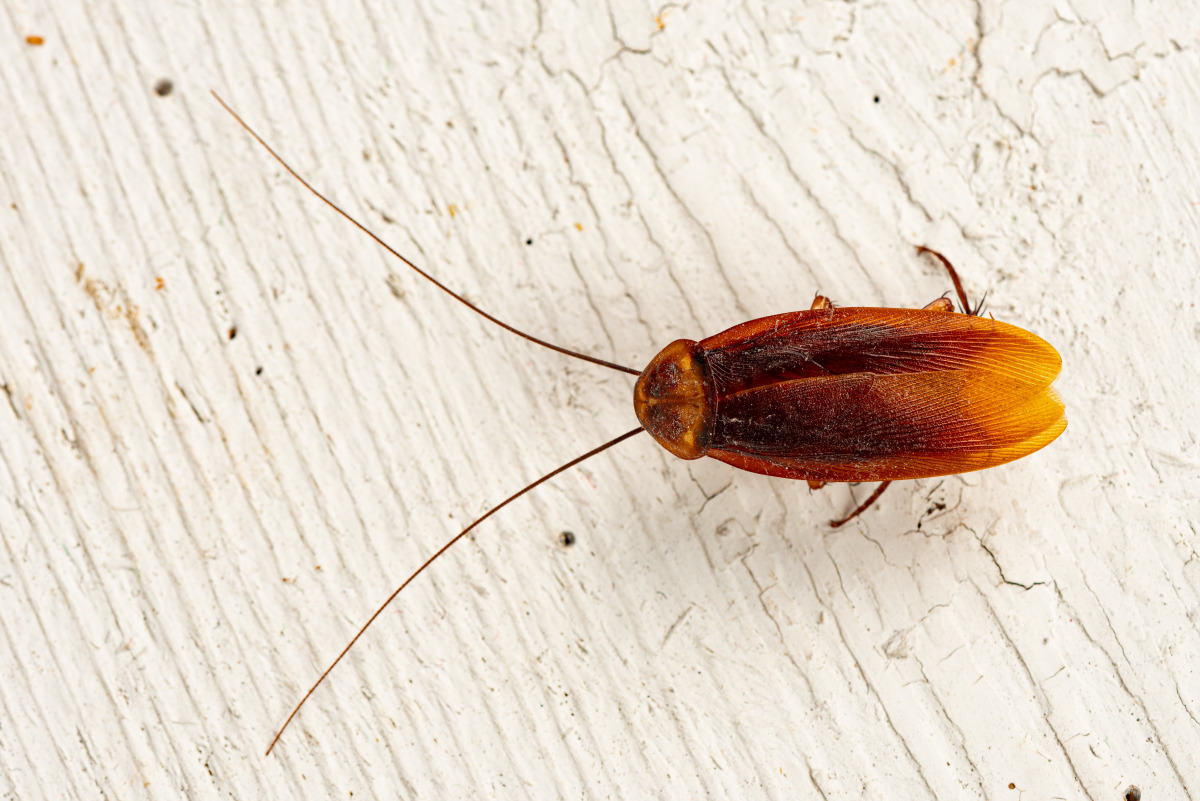
Palmetto Bug Quick Facts
Size
About 1 3/8 to 2 1/8 inches long as an adult
Color
Reddish-brown with a pale yellow or tan border behind the head
How to Identify
Large, flattened body, very long antennae, and full-length wings; professional identification may be needed because several Florida cockroaches are called palmetto bugs
Active Season
Active year-round in South Florida, with activity often increasing during warm, humid, rainy weather
Indoor or Outdoor
Found both outdoors and indoors, especially around sewers, drains, utility areas, kitchens, bathrooms, and other warm, damp spaces
Day or Night
Mostly active at night and quick to hide when lights come on or the area is disturbed
Diet
Feeds on decaying organic matter, food residue, grease, crumbs, pet food, garbage, and many other available materials
About Palmetto Bugs
Why DIY Palmetto Bug Control Can Fall Short
Do-it-yourself steps may reduce occasional sightings, but recurring palmetto bug activity can be difficult to solve without identifying the species, locating hidden harborages, and correcting the conditions that support entry and survival. Professional service is especially practical when cockroaches appear repeatedly, are seen during the day, include nymphs, or are active around food, drains, or commercial work areas.

Lower-Impact Options
When appropriate, Pest Busterzz may prioritize monitoring, precise bait placement, crack-and-crevice work, exclusion, sanitation guidance, and moisture or harborage reduction to limit unnecessary product use.
The Pest Busterzz Palmetto Bug Treatment Approach
Pest Busterzz builds each palmetto bug treatment plan around proper identification, inspection findings, activity level, and the conditions present at the property.
Inspection
We identify the cockroach species, evaluate where activity is concentrated, and inspect drains, plumbing routes, kitchens, bathrooms, utility areas, exterior openings, landscaping, sewer-adjacent areas, and other likely harborages.
Targeted Treatment
Based on the inspection, treatment may include precise bait placement, crack-and-crevice or void applications, localized treatment, exterior management, drain or harborage attention, and exclusion recommendations. The methods used depend on the species and where activity is occurring.
Monitoring & Follow-Up
We evaluate changes in activity, review monitoring results, adjust placements when needed, and investigate newly discovered entry routes or harborages. The timing and need for follow-up depend on the conditions found.
Prevention
Recommendations may include repairing leaks, improving drain and sanitation practices, sealing gaps, replacing damaged door sweeps, reducing clutter and cardboard, storing food securely, managing trash, and keeping mulch or debris away from the building.
faqs
Palmetto Bug FAQs
Back to Pest Library