

Pest Library
Phorid Fly
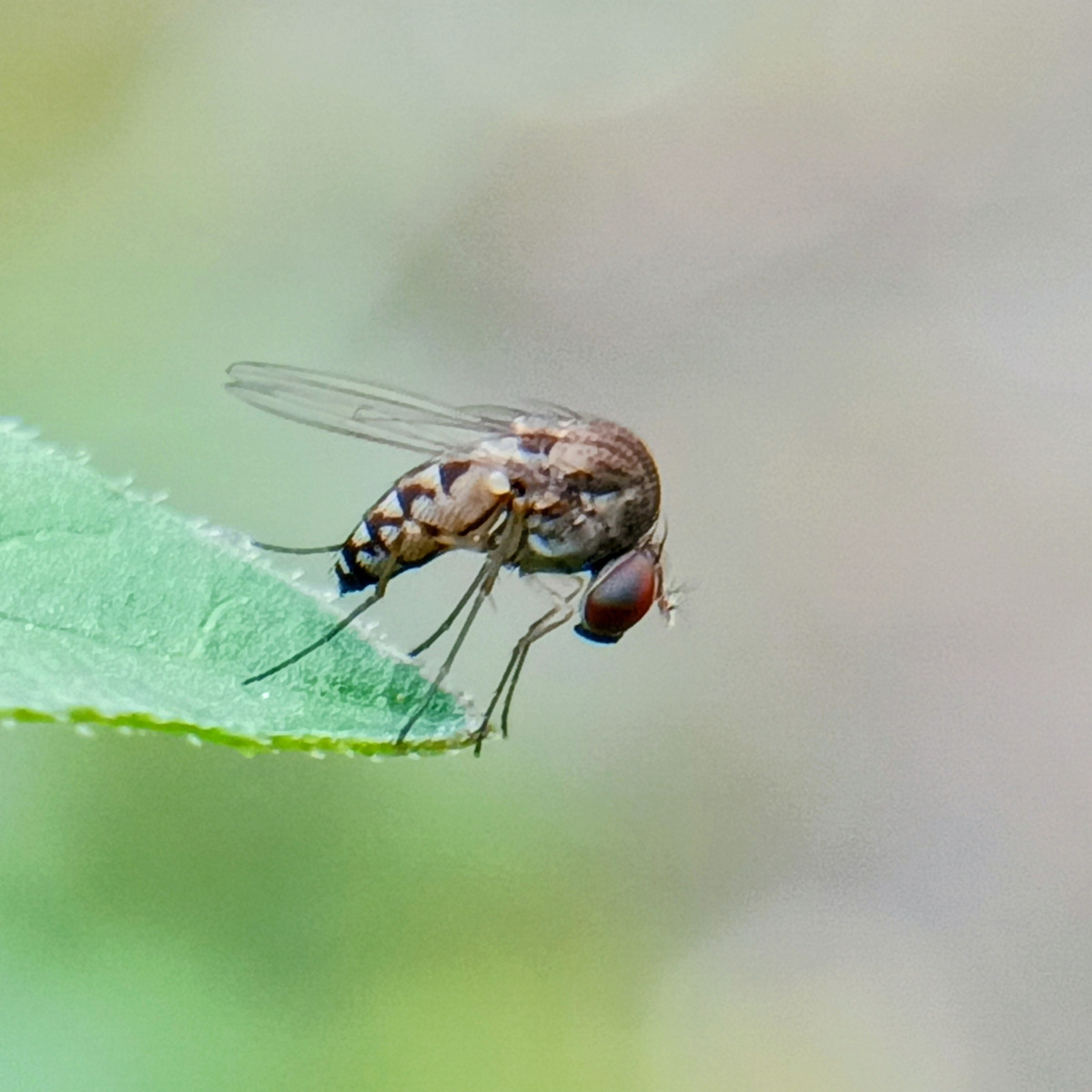
Phorid Fly Quick Facts
Size
Approximately 1/16 to 1/8 inch long
Color
Dull black, tan, or yellowish-brown
How to Identify
Distinctive humpbacked profile and a habit of running erratically across surfaces rather than flying immediately when disturbed
Active Season
Active year-round in South Florida, with population surges during hot, humid, and rainy weather
Indoor or Outdoor
Found both indoors and outdoors near moist organic accumulation, floor drains, and sewer pipes
Day or Night
Active at varying times throughout the day and night, particularly in dark, warm, and humid zones.
Diet
Decaying organic matter, sewage sludge, decomposing vegetation, compost, animal waste, and fungal growth.
About Phorid Flies
Phorid Flies vs. Drain Flies and Fruit Flies: How to Spot the Difference
Because several small fly species invade South Florida properties, identifying the correct pest is key to solving the problem. Phorid flies are frequently confused with fruit flies and drain flies, but subtle physical and behavioral details set them apart:
- Phorid Flies: Feature a distinct humpbacked shape, dark eyes, and a habit of running in quick, erratic bursts across surfaces rather than flying away right away.
- Fruit Flies: Typically have bright red or dark eyes, a rounder body, and hover directly around ripe fruit, onions, and open trash containers.
- Drain Flies: Have a fuzzy, moth-like appearance with broad, heart-shaped wings covered in tiny hairs, moving slowly near sinks and shower drains.
Knowing which fly is present matters because each targets different resources. While fruit flies focus on accessible produce and drain flies concentrate on gelatinous coat buildup in sink traps, phorid flies often indicate deeper, hidden organic accumulation or underlying plumbing leaks.
Why DIY Phorid Fly Control Fails
Attempting to resolve a phorid fly problem with over-the-counter sprays, fly traps, or basic drain cleaners often yields disappointing results. Professional management becomes necessary when flies reemerge daily, breeding occurs in hidden areas, or plumbing defects are involved.

Lower-Impact Options
When appropriate, we utilize bio-cleansing microbial foams, precise drain management, structural exclusion, and environmental adjustments to reduce unnecessary product applications.
The Pest Busterzz Phorid Fly Treatment Approach
Pest Busterzz focuses on discovering the origin of phorid fly breeding, treating active populations, and addressing environmental conditions so activity does not return.
Inspection
We evaluate indoor and outdoor high-risk zones, inspecting floor drains, plumbing lines, grease traps, under-appliance drip pans, and damp structural areas to pinpoint the exact breeding site.
Targeted Treatment
Treatment is matched to inspection findings and may include specialized microbial foam treatments to dissolve drain organic matter, targeted harborage applications, void treatments, and mechanical monitoring.
Monitoring & Follow-Up
We evaluate progress through ongoing monitoring, check fly reduction rates, and adjust strategies if underlying structural or moisture conditions reveal new activity.
Prevention
Our practical guidance includes maintaining proper drain sanitation, fixing plumbing leaks, improving sub-slab drainage, sealing structural cracks, and managing trash collection areas.
faqs