

Pest Library
Raccoon Control in South Florida
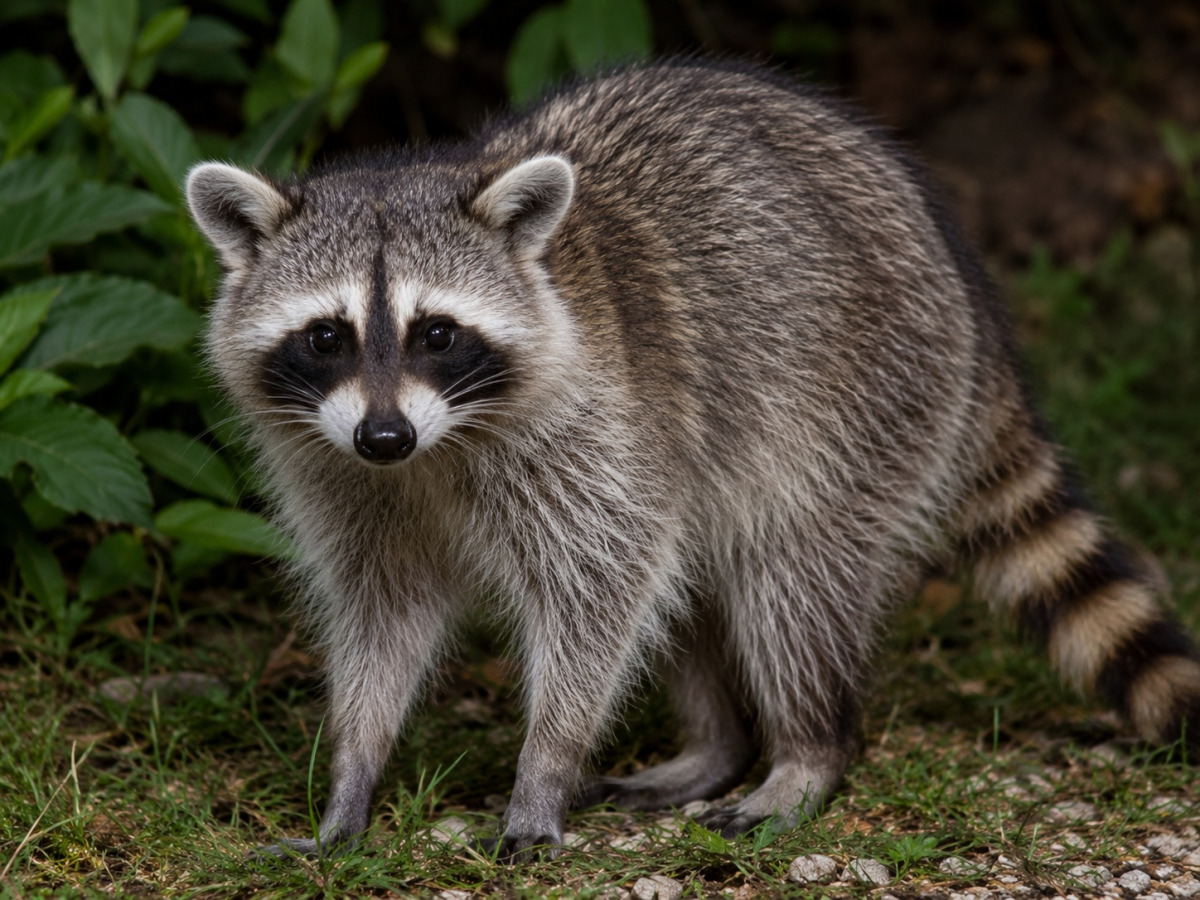
Raccoon Quick Facts
Size
Adults are commonly 24–38 inches long, including a 7–16 inch tail, and often weigh 10–30 pounds.
Color
Grayish-brown fur with a black facial mask, pale muzzle, and a ringed tail.
How to Identify
Stocky body, pointed muzzle, black “mask” across the eyes, dexterous front paws, and a bushy striped tail.
Active Season
Active year-round in South Florida, with activity often becoming more noticeable when food, water, or shelter is easy to access.
Indoor or Outdoor
Primarily outdoors, but they may den in attics, crawl spaces, chimneys, sheds, garages, or other sheltered areas.
Day or Night
Mostly active at night, although hungry, disturbed, or habituated raccoons may also appear during daylight.
Diet
Omnivorous; they eat insects, fruit, eggs, small animals, pet food, garbage, garden produce, and other accessible foods.
About Raccoons
How DIY Raccoon Control Falls Short
Raccoon activity can be difficult to resolve because the animal may be using an inaccessible den, returning from nearby habitat, or caring for young. Professional service is especially appropriate when noises come from an attic or chimney, droppings are accumulating, roofing or vents are damaged, or an animal behaves unusually.

Lower-Impact Options
When appropriate, Pest Busterzz may prioritize inspection, humane trapping or removal methods, exclusion, sanitation guidance, and habitat modification to reduce unnecessary product use and discourage repeat activity.
The Pest Busterzz Raccoon Treatment Approach
Pest Busterzz focuses on identifying how raccoons are using the property, resolving active wildlife concerns, and reducing the conditions that may allow them to return.
Inspection
We inspect for tracks, droppings, denning areas, roof or soffit damage, chimney access, travel routes, food sources, and signs that young may be present.
Targeted Treatment
Based on the inspection, the plan may include trapping or removal, one-way exclusion where appropriate, securing access points, sanitation recommendations, and habitat changes. The exact approach depends on the animal’s location, property conditions, and applicable wildlife requirements.
Monitoring & Follow-Up
We monitor signs of activity, evaluate whether raccoons are still using the site, adjust the plan when needed, and address additional entry points or attractants discovered during follow-up.
Prevention
Recommendations may include securing trash and pet food, trimming roof access routes, repairing vents and soffits, installing chimney protection, cleaning attractants, and sealing confirmed entry points after animals have been removed.
faqs