

Pest Library
Rover Ant Control in South Florida
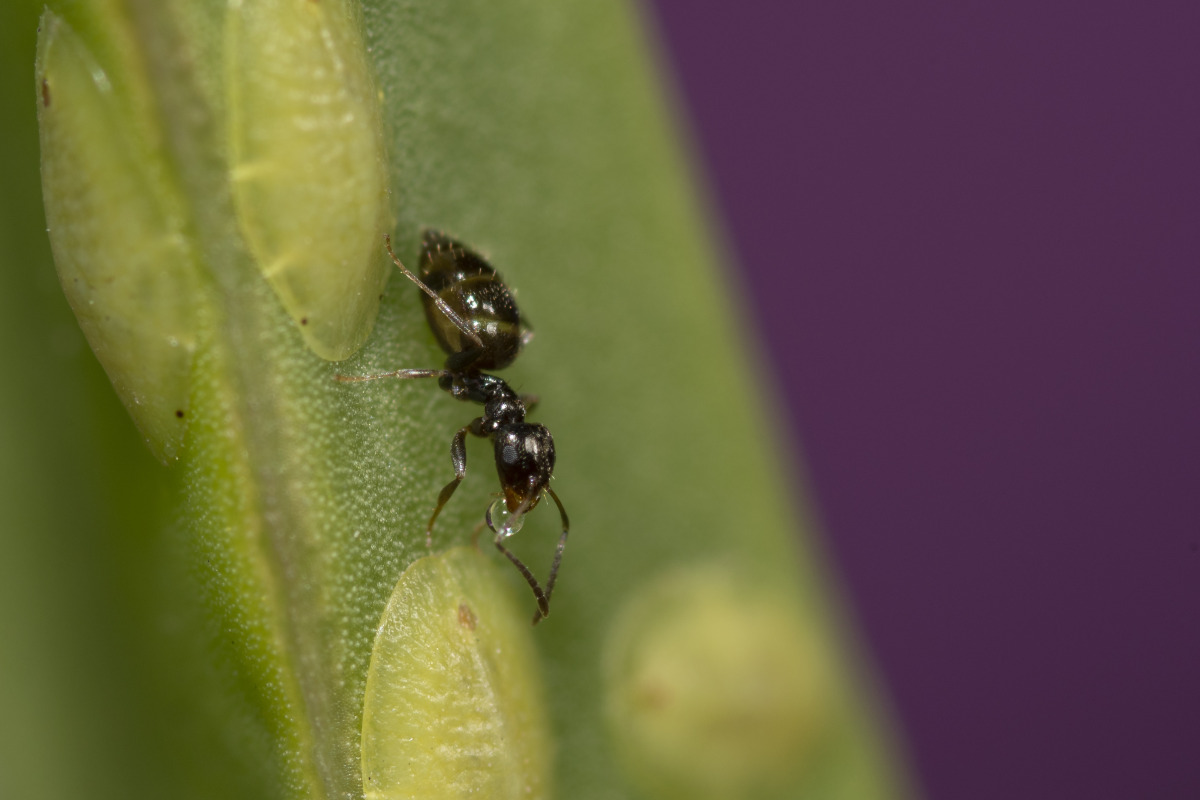
Rover Ant Quick Facts
Size
Approximately 1/16 inch long
Color
Dark brown to nearly black, sometimes appearing lighter brown under bright light
How to Identify
Extremely small, uniformly sized workers that often form loose trails; professional identification may be needed
Active Season
Active year-round in South Florida, with outdoor foraging and winged ants often more noticeable during warm, humid weather
Indoor or Outdoor
Colonies usually nest outdoors, but workers commonly enter buildings for food, moisture, and shelter
Day or Night
Rover ants may forage during the day or at night. Activity varies with heat, moisture, food availability, and nest location.
Diet
Rover ants feed on honeydew, nectar, sweet liquids, small insects, crumbs, syrups, and other accessible foods.
About Rover Ants
Why DIY Rover Ant Control May Not Fix the Problem
DIY efforts may reduce a visible rover ant trail while outdoor colonies continue producing workers. Professional inspection becomes more practical when trails repeatedly return, activity appears in several rooms, winged ants gather indoors, or the species cannot be confidently identified.

Lower-Impact Options
When appropriate, we prioritize monitoring, precise bait placement, exclusion, sanitation, moisture correction, and exterior habitat changes to reduce unnecessary product use.
The Pest Busterzz Approach to Rover Ant Treatment
Pest Busterzz focuses on identifying rover ant activity, locating outdoor nesting pressure, and correcting the food, moisture, and entry conditions that help ants return.
Inspection
We confirm the ant species and inspect sinks, windows, counters, baseboards, plumbing areas, foundations, mulch, planter boxes, irrigation zones, utility openings, and vegetation near the building.
Targeted Treatment
Based on the inspection, treatment may include baiting, localized treatment of accessible nesting areas, crack-and-crevice applications, exterior management, exclusion, and sanitation or habitat recommendations.
Monitoring & Follow-Up
We monitor active trails, evaluate bait acceptance, and check for activity around additional entry routes or landscape areas. Follow-up needs depend on outdoor pressure, weather, and treatment response.
Prevention
Recommendations may include sealing small exterior openings, repairing leaks, reducing condensation, adjusting irrigation, thinning excessive mulch, inspecting potted plants, and managing aphids or scales.
faqs