

Smokybrown Cockroach

Pest Busterzz Home Icon

Pest Library

Smokybrown Cockroach
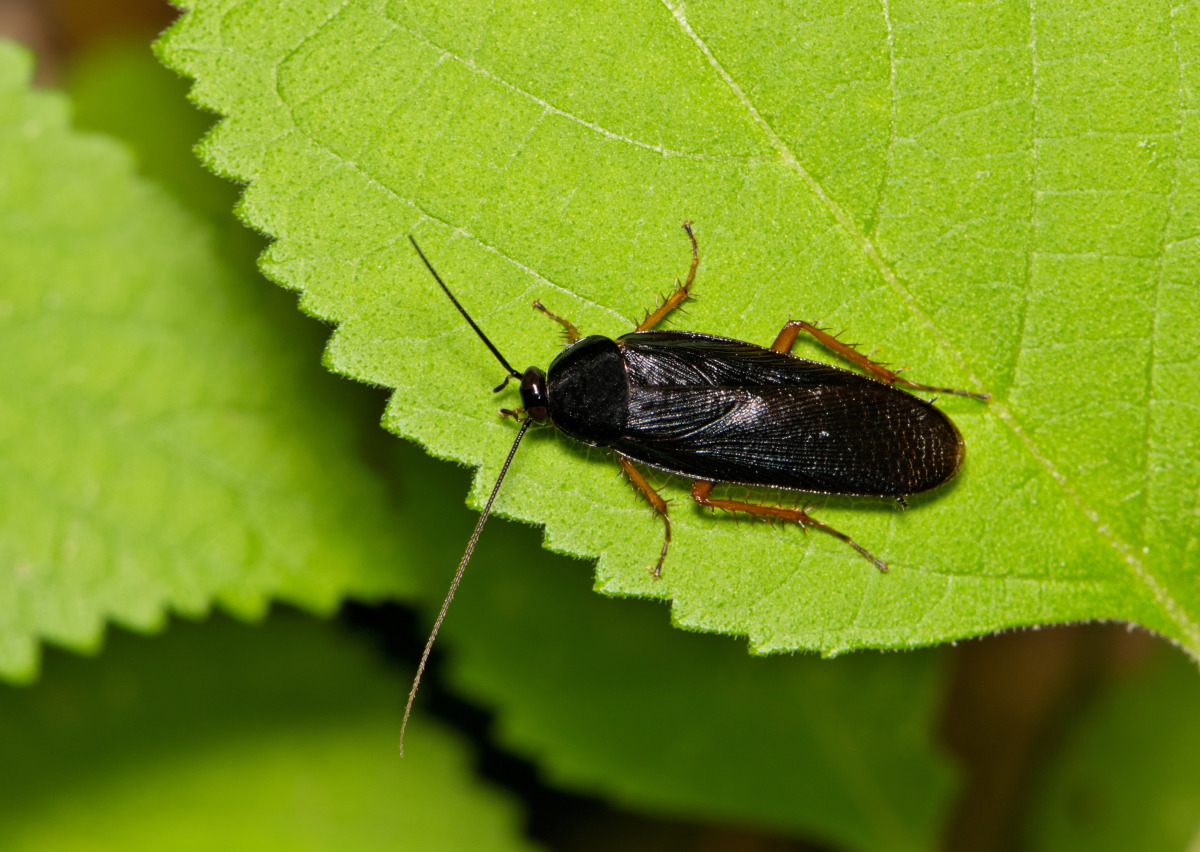
Smokybrown Cockroach Quick Facts

Size

About 1 to 1 1/4 inches long as an adult

Color

Uniformly dark mahogany brown to nearly black

How to Identify

Large, flattened body with long antennae and wings extending beyond the abdomen; adults lack the pale markings seen on American cockroaches

Active Season

Active year-round in South Florida, with activity often increasing during warm, humid, rainy weather

Indoor or Outdoor

Primarily outdoors, but it may enter and shelter in attics, crawlspaces, wall voids, garages, and other humid areas

Day or Night

Mostly active at night; adults may fly toward exterior lights and enter through open doors, windows, vents, or roofline gaps.

Diet

Feeds on decaying organic matter, plant material, pet food, garbage, crumbs, and other available food sources.

About Smokybrown Cockroaches

The smokybrown cockroach, Periplaneta fuliginosa, is a large outdoor cockroach recognized by its smooth, uniformly dark mahogany-brown body. Adults have long wings that extend beyond the abdomen and can fly, especially toward lights at night. In South Florida, these cockroaches benefit from warmth, humidity, mature trees, dense landscaping, and abundant protected hiding places.

They usually live outdoors rather than establishing kitchen-centered infestations like German cockroaches. However, repeated indoor sightings may indicate nearby harborages in an attic, crawlspace, tree hole, mulch bed, wood pile, or wall void. Their presence can create sanitation concerns and may be especially disruptive in homes, restaurants, offices, and other customer-facing businesses.

Where Are Smokybrown Cockroaches Commonly Found?

Outdoor Harborages

Smokybrown cockroaches favor dark, humid, protected outdoor spaces. Common harborages include:

  • Tree holes and hollow trunks
  • Beneath loose bark and around mature hardwood trees
  • Rotting logs, stumps, and fallen limbs
  • Landscape timbers and hollow retaining walls
  • Firewood and lumber piles
  • Sheds, garages, and utility enclosures
  • Leaf litter, mulch, groundcover, and yard debris
  • Under planters, patio stones, and other objects resting on damp soil

They may also shelter around gutters, soffits, roof overhangs, outdoor kitchens, trash areas, and other locations that provide moisture, darkness, and protection from drying winds.

Indoor Hiding Places

When smokybrown cockroaches enter a home or commercial building, they commonly hide in humid, undisturbed areas such as:

  • Wall voids and utility chases
  • Attics and spaces behind fascia or soffits
  • Crawlspaces and damp storage areas
  • Areas around plumbing, drains, and utility penetrations
  • Spaces behind siding, cabinets, and baseboards
  • Garages, sheds, and mechanical rooms
  • Cardboard boxes, clutter, and stored materials
  • Warm areas near appliances or equipment when moisture is available

Unlike German cockroaches, smokybrown cockroaches are not typically concentrated in kitchens. Finding small nymphs indoors can be especially important because it may suggest an egg case hatched nearby.

South Florida Conditions That Support Activity

South Florida’s subtropical climate can support smokybrown cockroach activity throughout the year. Conditions that may increase pressure around a property include:

  • Mature trees with cavities or branches over the roof
  • Dense shrubs, vines, or palms touching the structure
  • Leaking gutters, roofs, plumbing, or air-conditioning systems
  • Clogged gutters and damp roofline voids
  • Frequent irrigation that keeps mulch and soil wet
  • Firewood and lumber piles stored against the structure
  • Deep mulch, leaf litter, rotting wood, and yard waste
  • Bright exterior lighting near doors, windows, and vents
  • Unscreened vents, torn screens, door gaps, and roofline openings

Smokybrown Cockroach Behavior and Attractants

Feeding Habits

Smokybrown cockroaches are scavengers that feed on many organic materials, including:

  • Decaying leaves, bark, and other plant material
  • Garbage and food residue
  • Dead insects and animal matter
  • Pet food and animal-feed spills
  • Crumbs, grease, and improperly stored pantry foods

Because outdoor food sources are often abundant, eliminating a single indoor food source may not stop activity. Effective management also considers nearby leaf litter, waste, pet-feeding areas, moisture, and sheltered harborages.

Breeding and Movement

Females produce protective egg cases called oothecae and place them in sheltered locations. Nymphs develop through several stages before becoming winged adults. Seeing very small nymphs with pale bands across the body can indicate that an egg case hatched nearby.

Adults and older nymphs move mainly at night. They can travel from trees, mulch, rooflines, or exterior voids into structures, and the winged adults may fly toward porch lights, illuminated windows, and open doorways.

Moisture and Shelter

Smokybrown cockroaches lose moisture readily and depend on humid shelter. Persistent activity may be supported by:

  • Roof or gutter leaks
  • Damp attics and crawlspaces
  • Plumbing or drainage problems
  • Wet wall and utility voids
  • Air-conditioning condensation
  • Poor exterior drainage
  • Irrigation that keeps mulch and foundation areas damp
  • Leaf litter, decaying wood, and clutter that retain moisture

Reducing moisture and shelter near the structure is an important part of long-term management.

Peak Activity

Activity is most noticeable after dark and may increase during warm, humid, rainy periods. Heavy rainfall, storms, or saturated outdoor harborages can push cockroaches into attics, garages, wall voids, and living areas. Hot, dry weather may also send them toward dependable moisture sources.

Adults are capable fliers and may suddenly appear near lights, upper-story windows, balconies, or rooflines. A single flying adult may have entered from outdoors, while repeated sightings or indoor nymphs deserve closer inspection.

Smokybrown Cockroach Concerns

Sanitation and Nuisance Concerns

Smokybrown cockroaches do not eat or structurally damage sound wood. The primary concerns are nuisance activity, sanitation, and the possibility of cockroaches moving from outdoor waste or decaying material into occupied spaces.

Recurring activity may be associated with conditions such as:

  • Persistent moisture or leaks
  • Openings around doors, vents, roofs, or utilities
  • Tree holes, leaf litter, mulch, or wood piles near the building
  • Cluttered attics, garages, or storage spaces
  • Food residue, pet food, or accessible garbage
  • Exterior lighting that draws flying adults toward entry points

Because smokybrown cockroaches can resemble American, brown, Oriental, or Florida woods cockroaches, correct identification helps determine where to inspect and which conditions are most likely supporting the problem.

Food and Surface Contamination

Cockroaches may pick up microorganisms while moving through garbage, decaying material, animal areas, or other unsanitary locations and then contaminate food or food-contact surfaces. Exposed food should be discarded when cockroaches gain access to it, and affected surfaces should be cleaned before use.

Allergens and Indoor Exposure

Smokybrown cockroaches are not known for biting or stinging people. As with other cockroaches, body fragments, shed skins, and droppings may contribute to indoor allergen concerns, particularly when populations are established inside a building.

One outdoor adult does not automatically indicate a severe infestation. Repeated sightings, daytime activity, droppings, egg cases, or nymphs indoors are stronger reasons to schedule an inspection.

When Are Smokybrown Cockroaches Active in South Florida?

South Florida’s subtropical conditions allow smokybrown cockroaches to remain active throughout the year. Their activity is not limited to a short summer season.

Activity may become more noticeable during:

  • Warm spring and summer nights
  • The humid rainy season
  • Periods of frequent thunderstorms or tropical weather
  • Heavy rain that floods or disturbs outdoor shelter
  • Hot, dry periods that increase the need for moisture
  • Seasonal leaf litter and yard-debris buildup
  • Storm damage that creates wet wood, tree cavities, and new roofline openings

Heavy rain may push cockroaches from exposed outdoor harborages into attics, wall voids, garages, and living spaces. Storm-damaged trees, clogged gutters, damp mulch, and saturated debris may also create additional shelter close to the building.

During cooler or less humid periods, activity may become less visible without disappearing. Populations sheltered inside trees, attics, crawlspaces, sheds, or landscape materials can remain present and become noticeable again when warm, humid conditions return.

Signs a Smokybrown Cockroach Egg Case May Have Hatched Nearby

Adult smokybrown cockroaches often enter from outdoors, so one adult near a door or light does not always mean they are breeding inside. Small nymphs are more meaningful. Newly hatched nymphs are dark with noticeable pale bands across the back and near the antenna tips, and they do not travel as far as adults. Finding several in an attic, garage, crawlspace, storage area, or upper-level room may indicate that an egg case was deposited in a nearby protected void. Other evidence can include dark droppings, shed skins, egg cases attached to sheltered surfaces, and repeated nighttime activity in the same area. A focused inspection can help determine whether the source is indoors or in a nearby tree, roofline, mulch bed, wood pile, or landscape feature.

Why DIY Smokybrown Cockroach Control May Fall Short

A spray may kill the cockroaches you can see without addressing egg cases, nymphs, or outdoor harborages. Professional service may be the more practical next step when activity repeatedly returns, nymphs are found indoors, sightings occur in several areas, or the source cannot be located.

  • Treating Only Visible Cockroaches | Contact sprays may kill exposed insects while missing egg cases and hidden cockroaches in attics, wall voids, trees, mulch, crawlspaces, or stored materials.
  • Misidentifying the Species | Smokybrown cockroaches can resemble several other large cockroaches, but their preferred harborages and likely entry routes differ. A plan based on the wrong species may focus on the wrong areas.
  • Missing Egg Cases and Nymphs | Egg cases may be attached in protected locations, and newly hatched nymphs can remain close to the hatching site. Treating only adults may allow activity to continue.
  • Ignoring Outdoor Harborages | Indoor cockroaches may be entering from tree holes, wood piles, leaf litter, mulch, roof voids, sheds, or retaining walls. Indoor-only treatment may provide temporary relief.
  • Leaving Moisture and Shelter Uncorrected | Leaks, clogged gutters, damp crawlspaces, deep mulch, dense vegetation, clutter, and decaying wood can continue supporting activity.
  • Overlooking Light and Entry Routes | Bright exterior lights, torn screens, unscreened vents, door gaps, and roofline openings can continue drawing or admitting adults after visible cockroaches are removed.
smokybrown cockroach treatment in South Florida

Lower-Impact Options

When appropriate, Pest Busterzz may prioritize precise bait placement, monitoring, exclusion, moisture correction, sanitation recommendations, and targeted exterior or void treatments to reduce unnecessary product use.

The Pest Busterzz Smokybrown Cockroach Treatment Approach

Pest Busterzz builds the treatment plan around the cockroach species, activity level, property layout, and conditions found during the inspection.

01

Inspection

We confirm the cockroach species and inspect tree holes, rooflines, attics, crawlspaces, wall voids, sheds, mulch, wood piles, moisture sources, droppings, egg cases, and likely entry points.

02

Targeted Treatment

Based on the findings, service may include targeted baiting, crack-and-crevice or void treatment, exterior management, sanitation recommendations, habitat modification, and exclusion. Placement depends on where cockroaches are hiding, feeding, breeding, and entering.

03

Monitoring & Follow-Up

We evaluate activity and treatment results, adjust the plan when needed, and address newly discovered harborages, moisture sources, egg-case sites, or entry routes. Follow-up needs depend on the conditions found.

04

Prevention

Recommendations may include repairing leaks, cleaning gutters, trimming vegetation away from the structure, screening vents, sealing gaps, reducing leaf litter and mulch buildup, relocating wood piles, and improving food and waste storage.

Yes. Smokybrown cockroaches occur in Florida and are well suited to warm, humid environments. South Florida properties with mature trees, tree holes, leaf litter, damp mulch, attics, crawlspaces, sheds, or wood piles can provide suitable shelter throughout the year.

Adults are about 1 to 1 1/4 inches long, uniformly dark mahogany brown to nearly black, and have wings extending beyond the abdomen. Unlike American cockroaches, adults do not have a pale yellow border behind the head. Small nymphs may show pale bands.

Smokybrown adults are usually darker and more uniformly colored. American cockroaches are generally larger and reddish brown with a noticeable pale border on the pronotum behind the head. Professional identification can help when the insect is damaged or only a nymph is found.

They may enter while searching for moisture, food, or shelter, or they may fly toward lights near doors and windows. Rain, drought, storms, overhanging branches, torn screens, unscreened vents, and roofline gaps can all contribute to indoor sightings.

Attics and roof voids can provide the warmth, darkness, and humidity this species prefers. Cockroaches may enter from overhanging trees, soffit gaps, vents, fascia openings, or roof penetrations and then move through wall or ceiling voids.

Smokybrown cockroaches do not sting and are not known for biting people. The more realistic concerns are nuisance activity, contamination of food or surfaces, and indoor allergens when a population becomes established.

A contact spray may kill exposed cockroaches but miss egg cases, nymphs, and hidden harborages. Recurring activity often requires inspection of outdoor shelter, attics, crawlspaces, roof voids, moisture sources, and entry points.

Not necessarily. A single winged adult may fly in from outdoors. Repeated sightings, nymphs, egg cases, droppings, daytime activity, or cockroaches appearing in multiple rooms are stronger signs that harborages may be nearby or inside the structure.

They may continue returning when nearby tree holes, mulch, leaf litter, wood piles, damp attics, leaks, bright exterior lights, or structural openings remain available. Outdoor populations can also create ongoing pressure even after indoor activity is reduced.

Consider an inspection when sightings recur, nymphs or egg cases are found indoors, cockroaches appear in several areas, activity is coming from an attic or wall, or sanitation and exclusion steps have not stopped the problem.

Pest Busterzz Home Icon

faqs

Smokybrown Cockroach FAQs

Schedule a Smokybrown Cockroach Inspection

If large dark cockroaches keep appearing around your South Florida home or business, Pest Busterzz can identify the species, inspect likely indoor and outdoor harborages, and recommend a treatment plan based on the conditions found. Our team can also help pinpoint moisture, shelter, lighting, and entry conditions that may allow activity to return.