

Snails

Pest Busterzz Home Icon

Pest Library

Snail Control in South Florida
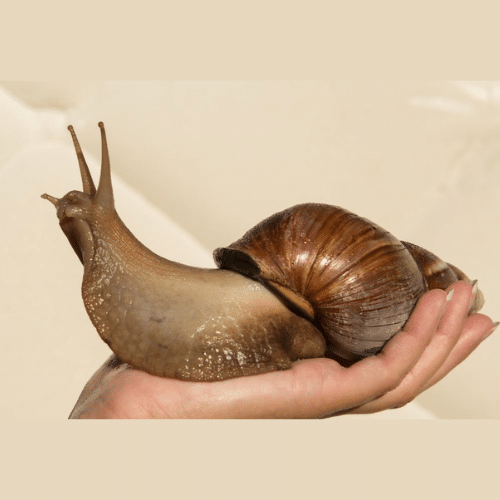
Snails Quick Facts

Size

Most common garden snails are about 1/2 to 1 1/2 inches long, though some invasive species can grow larger

Color

Shells are commonly tan, brown, cream, or gray with bands, spots, or mottled patterns

How to Identify

Soft, moist body with a coiled external shell, two pairs of tentacles, and a broad muscular foot

Active Season

Active year-round in South Florida, with the greatest activity during humid, rainy periods

Indoor or Outdoor

Primarily outdoors in gardens, lawns, shaded landscaping, and moist areas; occasional indoor sightings usually follow entry from outside

Day or Night

Mostly active at night, after rain, and during overcast or humid weather; they hide during hot, dry daytime conditions

Diet

Many land snails feed on tender leaves, seedlings, flowers, fruit, algae, fungi, and decaying plant material.

About Snails

Land snails are soft-bodied mollusks protected by a coiled shell. Several species occur in South Florida, including small garden snails and larger nonnative species. They are commonly recognized by the silvery slime trails they leave on pavement, walls, planters, and vegetation.

Snails often appear where irrigation, rainfall, shade, and dense landscaping keep surfaces moist. Most are outdoor nuisance and landscape pests rather than structural pests, but heavy activity can damage seedlings, ornamentals, vegetables, and fruit. Because species differ in size, feeding habits, and potential concerns, accurate identification is useful before deciding how to manage them.

Where Are Snails Commonly Found?

Snails need moisture and shelter from direct sun. Around South Florida properties, they commonly hide beneath mulch, leaf litter, boards, stones, pots, landscape debris, groundcover, and low-growing plants. They may also rest along shaded foundations, beneath outdoor equipment, inside irrigation boxes, and around leaking spigots or frequently watered beds.

Eggs are generally placed in moist soil or protected organic material. Dense vegetation, overwatering, poor drainage, accumulated debris, and plant material touching walls can support recurring activity. Snails occasionally crawl into garages, patios, lanais, warehouses, or other ground-level spaces through open doors and gaps, but they usually originate outdoors.

Snail Behavior and Feeding

Most land snails move and feed at night or during damp, overcast weather. They travel on a muscular foot and produce mucus that reduces friction, creating the familiar shiny trail. During hot or dry conditions, they retreat into sheltered locations and may seal themselves inside the shell until moisture returns.

Depending on the species, snails may feed on tender leaves, seedlings, flowers, fruit, algae, fungi, and decaying vegetation. Irregular holes, scraped leaf surfaces, clipped young plants, and slime trails are common signs. Many land snails are hermaphroditic, and favorable moisture and food conditions can allow populations to build around gardens and landscaped properties.

Damage and Concerns

For most properties, snails are primarily a nuisance and landscape concern. Feeding can injure seedlings, vegetables, flowers, groundcover, and ornamental plants. Slime trails on walls, walkways, doors, and storefront areas may also create an unsightly maintenance issue.

Snails do not bite or sting and generally do not damage buildings. Some species can carry parasites, but risk depends on the species and circumstances; people and pets should avoid eating raw snails or slugs and should wash hands after handling them. Large or unusual snails should not be handled barehanded. Professional identification may be appropriate when activity is extensive or the species is uncertain.

When Are Snails Active in South Florida?

South Florida’s mild climate can support snail activity throughout the year. Sightings usually increase during the rainy season, after irrigation, and following stretches of humid or overcast weather. Nighttime activity may be especially noticeable on wet driveways, patios, garden borders, and exterior walls.

Hot, dry weather often reduces visible movement, but snails may remain sheltered beneath mulch, debris, containers, or vegetation. Heavy rain can bring them into open areas or closer to buildings, while routine overwatering can maintain favorable conditions even during otherwise dry periods. Population increases are often tied more closely to moisture and shelter than to a single calendar season.

Why DIY Snail Control May Fall Short

Snail activity can continue when moist hiding places, eggs, food sources, and favorable landscaping conditions remain around the property. Professional service may be the practical next step when feeding damage is widespread, snails repeatedly return after cleanup, unusually large snails are present, or the species cannot be confidently identified.

  • Removing Only Visible Snails | Hand removal can reduce the snails seen that day, but hidden adults and eggs may remain beneath mulch, pots, debris, and dense vegetation.
  • Missing Egg-Laying Sites | Snail eggs may be hidden in moist soil and protected organic material. Activity can resume when these areas are not found or conditions remain favorable.
  • Overlooking Moisture | Frequent irrigation, leaking fixtures, poor drainage, and consistently damp mulch can support continued activity even after visible snails are removed.
  • Ignoring Shelter | Boards, pots, stones, leaf litter, weeds, and dense groundcover create protected daytime hiding places that allow snails to avoid dry conditions.
  • Misidentifying the Species | Snails vary in biology and significance. Correct identification matters, especially when unusually large or unfamiliar snails appear.
  • Relying on One-Time Treatment | Reinvasion from neighboring landscape areas can occur when moisture, vegetation, and shelter continue to support snail activity.
snail treatment in South Florida

Lower-Impact Options

When appropriate, Pest Busterzz may prioritize inspection, precise exterior treatment, habitat modification, moisture reduction, monitoring, and exclusion to reduce unnecessary product use.

The Pest Busterzz Snails Treatment Approach

Pest Busterzz focuses on identifying the snail, locating the areas supporting activity, and creating a treatment and prevention plan based on the property inspection.

01

Inspection

We identify the snail when possible and inspect feeding areas, slime trails, moist soil, mulch, irrigation zones, groundcover, debris, containers, and other daytime shelters.

02

Targeted Treatment

Based on the inspection, the plan may include targeted exterior management, breeding-site reduction, removal recommendations, habitat modification, and attention to the specific areas where snails are feeding and hiding.

03

Monitoring & Follow-Up

We monitor activity, evaluate plant damage and slime trails, adjust the plan when needed, and address newly discovered hiding or breeding areas.

04

Prevention

Recommendations may include adjusting irrigation, improving drainage, thinning dense groundcover, removing debris, elevating pots, reducing heavy mulch, and closing ground-level gaps where snails enter.

Yes. South Florida’s warmth, rainfall, irrigation, and dense landscaping can support land snails throughout the year. Activity is usually most noticeable after rain and in shaded, consistently moist areas.

Snails have a visible external shell, while slugs generally do not. Both move on a muscular foot, leave mucus trails, and favor damp, sheltered locations.

Yes. Depending on the species and population, snails may chew irregular holes in leaves, scrape plant surfaces, damage flowers and fruit, and consume young seedlings.

Moist mulch, irrigation, shaded walls, potted plants, leaf litter, and dense vegetation can attract snails. They may crawl onto exterior walls or enter ground-level spaces after rain.

Rain raises humidity and wets surfaces, allowing snails to leave their shelters without drying out. They often move into open areas to feed during and after wet weather.

Snails do not bite or sting. However, people and pets should not eat raw snails or slugs, and hands should be washed after handling them. Avoid barehanded contact with large or unfamiliar species.

It may reduce immediate activity, but hidden snails and eggs can remain beneath mulch, pots, boards, stones, and vegetation. Moisture and shelter conditions also need attention.

Recurring activity often means the property still provides reliable moisture, food, hiding places, or egg-laying sites. Snails may also move in from nearby landscaped areas.

Consider professional service when plant damage is increasing, snails are widespread, activity repeatedly returns, unusually large snails are present, or you are unsure which species is on the property.

Land snails primarily live outdoors. Indoor sightings are usually temporary and occur when snails crawl through open doors or ground-level gaps from nearby damp landscaping.

Pest Busterzz Home Icon

faqs

Snail FAQs