

Pest Library
Southern House Mosquito Control in South Florida
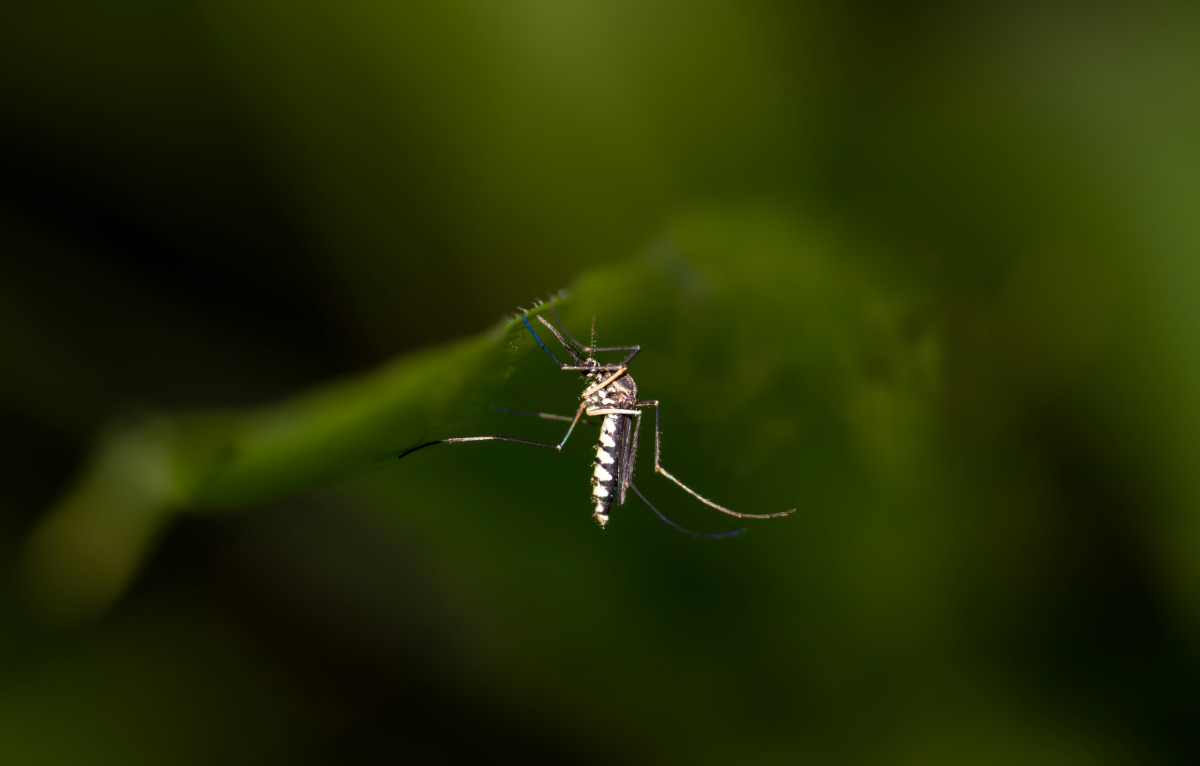
Southern House Mosquito Quick Facts
Size
Adults are usually about 1/8 to 1/4 inch long, including the legs.
Color
Generally light to medium brown, with pale bands across the abdomen and unbanded legs.
How to Identify
A slender brown mosquito with a rounded-tipped abdomen, pale abdominal bands, and no bold white leg stripes; exact identification may require a professional.
Active Season
Active year-round in South Florida, with activity often increasing during warm, rainy periods.
Indoor or Outdoor
Found outdoors and indoors; adults rest in vegetation and sheltered structures, while larvae develop in standing water.
Day or Night
Mostly active from dusk through dawn and may enter homes or businesses at night.
Diet
Females take blood meals from birds, people, and other animals; adults also use plant sugars, while larvae feed on microorganisms and organic material in water.
About Southern House Mosquitoes
Why Southern House Mosquitoes Keep Returning
A yard can continue producing southern house mosquitoes even when the most obvious container has been emptied. Females may use several small water sources across neighboring properties, rooflines, drainage systems, utility areas, and dense landscaping. Egg rafts and larvae are easy to overlook in dark water, and adults resting in vegetation may be mistaken for mosquitoes arriving from far away. Recurring activity is especially likely when gutters hold leaves, catch basins retain water, containers refill after rain, or an unused pool develops algae and organic buildup. A useful inspection follows the mosquito’s life cycle: identify where adults rest and enter, then check every practical source of standing water for larvae or pupae. Because other mosquito species may be present at the same time, professional identification and monitoring can help determine which habitats are contributing most to the problem.
Why DIY Southern House Mosquito Control May Fall Short
Mosquito reduction often requires more than killing the adults currently flying around a patio or room. Professional service may be appropriate when nighttime biting continues, the breeding source is unclear, mosquitoes are developing in drains or other difficult areas, or a commercial or multifamily property has many potential water sources.

Lower-Impact Options
When appropriate, Pest Busterzz may prioritize breeding-site reduction, monitoring, precise applications, screening or exclusion recommendations, and habitat changes to reduce unnecessary product use.
The Pest Busterzz Southern House Mosquito Treatment Approach
Pest Busterzz begins with identification and inspection, then develops a mosquito-management plan based on the species present, breeding conditions, adult activity, property use, and areas that can be safely accessed.
Inspection
We evaluate when and where mosquitoes are active, look for adult resting areas, inspect accessible standing-water sources, check likely entry points, and determine whether southern house mosquitoes or other species appear to be involved.
Targeted Treatment
Based on the findings, the plan may include breeding-site reduction, appropriate management of accessible larval habitats, targeted exterior mosquito treatment, and recommendations for screens, drainage, sanitation, or water maintenance. Methods depend on the site and activity found.
Monitoring & Follow-Up
We evaluate changes in biting and adult activity, watch for newly productive water sources, and adjust the plan when weather, irrigation, vegetation, or property conditions change. Follow-up needs depend on the inspection and ongoing mosquito pressure.
Prevention
Recommendations may include emptying or maintaining containers, cleaning gutters, improving drainage, screening rain barrels, maintaining pools and fountains, trimming dense resting vegetation, repairing screens, and reducing unnecessary standing water.
faqs
Southern House Mosquito FAQs
Schedule a Southern House Mosquito Inspection
If nighttime mosquitoes are affecting your South Florida home or business, Pest Busterzz can inspect the property, help identify the mosquito activity, and recommend a treatment plan based on the breeding sites, resting areas, entry conditions, and other findings. Addressing the water and habitat conditions that support activity can also reduce the chance of the problem quickly returning.