

Spiders

Pest Busterzz Home Icon

Pest Library

Spider Control in South Florida
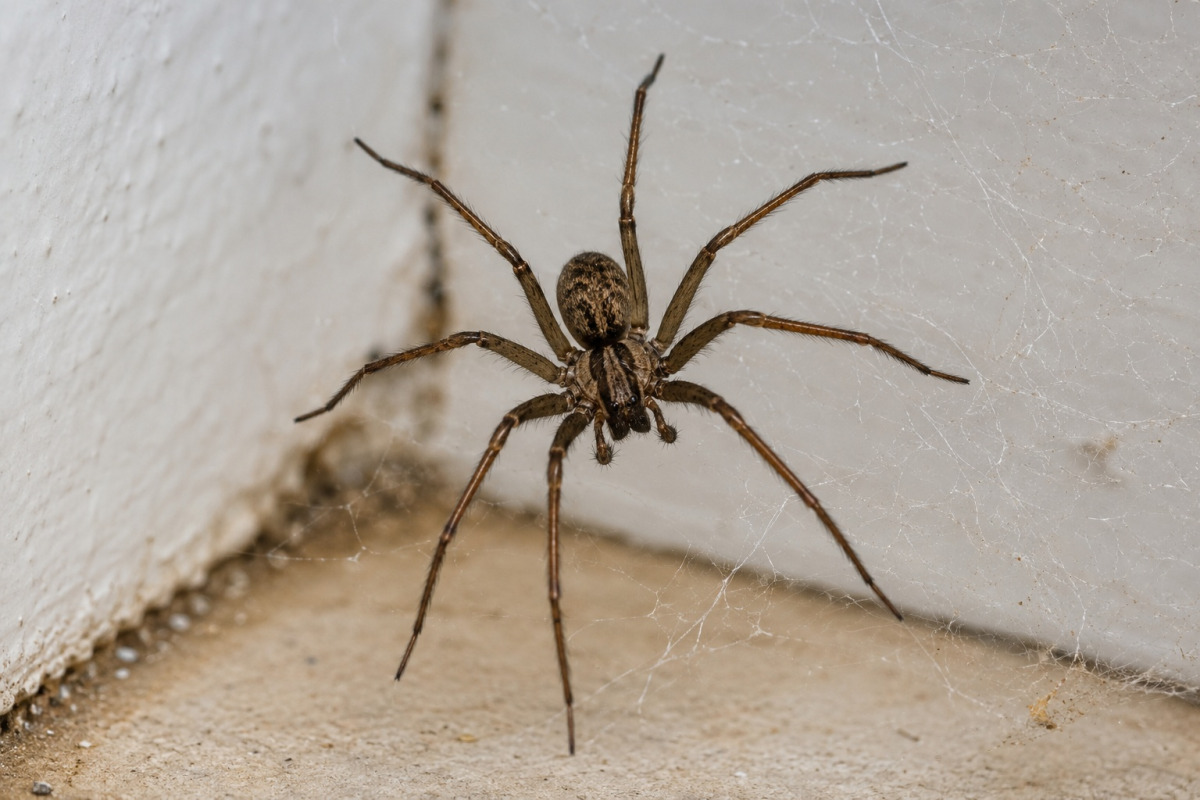
Spiders Quick Facts

Size

Body length varies widely by species, from less than 1/4 inch to about 1 1/2 inches; leg span may be much larger

Color

Brown, gray, black, tan, yellow, orange, white, or patterned, depending on the species

How to Identify

Eight legs, two main body sections, no antennae, and species-specific webs, markings, or hunting behavior

Active Season

Active year-round in South Florida, with many species becoming more noticeable during warm, humid, and rainy periods

Indoor or Outdoor

Found both indoors and outdoors, including gardens, eaves, garages, storage areas, wall voids, and quiet corners

Day or Night

Activity varies by species. Many web-building and wandering spiders are most active at night, while jumping spiders often hunt during the day.

Diet

Primarily insects and other small arthropods, including flies, mosquitoes, moths, cockroaches, and other spiders.

About Spiders

Spiders are arachnids in the order Araneae, a diverse group represented by hundreds of species in Florida. Common South Florida visitors include orb weavers, jumping spiders, wolf spiders, southern house spiders, cellar spiders, and widow spiders. Some build organized orb webs, others make irregular cobwebs, and many hunt without a capture web.

Most spiders are shy, beneficial predators that help reduce insect populations and are not aggressive toward people. Property owners are usually concerned about recurring webs, frequent indoor sightings, egg sacs, or uncertainty about whether a spider is a medically significant widow species. Accurate identification and an inspection of prey sources, hiding places, and entry points guide practical control.

Where Are Spiders Commonly Found?

Outdoor Webs and Shelter

Outdoor spiders use protected areas where prey is available and webs or retreats are less likely to be disturbed. Common locations include:

  • Shrubs, hedges, and tree branches
  • Beneath loose bark and inside tree cavities
  • Logs, stumps, rocks, and leaf litter
  • Landscape timbers and retaining walls
  • Wood piles and stored outdoor materials
  • Fence posts, railings, and gates
  • Under stones, planters, patio furniture, and debris
  • Around exterior lights and other places that attract flying insects

Web-building species often anchor silk between vegetation, eaves, screens, and structural edges, while hunting spiders shelter in ground cover or narrow crevices during the day.

Indoor Hiding and Web Sites

Indoor spiders usually choose quiet, low-traffic areas near insect activity or protected cracks. Common locations include:

  • Wall and ceiling voids
  • Window corners, door frames, and screens
  • Attics, roof voids, and soffits
  • Areas around plumbing and utility penetrations
  • Spaces behind siding, trim, and baseboards
  • Garages, closets, sheds, and storage rooms
  • Boxes, stored shoes, gloves, and seldom-moved items
  • Kitchens, bathrooms, laundry rooms, and utility areas where insects gather

Spiders found indoors do not necessarily indicate poor sanitation. They are often following insect prey or using gaps around doors, screens, vents, and rooflines for shelter.

South Florida Conditions That Support Spider Activity

South Florida’s warmth, humidity, long insect season, and dense landscaping can support spider activity throughout the year. Sightings and webs may increase when a property has:

  • Dense shrubs or branches touching the roof and exterior walls
  • Exterior lights that attract moths, flies, and other prey
  • Damaged screens, door sweeps, soffits, or weather stripping
  • Cluttered garages, sheds, closets, or storage areas
  • Moist areas that support insects around plumbing, irrigation, or air-conditioning equipment
  • Wood piles, boxes, or equipment stored against the structure
  • Leaf litter, mulch, and ground cover close to the foundation
  • High populations of flies, mosquitoes, cockroaches, and other insect prey
  • Cracks, utility gaps, vents, or unsealed roofline openings

Spider Behavior and Attractants

Hunting and Feeding Habits

Spiders are predators. Depending on the species and hunting strategy, common prey may include:

  • Flies, mosquitoes, moths, and other flying insects
  • Cockroaches, ants, beetles, and small crawling insects
  • Crickets, grasshoppers, and other outdoor arthropods
  • Other spiders and small invertebrates
  • Insects concentrated near lights, moisture, vegetation, or food waste

Web-building spiders wait for prey to become trapped in silk, while jumping spiders, wolf spiders, and other hunters actively stalk or ambush prey. Reducing insect activity often makes a property less attractive to spiders.

Webs, Retreats, and Egg Sacs

Spiders do not form colonies like ants or termites. Most are solitary. A female may place eggs inside a silk sac attached to a web, hidden in a retreat, carried beneath the abdomen, or carried behind the body, depending on the species.

Indoor activity often begins when a spider enters through a screen gap, door opening, utility penetration, roofline, or on stored items. Repeated sightings may occur when insect prey and undisturbed shelter remain available.

Shelter and Prey

Persistent spider activity may be supported by:

  • Outdoor lighting that attracts insects
  • Damaged screens and gaps around windows
  • Openings around plumbing and utilities
  • Quiet wall, ceiling, attic, and storage voids
  • Moisture that supports flies, mosquitoes, and other prey
  • Dense landscaping and heavy ground cover
  • Irrigation or standing water that increases insect activity
  • Boxes, firewood, and clutter that remain undisturbed

Reducing prey, clutter, entry points, and protected web sites is an important part of long-term management.

Daily and Seasonal Activity

Many common web-building spiders are most active after dark, when they repair webs and wait for prey. Jumping spiders are usually daytime hunters. Warm, humid weather supports the insects spiders feed on, so webs and sightings may become more noticeable during South Florida’s wet season.

Heavy rain, storms, landscape trimming, or movement of stored items may dislodge spiders and lead to sudden indoor sightings. Activity patterns differ by species and by whether the spider lives indoors or outdoors.

Spider Concerns Around Homes and Businesses

Webs and Nuisance Activity

Spiders do not eat wood or damage buildings. Most concerns involve recurring cobwebs, egg sacs, visible spiders, and the discomfort they may cause occupants, customers, or employees.

Frequent activity may point to conditions that support insect prey or provide undisturbed shelter, such as:

  • Gaps around doors, windows, screens, and rooflines
  • Exterior lighting that draws insects to entrances
  • High fly, mosquito, cockroach, or moth activity
  • Cluttered storage and seldom-disturbed areas
  • Dense vegetation or ground cover against the building
  • Moisture conditions that increase other arthropod activity

Because harmless spiders are frequently mistaken for widow or recluse spiders, identification is important before deciding how much concern or treatment is warranted.

Bites and Medical Concerns

Most Florida spiders are shy and bites are uncommon. Bites generally occur when a spider is trapped against the skin, handled, or disturbed in a hidden location. Widow spiders are the primary established Florida spiders with venom considered medically significant, so suspected widow bites or severe symptoms require prompt medical guidance.

Widows, Recluses, and Lookalikes

Florida has southern black, northern black, red, and introduced brown widow spiders. They tend to make irregular, three-dimensional webs in protected, undisturbed locations. Recluse spiders are not considered broadly established across Florida, and many brown spiders are harmless lookalikes such as male southern house spiders.

A spider should not be blamed for an unexplained skin lesion unless it was observed biting or reliably identified. Seek medical care for severe pain, muscle cramping, spreading symptoms, breathing difficulty, or another serious reaction.

When Are Spiders Active in South Florida?

South Florida’s subtropical conditions support spiders and their insect prey throughout the year, so activity is not limited to a short season.

Spiders may become more noticeable during:

  • Warm spring weather and increasing insect activity
  • The humid summer and rainy season
  • Periods of frequent thunderstorms and storm cleanup
  • Tropical weather, flooding, and extended rainfall
  • Hot or dry periods that concentrate insects near dependable moisture
  • Seasonal increases in mosquitoes, moths, flies, and other prey
  • Landscape growth that creates more web supports and protected hiding sites

Heavy rain may destroy webs or flood ground-level retreats, temporarily pushing spiders into garages, sheds, wall voids, and other protected areas. Storm debris and rapidly growing vegetation can also create new shelter and web sites.

During cooler or drier weather, outdoor webs and wandering activity may become less visible without disappearing. Indoor spiders in stable, protected spaces may remain active whenever prey is available.

Why DIY Spider Control May Fall Short

Occasional spiders can often be removed with a vacuum or container, but recurring activity may continue when the species, prey source, web sites, egg sacs, and entry routes are not addressed. A professional inspection is practical when spiders repeatedly appear indoors, webs quickly return, widow identification is suspected, or hidden areas cannot be inspected safely.

  • Removing Only the Visible Spider | Eliminating one spider may not address nearby egg sacs, additional spiders, prey insects, or entry points. New spiders can continue entering from exterior vegetation, garages, attics, and structural gaps.
  • Misidentifying the Species | Harmless southern house spiders, wolf spiders, and other brown spiders are often mistaken for recluses. Treatment and safety decisions should be based on reliable identification rather than color alone.
  • Relying on Broad Indoor Spraying | Spraying open surfaces may miss spiders and egg sacs hidden in cracks, voids, storage, eaves, or clutter. Product use also must follow label directions and account for occupied rooms, pets, and sensitive areas.
  • Ignoring Exterior Web Sites | Indoor activity may originate around eaves, screens, lights, shrubs, patio furniture, utility boxes, or stored materials. Treating only inside can leave the main source of recurring activity untouched.
  • Leaving Prey and Shelter in Place | Control may be temporary when insect prey, exterior lighting, clutter, dense vegetation, damaged screens, and unsealed gaps continue to support spider activity.
  • Missing Egg Sacs and Hidden Retreats | Egg sacs may be tucked behind stored items, beneath furniture, in irregular webs, or inside protected cracks. Removing visible webbing without inspecting these locations can allow activity to resume.
spider treatment in South Florida

Lower-Impact Options

When appropriate, we prioritize web and egg-sac removal, precise crack-and-crevice treatment, exclusion, monitoring, and habitat modification to reduce unnecessary product use.

The Pest Busterzz Spiders Treatment Approach

Pest Busterzz focuses on accurate identification, reducing active spiders and webs, addressing hiding areas, and correcting the conditions that allow spider activity to return.

01

Inspection

We identify the spider when possible and inspect webs, egg sacs, hiding places, prey activity, and entry points around eaves, lights, screens, garages, attics, storage areas, wall voids, and landscaping.

02

Targeted Treatment

Based on the inspection, treatment may include web and egg-sac removal, localized crack-and-crevice or void treatment, exterior management, exclusion, and recommendations for reducing insect prey and shelter. Methods depend on the species and activity found.

03

Monitoring & Follow-Up

We monitor new webs and sightings, evaluate results, adjust the plan when needed, and address newly discovered hiding areas, prey sources, or entry routes.

04

Prevention

Recommendations may include repairing screens and door sweeps, sealing gaps, trimming vegetation, reducing clutter, moving firewood and boxes away from walls, adjusting exterior lighting, and managing the insects spiders feed on.

Yes. Florida supports hundreds of spider species, and South Florida’s warm climate and long insect season allow many to remain active throughout the year. Most are harmless predators found in landscaping, around exterior lights, beneath outdoor objects, or in quiet indoor areas where insect prey is available.

Spiders have eight legs and two main body sections. Insects have six legs, three main body sections, and usually antennae. Spiderlings can be tiny, but they still share the basic spider body plan.

No. Spiders do not eat wood, fabric, or building materials. Their webs may be unsightly, and repeated activity can be a nuisance, but spiders are not structural pests. Frequent sightings often reflect abundant insect prey or accessible hiding places.

Windows and doors attract spiders because light draws flying insects and frames provide web anchors and small gaps. Damaged screens, worn weather stripping, and vegetation touching the building can make these areas especially active.

Corners near ceilings, lights, vents, and windows offer stable anchor points and regular access to prey. Removing the web may not change the conditions, so another spider may use the same location unless insects, gaps, and shelter are addressed.

Spider bites are uncommon because most species avoid people. A bite is more likely when a spider is trapped against the skin, handled, or disturbed in a hidden space. Widow spiders deserve caution, and severe or spreading symptoms should be evaluated promptly by a medical professional.

It may kill a directly contacted spider, but it may not reach hidden spiders, egg sacs, or the insects attracting them. Lasting improvement usually also requires web removal, exclusion, clutter reduction, and attention to exterior prey sources.

Not necessarily. A single spider may have wandered indoors. Repeated sightings, multiple fresh webs, numerous egg sacs, or activity in several rooms can indicate that the property is providing steady prey and shelter and should be inspected more closely.

Web removal addresses the visible evidence but not always the reason spiders chose the location. Exterior lighting, insect prey, gaps, clutter, vegetation, and hidden egg sacs can all allow activity to return.

No. Recluse spiders are not considered broadly established in Florida, although isolated introductions have occurred. Many harmless brown spiders, especially male southern house spiders, are mistaken for recluses. Reliable identification should consider eye arrangement and other features, not a suspected violin mark alone.

Pest Busterzz Home Icon

faqs

Spider FAQs