

Pest Library
Spittlebug
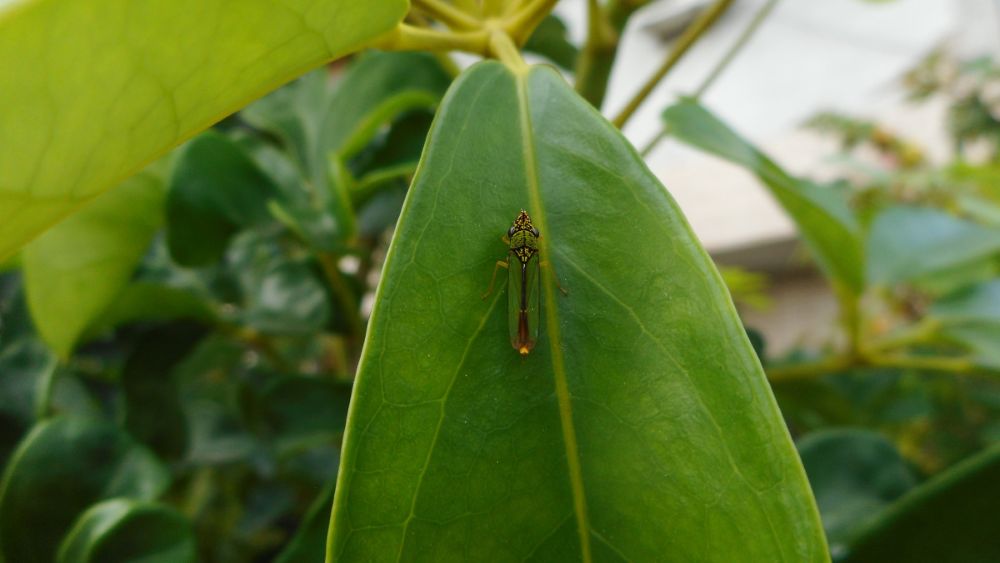
Spittlebug Quick Facts
Size
Adults measure about 1/4 to 3/8 inch long.
Color
Dark brown to black with red eyes and legs and two distinctive orange-red lines across the wings; nymphs are creamy yellow or white with a brown head.
How to Identify
Adults resemble small hoppers with two bright orange stripes; immature stages hide inside white, frothy “spittle” masses near the base of grass.
Active Season
Activity typically rises in late spring through summer and early fall, often peaking around June and again in August–September when humidity and rainfall are high.
Indoor or Outdoor
Primarily outdoor; most often noticed in lawns, turf, and ornamental plantings.
Day or Night
Adults are usually most active in the early morning and tend to rest near the soil surface during the heat of the day.
Diet
Plant juices from turfgrasses (especially centipedegrass) and certain ornamentals such as hollies.
About Spittlebugs
Why DIY Spittlebug Control Misses the mark
Home treatments sometimes provide only temporary improvement. Professional service becomes the more practical next step when activity keeps returning, covers larger areas of the lawn, or affects valued ornamental plantings.

Lower-Impact Options
When conditions allow, Pest Busterzz emphasizes precise placement, habitat modification, and monitoring to limit broader product use while still addressing the population and the conditions that support it.
The Pest Busterzz Spittlebug Treatment Approach
Pest Busterzz focuses on confirming the pest, evaluating the extent of activity, and addressing both the insects and the landscape conditions that support them.
Inspection
We identify the insect, assess the extent of nymph and adult activity, examine thatch depth and moisture conditions, and note preferred host plants such as susceptible turf varieties and hollies.
Targeted Treatment
The service plan is based on inspection findings and may include localized treatments directed at active areas, attention to the thatch layer where nymphs develop, and exterior management focused on the turf and ornamental plantings supporting the population.
Monitoring & Follow-Up
Activity is rechecked as needed to evaluate results, confirm whether successive generations are appearing, and adjust the approach if new areas of the landscape become involved. Timing depends on the generation cycle and local weather patterns.
Prevention
Recommendations commonly focus on reducing excessive thatch, moderating irrigation to avoid prolonged surface moisture, mowing at appropriate heights, and maintaining overall turf vigor so grass can better tolerate feeding.
faqs