

Stable Fly

Pest Busterzz Home Icon

Pest Library

Stable Fly
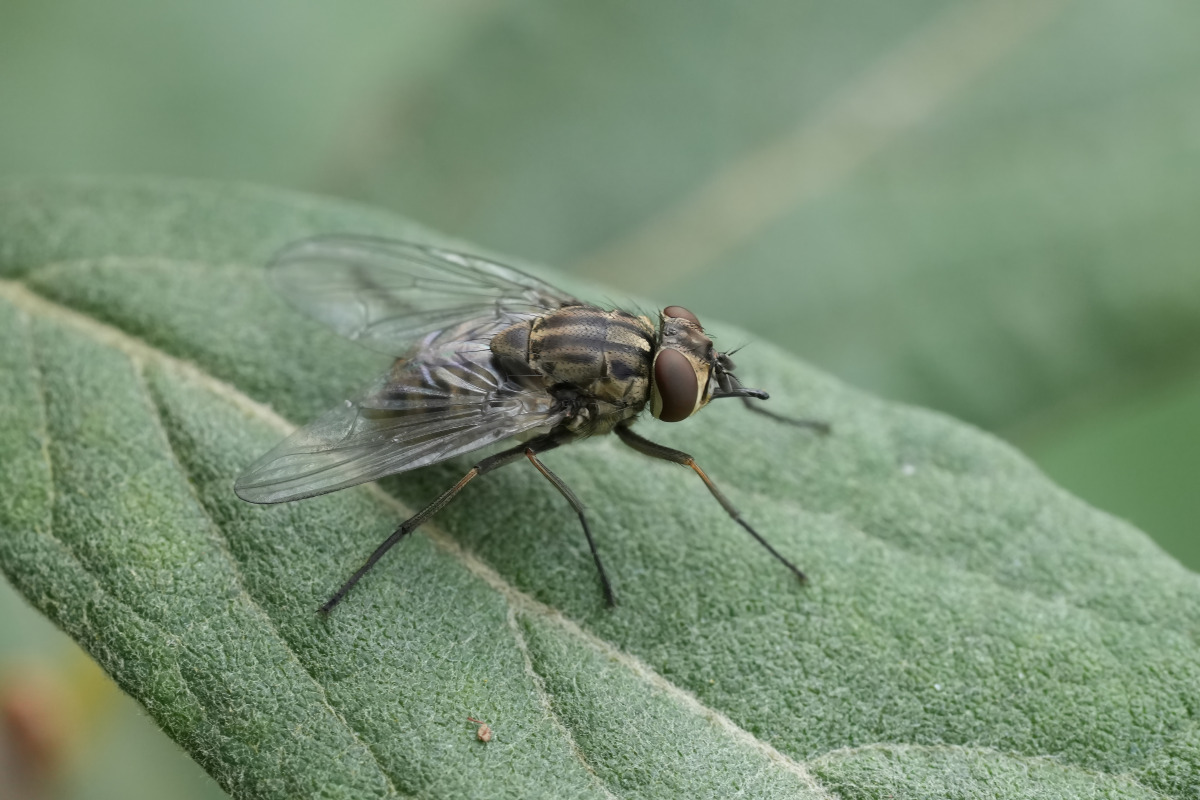
Stable Fly Quick Facts

Size

Adults are typically 1/4 inch long, similar in size to a common house fly.

Color

Gray thorax with four dark longitudinal stripes and a checkered pattern on the abdomen.

How to Identify

A prominent, stiff, needle-like mouthpart (proboscis) that projects forward from beneath the head.

Active Season

Present year-round in South Florida, with population surges often occurring during wet spring and autumn periods.

Indoor or Outdoor

Primarily an outdoor biting pest, though adults may occasionally drift inside through open doorways or unsealed screens.

Day or Night

Mainly active during daylight hours, preferring warm, sunny weather to search for hosts and resting sites.

Diet

Both adult males and females feed on the blood of livestock, pets, wildlife, and humans, while larvae feed on organic micro-organisms in moist, fermenting vegetation.

About Stable Flies

The stable fly (Stomoxys calcitrans) is a persistent, blood-feeding insect that closely resembles the common house fly in overall size and appearance. Unlike non-biting filth flies, stable flies possess a rigid, needle-like mouthpart designed to pierce skin and draw blood meals from animals and humans. In South Florida, these strong fliers are commonly found near equestrian centers, residential landscapes, coastal shorelines, and areas accumulating damp organic material. Property owners often notice their presence due to sharp, painful bites that interrupt outdoor activities and cause discomfort to domestic pets or livestock.

Where Are Stable Flies Commonly Found?

Outdoor Breeding and Resting Areas

Stable flies rely on moist, fermenting organic material rather than dry soil or clean structural surfaces for egg-laying and larval development. Typical outdoor habitats include:

  • Piles of wet, decomposing grass clippings
  • Accumulated marine vegetation along coastal wrack lines
  • Damp livestock bedding and manure piles
  • Rotting compost or decaying vegetable matter
  • Thick layers of moist, over-irrigated mulch
  • Outdoor pet enclosures and kennels
  • Trash areas containing decaying plant waste

Adult Perching Locations

Adult flies spend significant time resting between feedings on sunlit vertical or elevated surfaces near host animals. Common locations include:

  • Exterior building walls and light-colored siding
  • Wooden fences, post rails, and gates
  • Patio furniture and outdoor structures
  • Tall grasses and sunny foliage edges
  • Screen enclosures and window frames

South Florida Conditions That Support Activity

Subtropical conditions in South Florida provide consistent warmth, elevated humidity, and frequent rainfall, all of which accelerate egg-to-adult development. Property conditions that favor stable flies include:

  • Overwatered turfgrass or poorly drained landscape beds
  • Uncollected lawn debris or piled yard waste
  • Proximity to stable areas, pastures, or coastal shorelines
  • Prevailing onshore or offshore winds pushing flies from breeding grounds
  • Open doors, damaged patio screens, or unsealed window perimeters

Stable Fly Behavior and Habits

Feeding Patterns

Unlike non-biting filth flies, both male and female stable flies rely on blood meals to sustain themselves and complete reproduction. They are active daylight feeders that search for potential hosts primarily using visual cues. When targeting humans, stable flies usually attack the lower legs and ankles. On domestic animals such as dogs or horses, they tend to target the legs, abdomen, and ears.

Resting and Dispersal

When not actively seeking a meal, adult stable flies spend time resting on sunny, vertical surfaces like exterior siding, fence posts, and tall vegetation. They typically rest head-upward or angled steeply against the surface. Stable flies are strong fliers and can travel considerable distances independently or be carried miles by wind currents from rural, agricultural, or coastal breeding areas into suburban yards.

Reproduction and Life Cycle

Female flies deposit eggs directly into damp, decaying plant matter or fermenting vegetation mixed with manure. The maggot larvae hatch quickly, feeding on bacteria and fungi within the moist substrate. Under warm South Florida temperatures, the entire cycle from egg to adult can take less than three weeks, allowing populations to expand rapidly during wet weather.

Impact and Property Concerns

Painful Bites and Nuisance Activity

The primary concern associated with stable flies is their sharp, irritating bite. Because their bayonet-like proboscis punctures skin tissue directly, bites cause immediate pain rather than delayed itching. High fly populations can make backyards, patios, outdoor dining areas, and pool decks uncomfortable during daylight hours.

Stress to Pets and Domestic Animals

Stable flies frequently bother pets, horses, and livestock. Persistent feeding can cause animal agitation, constant tail-swishing, and stamping. On dogs, repeated bites around the ears or belly can result in raw sores, crusting, and secondary skin irritations from frequent scratching.

Underlying Site Conditions

A noticeable influx of stable flies often indicates the presence of wet, fermenting organic matter nearby. Identifying fly activity can help draw attention to accumulating lawn waste, overwatered landscape beds, or unmanaged compost piles that require attention.

When Are Stable Flies Active in South Florida?

Due to South Florida’s warm subtropical climate, stable flies remain present throughout the year. However, their numbers fluctuate in response to seasonal weather conditions and local moisture levels.

Activity often increases during:

  • Rainy spring months that keep organic debris damp
  • Autumn periods following seasonal weather systems
  • Times of heavy coastal sea-debris accumulation along shorelines
  • Periods with prevailing offshore winds carrying flies from agricultural zones
  • Warm, sunny afternoons following rainy spells

During extreme summer heat or temporary winter cold fronts, adult flies seek shelter in dense landscaping, shaded structure overhangs, or vegetation perches until moderate temperatures return.

Why DIY Stable Fly Control Falls Short

Controlling stable flies using off-the-shelf retail products can be difficult because their biology differs significantly from non-biting household flies. Professional inspection and targeted management help address adult resting perches and local breeding materials effectively.

  • Using Ineffective Sweet Baits | Standard commercial fly traps and liquid baits rely on sugary attractants designed for house flies. Because stable flies feed strictly on blood, they ignore conventional fly baits.
  • Overlooking Hidden Breeding Media | Simple lawn mowing may leave underlying damp layers of fermenting grass, decaying mulch, or wet compost untouched, allowing larvae to continue developing.
  • Wind-Driven Reinfestation | Stable flies are capable fliers that often travel on wind currents from surrounding coastal wrack lines, pastures, or neighboring properties, bringing new adults into treated yards.
  • Broad Misting Without Specific Targeting | Randomly spraying lawns or patio spaces with general pesticides provides temporary results while failing to target key adult vertical perches or localized breeding substrates.
  • Misidentifying the Pest | Mistaking stable flies for non-biting house flies leads to selecting control methods that do not align with the biting fly’s specific habits.
stable fly treatment in South Florida

Lower-Impact Options

When appropriate, we emphasize targeted surface applications, site sanitation, physical trapping, and habitat modification to minimize unnecessary product use.

The Pest Busterzz Stable Fly Treatment Approach

Pest Busterzz evaluates your property to identify stable fly resting locations, locate potential organic breeding media, and recommend tailored management strategies.

01

Inspection

We examine outdoor areas to confirm the fly species, inspect sunny exterior walls and fence lines for resting adults, and locate moist, fermenting organic materials that may support larval development.

02

Targeted Treatment

Depending on inspection findings, services may include targeted treatments to exterior adult perching areas, specialized physical traps designed for biting flies, or larvicidal management for non-removable damp organic materials.

03

Monitoring & Follow-Up

We assess outdoor activity levels, evaluate treatment effectiveness during wet peak seasons, and adjust protocols as weather patterns or local fly pressures shift.

04

Prevention

Our practical recommendations focus on clearing damp lawn clippings, managing compost and pet areas, adjusting irrigation schedules to reduce soggy mulch, and repairing damaged window or door screens.

While similar in size and gray coloring, stable flies feature a rigid, bayonet-like mouthpart sticking straight out in front of their head. Additionally, stable flies deliver sharp bites to skin—especially around lower legs—whereas house flies possess spongy mouthparts and cannot bite.

Stable flies prefer host targets low to the ground. When approaching humans, they naturally focus on feet, ankles, and lower legs during daytime outdoor activity, delivering immediate pricks as they attempt to acquire a blood meal.

Females lay eggs in damp, fermenting vegetation such as decaying lawn clippings, moist straw bedding, compost heaps, and marine algae along coastal wrack lines. They require wet, decomposing organic matter for larval development.

No, stable flies almost exclusively breed outdoors in damp, fermenting organic substrates. While adult flies occasionally stray indoors through open patio doors or damaged screens while following hosts, indoor conditions do not support their breeding life cycle.

Coastal shorelines accumulate wrack lines—piles of washed-up seaweed that ferment on the sand, creating ideal breeding sites. Offshore winds then carry emerging adult flies directly toward beaches, parks, and nearby residential communities.

Traditional liquid fly traps rely on sweet or food-scented baits designed for non-biting filth flies. Because stable flies feed exclusively on blood meals, they ignore standard retail baits, requiring specialized visual management tactics instead.

Yes. Stable flies readily bite dogs and other domestic animals, targeting areas with short hair like ears and bellies. Repeated bites cause discomfort, sores, and agitation, making outdoor pet areas a primary spot for monitoring.

Stable flies remain active year-round, but populations spike after rainy spring and fall weather. Increased moisture accelerates larval development within damp yard debris, leading to rapid population surges during these periods.

Adult stable flies naturally seek out sunny, vertical surfaces—such as wall siding, fences, and post rails—to rest and warm themselves between blood meals while waiting for potential hosts to pass nearby.

If biting flies consistently disrupt outdoor living, agitate pets, or perching adults cover exterior surfaces, contact Pest Busterzz to schedule a thorough property evaluation and customized treatment strategy.

Pest Busterzz Home Icon

faqs

Stable Fly FAQs