

Surinam Cockroach

Pest Busterzz Home Icon

Pest Library

Surinam Cockroach Control in South Florida
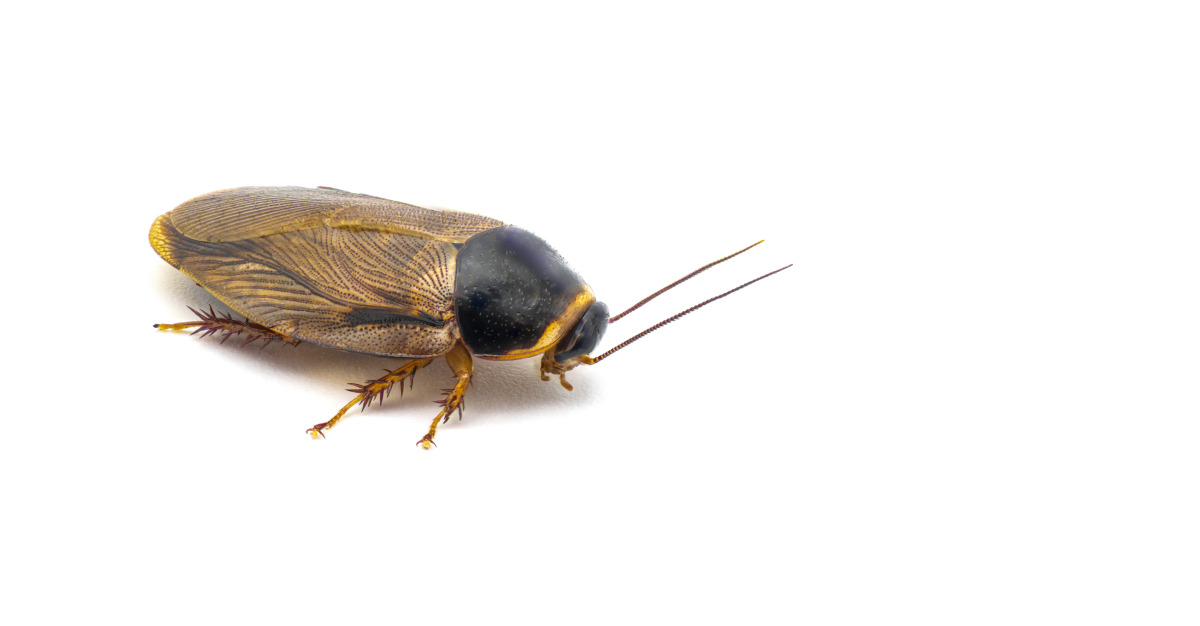
Surinam Cockroach Quick Facts

Size

Approximately 3/4 to 1 inch long

Color

Shiny dark brown to black, with brownish wings and a pale yellow margin behind the head

How to Identify

A broad, oval body with full-length wings and a distinct pale border along the front of the shield behind the head

Active Season

Active year-round in South Florida, especially in warm, moist soil and irrigated landscaping

Indoor or Outdoor

Primarily outdoors in soil, mulch, compost, and potted plants; it may be carried indoors with infested plants

Day or Night

Mostly active at night or while hidden beneath soil and debris; individuals may surface when soil is disturbed or overly wet.

Diet

Feeds on decaying plant material, roots, and other organic matter in soil and planting media.

About Surinam Cockroaches

The Surinam cockroach, Pycnoscelus surinamensis, is a tropical burrowing cockroach commonly encountered in Florida soil, mulch, compost, greenhouses, and potted plants. Adults are broad and dark, with wings covering the abdomen and a pale yellow margin along the front of the shield behind the head.

Unlike cockroaches that typically establish around kitchens or drains, this species is primarily associated with plants and moist organic material outdoors. It may become a concern when populations damage tender roots or when infested pots, nursery plants, or landscaping materials carry cockroaches into a home, office, atrium, or other planted space.

Where Are Surinam Cockroaches Commonly Found?

Soil and Landscape Habitats

Surinam cockroaches spend much of their time burrowed beneath the surface. Favorable outdoor locations include:

  • Moist garden soil and irrigated planting beds
  • Mulch, leaf litter, and decaying vegetation
  • Compost piles and organic landscape debris
  • Soil beneath stones, boards, logs, and planters
  • Greenhouses, nurseries, and shaded propagation areas
  • Potted tropical plants and moisture-retentive potting mixes

Indoor and Commercial Plantings

This cockroach usually reaches indoor spaces as a hitchhiker rather than by building a typical indoor infestation. It may arrive inside:

  • Houseplants moved from patios or gardens
  • New nursery plants and replacement potting soil
  • Planters used in malls, hotels, offices, and restaurants
  • Greenhouse stock and indoor atrium landscaping
  • Containers holding damp organic material

Once indoors, Surinam cockroaches tend to remain close to moist soil and plant roots. Finding them far from planted areas can make identification more difficult and may indicate that another cockroach species is present.

South Florida Conditions That Support Activity

South Florida’s warm temperatures, frequent irrigation, humid weather, and year-round landscaping can support this tropical species in every season. Dense mulch, overwatered pots, accumulated leaves, compost, and plants kept continuously moist provide especially suitable shelter.

Surinam Cockroach Behavior and Breeding

Burrowing and Feeding

Surinam cockroaches are adapted to life in soil. They hide below the surface during much of the day and may be exposed when a pot is repotted, mulch is turned, compost is moved, or saturated soil forces them upward. They feed on decaying plant material and may also consume living roots and tender plant tissue.

Unusual Reproduction

Established U.S. populations are composed primarily of females that can reproduce without mating, a process called parthenogenesis. The female forms an egg case and then draws it back into her body, where it remains until the young emerge. This can make a single infested pot capable of starting a new population under suitable conditions.

UF/IFAS reports that females average about three egg cases during their lifetime, with roughly 26 eggs in each case. Development from egg to adult may take about 160 to 220 days, depending on conditions.

Movement Around Properties

Adults have wings, but this species is most often noticed crawling or burrowing. Movement between locations commonly occurs when people relocate pots, soil, compost, nursery stock, or landscape materials. Warm, protected planted areas may allow populations to persist even when surrounding weather becomes less favorable.

Plant Damage and Other Concerns

Roots and Young Plants

Surinam cockroaches are primarily a landscape and greenhouse concern. Their feeding can injure roots and tender underground plant parts, particularly when many cockroaches are concentrated in a container or growing bed. Seedlings, newly rooted cuttings, and smaller plants may be more vulnerable than established landscaping.

Indoor Nuisance Activity

A cockroach emerging from an indoor planter can be unsettling, especially in hotels, offices, restaurants, retail spaces, and other customer-facing properties. However, finding Surinam cockroaches near plant soil does not automatically indicate the same sanitation or food-area infestation associated with German cockroaches.

Measured Health and Property Risk

This species is not known as a major structural pest and does not normally infest sound wood. The most relevant concerns are plant injury, recurring nuisance activity, and movement through infested soil or plants. Correct identification is important because dark cockroaches found indoors can be confused with species that require a different inspection and management plan.

When Are Surinam Cockroaches Active in South Florida?

South Florida’s subtropical climate allows Surinam cockroaches to remain active throughout the year. Populations are usually most successful where soil stays warm, shaded, and consistently moist.

Activity may become more noticeable during:

  • Warm, humid weather and the summer rainy season
  • Periods of frequent landscape irrigation
  • Repotting, transplanting, and nursery deliveries
  • Mulch replacement or compost handling
  • Heavy rain that saturates soil and brings hidden cockroaches to the surface
  • Movement of patio plants indoors before storms or cooler weather

During drier conditions, cockroaches may remain deeper in moist soil, beneath containers, or under organic debris. Indoor greenhouse and atrium populations can remain active regardless of the season when warmth and irrigation are consistent.

How Surinam Cockroaches Spread Through Potted Plants

Surinam cockroaches are frequently moved from place to place inside plant containers rather than by openly traveling through a building. Adults and nymphs can remain concealed in potting mix, beneath the root ball, under saucers, or inside moist organic debris. Because females in U.S. populations can reproduce without mating, one transported female may be enough to begin activity in another suitable planter.

Check plants before bringing them indoors, especially after they have rested directly on soil or mulch. Nursery stock, divided plants, reused pots, compost, and stored potting media also deserve attention. Finding repeated activity in several containers may indicate that the problem is connected to shared soil, irrigation practices, or newly introduced plant material.

Why DIY Surinam Cockroach Control Falls Short

Surinam cockroaches can be difficult to manage because most of the population may remain hidden below soil or inside a planter. Professional service becomes a practical next step when cockroaches repeatedly emerge from indoor plantings, appear in multiple pots, damage roots, spread through a greenhouse or atrium, or cannot be reliably distinguished from another cockroach species.

  • Treating Only Visible Cockroaches | Removing or spraying individuals on the soil surface may leave many nymphs and adults hidden deeper in the potting mix, mulch, or planting bed.
  • Misidentifying the Species | Surinam cockroaches can resemble other dark cockroaches. A treatment selected for a kitchen-infesting species may not address a population living in soil and plant material.
  • Missing the Breeding Material | Replacing a few visible cockroaches without inspecting infested pots, root balls, compost, and moist organic debris may allow reproduction to continue.
  • Overlooking Newly Introduced Plants | Nursery stock and potting media can bring cockroaches back into a treated area. Incoming plants may need to be inspected before placement.
  • Leaving Favorable Moisture Conditions | Constantly wet soil, dense mulch, leaf litter, and poorly drained containers can continue to provide the shelter this burrowing species needs.
  • Relying on One Surface Application | A single application may not reach cockroaches at different depths or life stages. Treatment must match the planting environment and inspection findings.
Surinam cockroach treatment in South Florida

Lower-Impact Options

When appropriate, we prioritize precise placement, monitoring, localized applications, plant and soil inspections, sanitation, and habitat changes to reduce unnecessary product use.

The Pest Busterzz Surinam Cockroach Treatment Approach

Pest Busterzz focuses on identifying the species, locating infested soil or plant material, reducing active populations, and addressing the conditions that allow Surinam cockroaches to return.

01

Inspection

We confirm the cockroach species and inspect potted plants, root zones, mulch, compost, greenhouse benches, indoor planters, irrigation patterns, and nearby organic debris for activity and breeding conditions.

02

Targeted Treatment

Based on the inspection, treatment may include localized treatment of infested planting areas, exterior management, breeding-site reduction, sanitation recommendations, and removal or replacement of heavily infested organic material. The plan depends on the plants, property, activity level, and location of the cockroaches.

03

Monitoring & Follow-Up

We monitor soil-surface activity and affected plants, evaluate results, adjust the plan when needed, and inspect newly discovered pots or planting areas. Follow-up timing depends on the extent of activity and conditions found.

04

Prevention

Recommendations may include avoiding overwatering, improving container drainage, reducing excessive mulch and leaf litter, inspecting new nursery plants, replacing heavily infested potting media when appropriate, and keeping compost or organic debris away from entrances.

Yes. Surinam cockroaches are established in Florida and are well suited to South Florida’s warm, humid conditions. They are most often found in moist soil, mulch, compost, greenhouses, nurseries, and potted plants rather than food-storage areas.

Adults are about 3/4 to 1 inch long, shiny dark brown to black, and broad-bodied. Their brownish wings cover the abdomen, and the shield behind the head has a noticeable pale yellow front margin. Professional identification is useful because several dark cockroach species can look similar.

They can feed on roots and tender underground plant material, particularly when populations build in pots, propagation beds, or greenhouses. Small plants, seedlings, and cuttings may be more vulnerable. They are not considered wood-destroying insects.

An infested plant, root ball, or bag of potting material may have carried them indoors. Consistently moist soil and decaying organic matter can allow them to remain in the container after it is moved inside.

They are not typically a kitchen-infesting species. Surinam cockroaches are primarily associated with soil and plants. A dark cockroach repeatedly found in cabinets, appliances, food areas, or drains may be another species and should be professionally identified.

Surinam cockroaches are not known for biting or stinging people or pets. Their main concerns are nuisance activity and possible feeding damage to plant roots. Pets should still be kept away from any pest-control products according to label directions.

A surface spray may kill exposed cockroaches without reaching individuals buried in soil or hidden in root balls and organic debris. Repeated activity usually requires identification of the infested material and correction of moisture and habitat conditions.

Possibly. Because this species spends much of its time underground, one visible adult may be only the individual that surfaced when soil was disturbed or saturated. Checking nearby pots, mulch, compost, and planting beds can help determine whether a larger population is present.

Recurring activity may come from untreated soil, hidden nymphs, newly introduced plants, wet mulch, compost, or additional infested containers. Their ability to reproduce without mating in U.S. populations also allows a small introduction to develop into a persistent problem.

Consider an inspection when cockroaches repeatedly emerge from indoor planters, affect multiple plants, appear in commercial landscaping, damage roots, or cannot be confidently identified. Pest Busterzz can evaluate the source and recommend a plan based on the specific property conditions.

Pest Busterzz Home Icon

faqs

Surinam Cockroach FAQs

Schedule a Surinam Cockroach Inspection in South Florida

If cockroaches are emerging from potted plants, mulch, greenhouse beds, or indoor landscaping, Pest Busterzz can identify the species and determine where activity is developing. We create a treatment plan based on the inspection findings and recommend practical changes that may reduce the moisture, soil, and organic material conditions allowing Surinam cockroaches to return.