

Pest Library
Thief Ant Control in South Florida
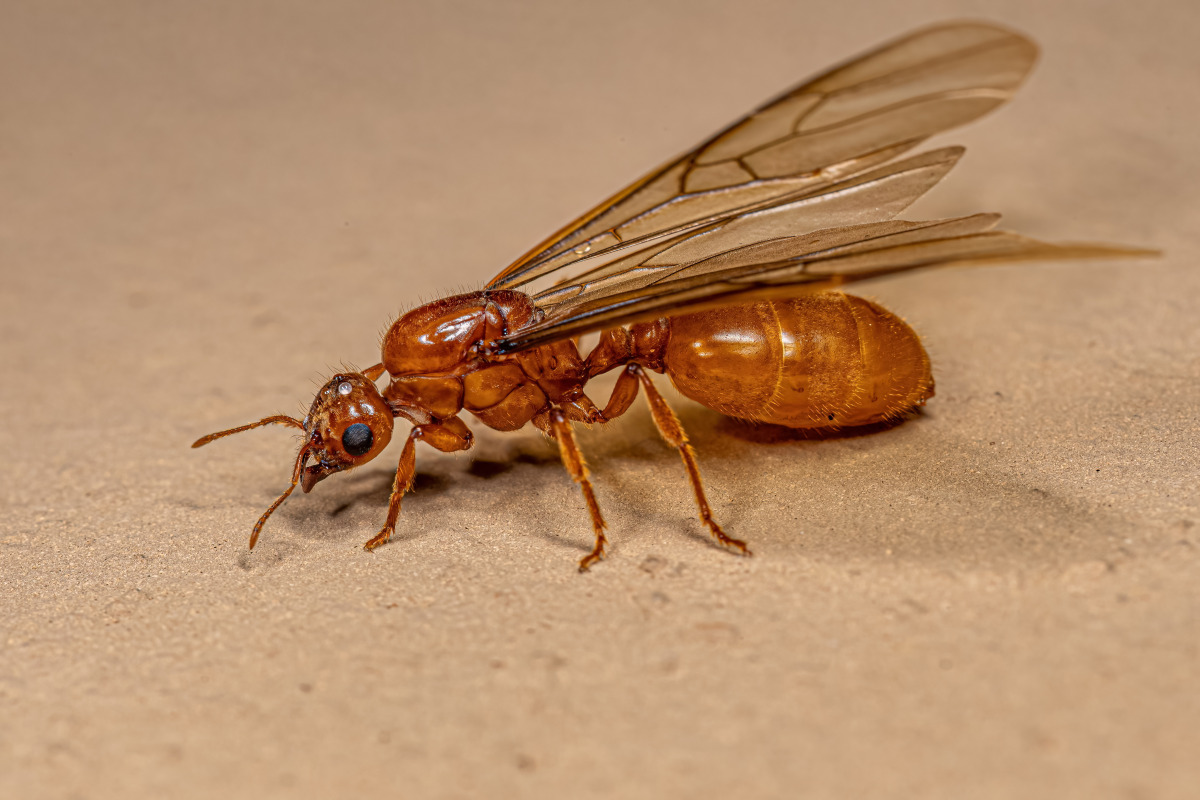
Thief Ant Quick Facts
Size
Approximately 1/32 to 1/16 inch long
Color
Pale yellow, golden yellow, or light brown
How to Identify
Extremely small workers with two waist nodes; professional identification is often needed because they resemble pharaoh ants
Active Season
Indoor colonies may remain active year-round in South Florida, while outdoor activity is most noticeable during warm weather
Indoor or Outdoor
Found indoors and outdoors, including soil, wall voids, cabinets, baseboards, and spaces near other ant colonies
Day or Night
Thief ants may forage during the day or at night, but their tiny concealed trails are easiest to notice when food is available.
Diet
Thief ants favor grease, oils, meat, cheese, nuts, seeds, dead insects, and the larvae or pupae of other ants.
About Thief Ants
Why You May Not Be Able to Eradicate Thief Ants On Your Own
DIY efforts may reduce visible thief ant workers without reaching the concealed colony. Professional inspection becomes more practical when ants repeatedly enter packaged foods, appear in several rooms, emerge from structural gaps, or cannot be distinguished from pharaoh ants.

Lower-Impact Options
When appropriate, we prioritize monitoring, precise bait placement, sanitation, exclusion, and localized applications to reduce unnecessary product use.
The Pest Busterzz Approach to Thief Ant Treatment
Pest Busterzz focuses on identifying thief ants, locating concealed nesting areas, and correcting the food, moisture, and access conditions that support recurring activity.
Inspection
We confirm the ant species and inspect cabinets, pantries, baseboards, countertops, appliances, plumbing openings, wall gaps, utility penetrations, exterior foundations, soil, and nearby ant nesting areas.
Targeted Treatment
Based on the inspection, treatment may include carefully selected baiting, localized treatment, crack-and-crevice applications, accessible void treatment, exterior management, exclusion, and sanitation recommendations.
Monitoring & Follow-Up
We monitor trails, evaluate bait acceptance, and inspect new areas where workers appear. Follow-up timing depends on nest distribution, food availability, surrounding conditions, and treatment response.
Prevention
Recommendations may include cleaning grease and food residue, storing oily and protein-rich foods in tightly sealed containers, repairing leaks, sealing utility openings, reducing clutter, and inspecting incoming boxes.
faqs