

West Indian Drywood Termite

Pest Busterzz Home Icon

Pest Library

West Indian Drywood Termite
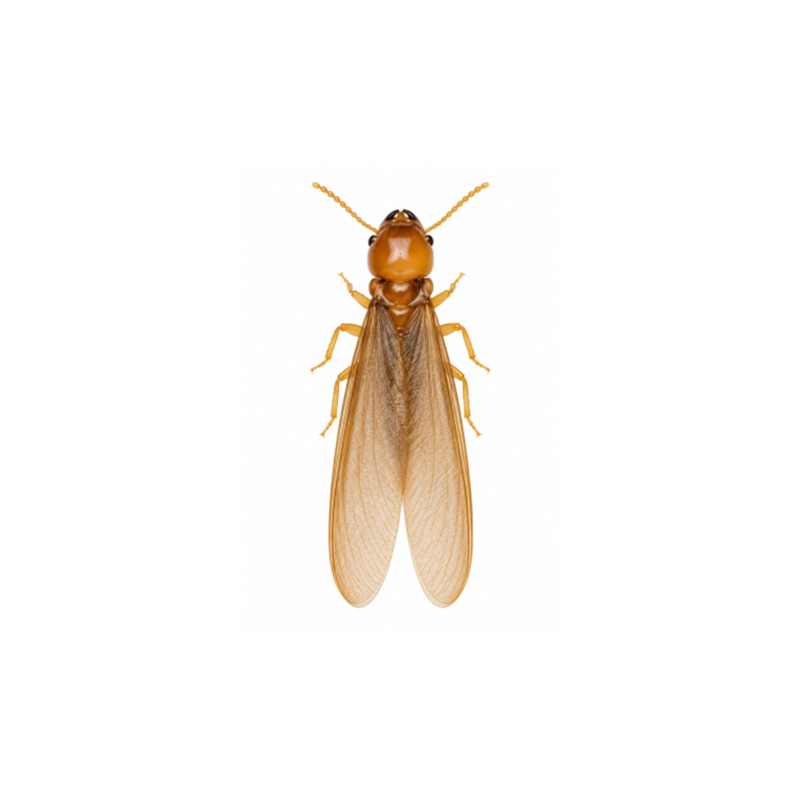
West Indian Drywood Termite Quick Facts

Size

Winged adults about 0.4 inches long including wings; soldiers roughly 1/6 to 1/5 inch long

Color

Winged forms medium brown; soldiers pale with nearly black, wrinkled head; others creamy white

How to Identify

Six-sided fecal pellets from tiny kick-out holes, or soldiers with dark plug-shaped heads resembling a burnt match tip

Active Season

Year-round in South Florida; dispersal flights most common from April through June

Indoor or Outdoor

Almost exclusively indoors in structures and wooden items; rarely established in outdoor natural wood in Florida

Day or Night

Dispersal flights usually evening or night and drawn to lights; feeding continues inside wood at any hour

Diet

Sound, dry hardwood and softwood including structural lumber, furniture, doors, window frames, and smaller wooden articles

About West Indian Drywood Termites

The West Indian drywood termite, Cryptotermes brevis, is a social insect that lives its entire life inside dry wood. Unlike subterranean termites, it needs no contact with soil and obtains moisture from the wood itself and from its own metabolism. In South Florida it is one of the most common structure-infesting drywood species, especially in older coastal neighborhoods and buildings that contain unprotected lumber. Homeowners and property managers most often notice it through piles of distinctive pellets, shed wings near lights, or soft, blistered wood surfaces. Because colonies can remain hidden for years while gradually hollowing out timber, the main concern is progressive damage to structural members, furniture, and finish woodwork.

These termites establish colonies only inside sound, moisture-protected wood that is shielded from direct rainfall. Typical sites include attic framing, roof sheathing, window and door frames, fascia, floor joists, hollow-core doors, cabinetry, picture frames, and furniture. Multiple independent colonies may occupy different pieces of wood within the same building. Entry usually begins when a winged pair finds a crack, joint, knot, or small opening in unfinished or poorly sealed lumber. South Florida’s warm climate, older housing stock with abundant untreated wood, and frequent movement of furniture and wooden goods all favor establishment. The species is almost never recovered from outdoor dead trees or natural forest wood in the region.

A colony consists of a royal pair, soldiers that block gallery entrances with their specialized heads, and pseudergates (false workers) that excavate tunnels, feed on wood, and care for the brood. Pseudergates create irregular galleries just beneath the surface, leaving a thin outer veneer intact. They periodically push hexagonal fecal pellets out through 1- to 2-millimeter kick-out holes. Mature colonies, often five or more years old, produce winged reproductives that leave on brief, weak evening flights, usually between April and June. After landing, the pair sheds its wings, tandem-runs, and seals itself inside a new nuptial chamber. Colonies grow slowly and can persist for more than a decade; a single structure may host many separate colonies.

The primary issue is gradual structural and cosmetic damage. Over time, galleries can weaken framing, doors, windows, and furniture, sometimes causing surfaces to blister or sound hollow when tapped. Pellets accumulate on floors, windowsills, and shelves, creating a nuisance and occasional slip hazard. Shed wings near lights or window frames signal that a mature colony is present somewhere nearby. The termite does not bite, sting, or transmit disease to people or pets, nor does it contaminate food. Its impact is limited to the wood it consumes. Because colonies remain hidden and multiple colonies can exist in one building, unnoticed activity may continue for years before visible signs appear.

In South Florida’s consistently warm climate, West Indian drywood termites remain active throughout the year inside protected wood. Dispersal flights peak from April through June, most often in the evening or at night when alates are attracted to exterior and interior lights. Flights can occasionally occur at other times if conditions are favorable. High humidity and mild temperatures support steady colony growth; there is no true dormant season. Indoor activity continues regardless of outdoor weather because the insects live entirely within the timber. Sudden indoor swarms usually indicate that at least one mature colony is already established in the structure or in nearby wooden items.

Why DIY West Indian Drywood Termite Control Falls Short

Spot sprays or over-the-counter products applied to visible pellets or swarmers rarely reach the hidden galleries deep inside wood. Colonies can number in the hundreds or more and may occupy inaccessible framing, wall voids, or attic members. Treating only the surface leaves eggs, soldiers, and the royal pair untouched, allowing activity to resume. Misidentification is common; other drywood species or even wood-boring beetles produce similar debris. Removing a single piece of furniture does not eliminate colonies already established in structural lumber. Reinfestation can also occur when winged termites from neighboring properties or stored wood items fly in. When pellets keep reappearing, wood sounds hollow, or swarms occur indoors, a professional inspection becomes the practical next step.

  • Treating Only Visible Signs | Spraying pellets or swarmers may kill exposed insects without reaching the colony hidden inside the wood.
  • Missing Hidden Galleries | Colonies often occupy framing, wall voids, attics, or furniture that surface treatments cannot reach.
  • Misidentification | Other drywood termites or wood-boring beetles can produce similar pellets, leading to the wrong approach.
  • Leaving Structural Colonies Intact | Removing one piece of furniture does not eliminate colonies already established in the building’s lumber.
  • Reinfestation Risk | Winged termites from neighboring properties or stored wood items can start new colonies after DIY efforts.
  • Incomplete Access | Wall voids, attics, and structural members are difficult for homeowners to treat thoroughly and safely.
West Indian drywood termite treatment in South Florida

Lower-Impact Options

Where appropriate, Pest Busterzz emphasizes precise placement of materials, exclusion of entry points, and targeted gallery treatments rather than broad applications, adjusting the strategy to the specific conditions found on site.

The Pest Busterzz Approach to West Indian Drywood Termite Treatment

Pest Busterzz focuses on identifying the pest, locating colonies within the wood, and selecting a treatment plan based on the inspection findings.

01

Inspection

We identify the termite species, map the locations of kick-out holes and pellet accumulations, probe susceptible wood, and evaluate attic, framing, and furniture areas where colonies are most likely to hide. Environmental factors such as unprotected lumber and entry points are noted.

02

Targeted Treatment

The plan is based on inspection findings, colony locations, and the amount of wood involved. Options may include localized treatments directed into galleries, whole-structure methods when activity is widespread, or removal of heavily damaged isolated items. The approach is selected only after the extent of infestation is clear.

03

Monitoring & Follow-Up

After treatment, activity is checked by watching for new pellets and re-examining previously active areas. Follow-up timing depends on the size of the infestation and conditions at the property. Newly discovered sites can be addressed as they appear.

04

Prevention

Recommendations focus on sealing cracks and joints in wood, reducing unprotected lumber surfaces, inspecting incoming furniture and wooden goods, and maintaining good ventilation in attics and crawl spaces. These steps help limit opportunities for new colonies to start.

West Indian drywood termites live entirely inside dry wood and produce six-sided pellets pushed from tiny holes. Subterranean termites build mud tubes and need soil contact. The absence of mud tubes and the presence of hexagonal pellets are strong clues that you are dealing with a drywood species.

The pellets are fecal material ejected by the colony through kick-out holes. Their six-sided shape is characteristic of drywood termites. Fresh piles usually mean an active colony is feeding nearby inside the wood.

They are more common in older buildings with unprotected lumber, but they can colonize newer wood as well. Furniture, doors, and picture frames of any age can harbor colonies if the wood is sound and dry.

A swarm of winged adults indoors usually means at least one mature colony is present in the structure or in wooden items nearby. Because multiple colonies can occupy the same building, professional inspection is recommended to assess the full picture.

Yes. West Indian drywood termites readily infest smaller wooden articles such as cabinets, headboards, doors, and picture frames in addition to structural lumber.

Dispersal flights are most frequent from April through June, typically in the evening or at night near lights. Flights can occur at other times of year under favorable conditions.

Cleaning removes the visible evidence but does not eliminate the colony living inside the wood. New pellets appear as the termites continue to feed and clear their galleries.

Schedule an inspection if you find recurring hexagonal pellets, blistered or hollow-sounding wood, indoor swarms, or shed wings near lights. Accurate identification and location of the colonies guide an effective response.

Pest Busterzz Home Icon

faqs

West Indian Drywood Termite FAQs