

White-Footed Ant

Pest Busterzz Home Icon

Pest Library

White-Footed Ant Control in South Florida
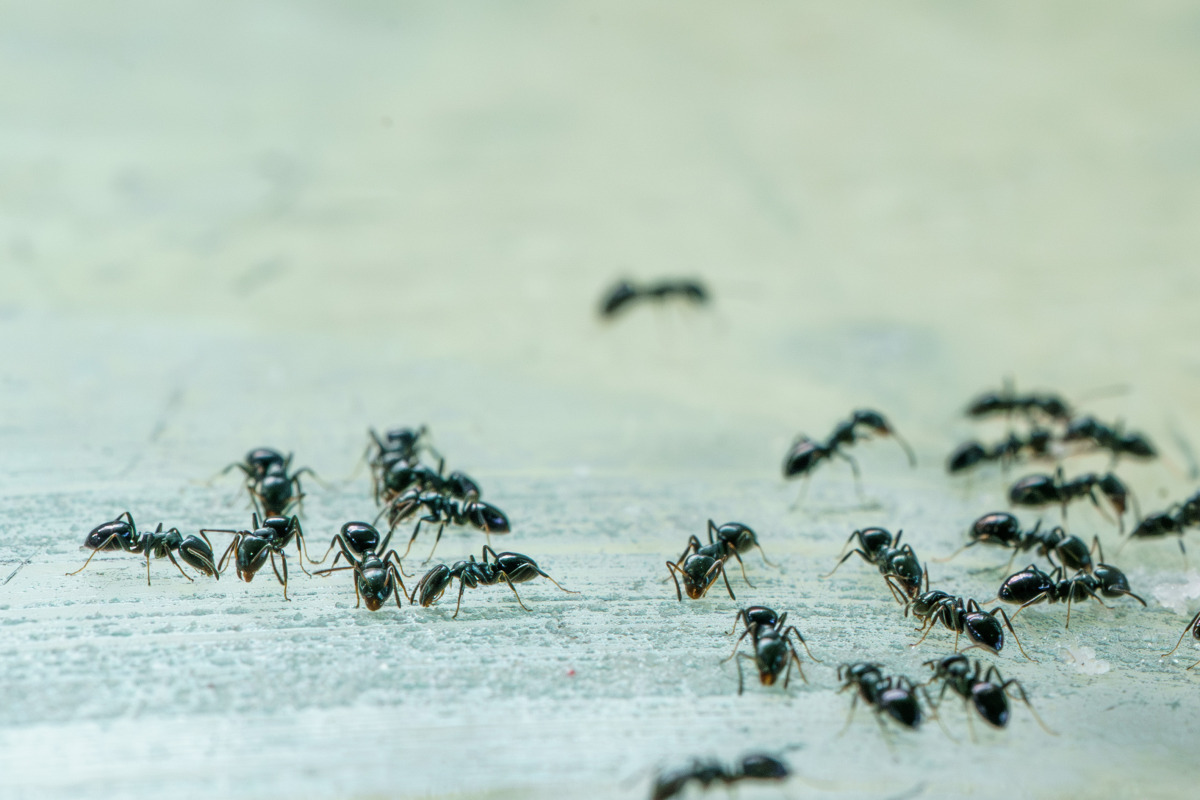
White-Footed Ant Quick Facts

Size

Approximately 1/8 inch long

Color

Dark brown to nearly black with pale yellowish-white feet

How to Identify

Dark body with distinctly pale feet; workers often travel in broad, active trails

Active Season

Active year-round in South Florida, with outdoor trails often most visible during warm, humid weather

Indoor or Outdoor

Primarily outdoors, but workers frequently enter buildings and may nest in wall voids or other protected spaces

Day or Night

White-footed ants may forage during the day or at night, with activity influenced by heat, moisture, shade, and food availability.

Diet

White-footed ants strongly favor sugary liquids and honeydew, but may also feed on nectar, dead insects, and household foods.

About White-Footed Ants

White-footed ants, Technomyrmex difficilis, are small dark ants named for the pale ends of their legs. They are well established in South Florida and often form very large, interconnected colonies around homes, commercial properties, trees, shrubs, and landscaped areas.

Workers commonly travel in broad trails along walls, foundations, branches, fences, utility lines, and roof edges. They frequently enter buildings while searching for sugary foods and moisture, even when most of the colony remains outdoors. White-footed ants do not damage sound wood and are not considered an important stinging pest. The main concern is persistent nuisance activity caused by numerous nesting sites and a steady supply of honeydew from landscape insects.

Where Are White-Footed Ants Commonly Found?

Outdoor Nesting Areas

White-footed ants usually establish most of their colony outdoors in protected, humid locations. Common sites include:

  • Tree trunks, branch crotches, and beneath loose bark
  • Shrubs, hedges, and dense ground cover
  • Leaf litter, mulch, and accumulated plant debris
  • Hollow stems, dead wood, and old insect galleries
  • Under stones, landscape timbers, and outdoor objects
  • Fence posts, utility boxes, and irrigation equipment
  • Roof edges, gutters, and spaces behind exterior trim
  • Areas near aphids, scales, mealybugs, and whiteflies

Indoor Hiding Places

Workers may enter through door gaps, windows, soffits, weep holes, utility penetrations, plumbing openings, and branches touching the structure. Indoors, they may use wall voids, attics, cabinet spaces, window frames, and protected areas near kitchens or bathrooms.

South Florida Conditions That Support Activity

Warm temperatures, high humidity, dense ornamental landscaping, frequent irrigation, and abundant honeydew-producing insects make South Florida especially favorable. Properties with trees or shrubs touching walls and roofs may provide direct travel routes into buildings.

White-Footed Ant Behavior and Attractants

Feeding Habits

White-footed ants strongly favor sweet liquids. Outdoors, workers collect honeydew from aphids, scales, mealybugs, and whiteflies. They also visit flowers for nectar and may scavenge dead insects. Indoors, trails may lead to syrup, spilled drinks, fruit, desserts, pet food, or moisture around sinks.

Large, Connected Colonies

A property may support many nesting pockets that function as part of one large colony. Workers and reproductive ants can occupy trees, shrubs, wall spaces, rooflines, and ground-level shelters at the same time. Treating one visible trail may leave many connected nesting areas active.

Trail Patterns

Workers often form busy, wide trails rather than a single narrow line. They may travel vertically up trunks and walls, cross fences and cables, and use vegetation as bridges to upper floors or roof openings.

Colony Feeding

White-footed ant colonies rely heavily on food shared through eggs produced by workers. This unusual feeding system can make some bait programs slower or less predictable than they are for ants that regularly exchange liquid food directly among adults.

White-Footed Ant Concerns

Persistent Nuisance Activity

White-footed ants are primarily nuisance pests. Large populations can create conspicuous trails on exterior walls, sidewalks, fences, trees, patios, pool areas, and interior surfaces.

Food and Business Concerns

Workers may enter kitchens, break rooms, food-storage areas, and customer-facing spaces. Their presence can be frustrating in homes and undesirable in restaurants, offices, hotels, healthcare properties, and apartment communities. Accessible food should be discarded when ants have entered it.

Property Damage and Stings

White-footed ants do not consume structural wood and are not known for damaging sound building materials. They are not considered an important biting or stinging pest. The main challenge is the size and distribution of the colony rather than direct injury or structural damage.

Landscape Associations

Heavy ant trails on shrubs or trees may indicate aphids, scales, mealybugs, or whiteflies producing honeydew. Addressing those plant-feeding insects may be an important part of reducing the food supply that supports the ants.

When Are White-Footed Ants Active in South Florida?

South Florida conditions allow white-footed ants to remain active throughout the year. Outdoor trails are often easiest to see during warm, humid periods when honeydew-producing insects and plant growth are abundant.

  • Rain may disrupt exposed nesting areas and move workers toward sheltered walls, rooflines, or indoor spaces.
  • Hot, dry weather can concentrate activity near irrigation, condensation, kitchens, bathrooms, and other dependable moisture sources.
  • Dense summer vegetation can create new bridges from trees and shrubs to buildings.
  • Cold fronts may slow visible movement temporarily without eliminating protected colonies.
  • Winged reproductive ants may appear during favorable warm-weather periods.

Because colonies occupy many connected sites, activity may disappear from one area and become noticeable elsewhere on the same property.

Why DIY White-Footed Ant Control Can Fail

White-footed ants can be difficult to manage because the trail seen indoors may represent only a small part of a much larger outdoor colony. Professional inspection becomes practical when trails repeatedly return, appear across several areas, extend from landscaping to the structure, or remain active despite sanitation and exclusion efforts.

  • Treating Only One Trail | A visible line of workers may connect to many nesting pockets in trees, shrubs, wall spaces, and ground-level shelters.
  • Relying on One Bait | White-footed ants strongly favor sweets, but competing honeydew and their unusual colony-feeding system can limit how well a single bait performs.
  • Using Repellent Sprays Along Trails | Repellent applications may shift activity to another route without reducing the connected colony.
  • Missing Outdoor Nesting Sites | Most colony activity may be distributed through trees, shrubs, mulch, rooflines, utility boxes, and exterior voids.
  • Leaving Honeydew Sources Untreated | Aphids, scales, mealybugs, and whiteflies can provide a steady sugar supply that supports large ant populations.
  • Overlooking Vegetation Bridges | Branches, vines, and hedges touching the building may continue giving workers direct access to walls, roofs, and upper floors.
white-footed ant treatment in South Florida

Lower-Impact Options

When appropriate, we prioritize monitoring, precise bait placement, exclusion, vegetation management, sanitation, and localized treatment to reduce unnecessary product use.

The Pest Busterzz Approach to White-Footed Ant Treatment

Pest Busterzz focuses on identifying white-footed ant activity, tracing connected nesting areas, and reducing the food, moisture, vegetation, and entry conditions that help colonies persist.

01

Inspection

We confirm the ant species, trace major trails, and inspect trees, shrubs, mulch, rooflines, wall voids, utility openings, irrigation areas, windows, and vegetation touching the building.

02

Targeted Treatment

Based on the inspection, treatment may include targeted baiting, localized nest or void treatment, exterior management, exclusion, vegetation adjustments, and attention to honeydew-producing insects. Methods depend on where the connected colony is nesting and feeding.

03

Monitoring & Follow-Up

We monitor trail activity, bait acceptance, exterior pressure, and newly discovered nesting areas. Follow-up timing depends on colony size, surrounding landscaping, weather, and treatment response.

04

Prevention

Recommendations may include trimming vegetation away from walls and roofs, managing honeydew-producing insects, sealing small openings, correcting leaks, adjusting irrigation, and reducing dense debris or shelter near the structure.

Yes. White-footed ants are well established in South Florida, where warm temperatures, humidity, dense landscaping, irrigation, and honeydew-producing insects can support large colonies throughout the year.

Workers have dark brown to nearly black bodies with noticeably pale ends on their legs. The light-colored feet are easiest to see against a dark surface or with close magnification.

No. They do not eat sound structural wood. They may nest in existing hollows, wall spaces, loose bark, or old insect galleries, but their main impact is nuisance activity rather than structural damage.

Workers often climb plants to collect honeydew from aphids, scales, mealybugs, and whiteflies. Heavy ant traffic may indicate that one or more of these plant-feeding insects are active.

Branches, vines, fences, cables, and exterior walls can act as travel routes from outdoor nests to soffits, gutters, attics, and upper-floor openings. The main colony may still be outside.

They are not considered an important biting or stinging pest. Their main concern is the large number of workers that may trail across landscaping, walls, patios, kitchens, and other occupied areas.

Usually not by itself. Contact spray may kill visible workers while leaving numerous connected nesting sites active. Repellent products may also move trails to a different route.

Bait can be useful, but results depend on placement, competing honeydew, colony size, weather, and the ants’ unusual food-sharing biology. Monitoring helps determine whether workers are consistently accepting it.

Recurring activity may come from untreated nesting pockets, nearby properties, vegetation touching the building, abundant honeydew, or entry points that remain open. Large colonies often require a coordinated exterior and interior approach.

Consider professional service when trails cover several parts of the property, repeatedly enter the building, extend through trees and rooflines, or remain active after cleaning, trimming, and DIY treatment.

Pest Busterzz Home Icon

faqs

White-Footed Ant FAQs