

Whiteflies

Pest Busterzz Home Icon

Pest Library

Whiteflies
Whiteflies Quick Facts

Size

Adults are typically about 1/16 inch long (roughly the size of a small gnat); immature stages are even smaller, flat, and scale-like.

Color

Adults appear white or yellowish-white due to a powdery wax covering on the body and wings; some species show faint gray or light brown bands on the wings.

How to Identify

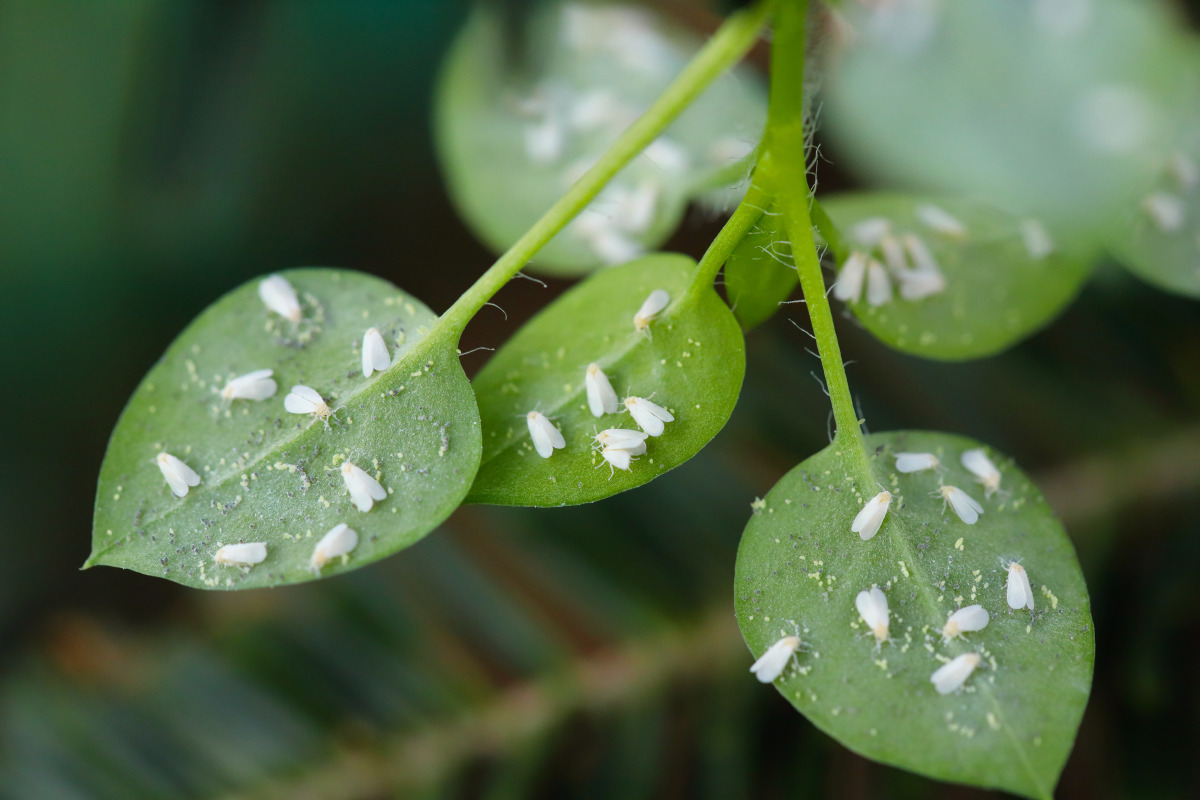
Tiny moth-like insects that fly up in a cloud when leaves are disturbed; look for sticky honeydew, black sooty mold, and clusters of immobile, oval nymphs on leaf undersides.

Active Season

Year-round in South Florida, with populations often building rapidly during warm, humid periods.

Indoor or Outdoor

Primarily outdoor pests of landscape plants, hedges, trees, and gardens; they may occasionally appear on indoor houseplants.

Day or Night

Mostly active during the day; adults take flight readily when plants are shaken or brushed.

Diet

Plant sap extracted from leaves and soft plant tissues with piercing-sucking mouthparts.

About Whiteflies

Whiteflies are small, soft-bodied insects in the family Aleyrodidae, more closely related to aphids and scale insects than true flies. In South Florida, several species commonly affect homes and businesses, including the silverleaf (sweetpotato) whitefly (Bemisia tabaci), ficus whitefly (Singhiella simplex), rugose spiraling whitefly (Aleurodicus rugioperculatus), and citrus whitefly (Dialeurodes citri). Adults look like tiny white moths and rise in visible clouds when infested foliage is disturbed. They thrive on ornamental hedges, palms, citrus, gardenias, hibiscus, and many other plants that fill South Florida landscapes. Homeowners and property managers notice them mainly because of yellowing leaves, sticky residue, black mold, and the gradual decline of valued plantings rather than direct structural problems.

Where Are Whiteflies Commonly Found?

Outdoor Habitats

Whiteflies live almost exclusively on plants. Adults and immature stages concentrate on the undersides of leaves, where eggs are laid and nymphs settle to feed. Common outdoor sites include:

  • Dense ficus hedges
  • Coconut palms and other palms
  • Gumbo limbo trees
  • Citrus trees
  • Viburnum, ligustrum, and gardenias
  • Hibiscus and other ornamental shrubs
  • Vegetable plantings and garden beds

Heavy vegetation, tightly pruned hedges, and overlapping plant canopies create ideal microclimates of humidity and shelter.

Indoor Occurrences

Whiteflies rarely enter buildings on their own. They can be brought indoors on potted plants or cuttings and may appear on houseplants, but they do not typically establish nesting sites in wall voids or structural areas.

South Florida Conditions That Support Activity

South Florida’s warm temperatures, high humidity, frequent irrigation, and year-round plant growth allow whitefly populations to persist and expand without a natural winter break. Risk may increase when a property has:

  • Dense or tightly pruned ornamental hedges
  • Overlapping plant canopies that trap humidity
  • Frequent irrigation that promotes soft new growth
  • Newly installed or transplanted host plants
  • Limited air circulation around plantings
  • Nearby untreated landscapes or shared hedges

Whitefly Behavior and Feeding

Feeding Habits

Whiteflies feed on plant sap with piercing-sucking mouthparts. Adults and nymphs both extract juices from leaves and soft plant tissues. Feeding produces sticky honeydew that coats leaves, stems, and surfaces below the plants. Some species also produce conspicuous white waxy deposits or spiral egg patterns.

Reproduction and Development

Adults lay eggs on leaf undersides. After hatching, the first-stage nymph (crawler) moves briefly before settling in place for the rest of its development. Later nymphal stages are immobile and resemble tiny scales. Females can produce dozens to hundreds of eggs, and development from egg to adult may take only a few weeks under warm conditions, allowing multiple overlapping generations.

Movement and Response to Disturbance

When leaves are disturbed, adults scatter in short, fluttering flights and rise in visible clouds. Populations build most quickly on lush, well-watered vegetation and can move readily from one host plant to another within a landscape.

Peak Activity

Activity occurs throughout the day. Populations often increase during warm, humid weather and after periods that encourage new plant growth, such as heavy rains or fertilization.

Damage and Concerns

Landscape and Plant Damage

Whiteflies are primarily landscape and garden pests. Their feeding weakens plants by removing sap, often causing yellowing, leaf drop, and reduced vigor. Heavy infestations of ficus whitefly can strip privacy hedges of foliage; rugose spiraling whitefly produces large amounts of white wax and honeydew that coat outdoor furniture, decks, cars, and walkways. Sooty mold grows on the honeydew, blackening leaves and reducing photosynthesis.

Plant Viruses

Certain species, especially the silverleaf whitefly, can transmit plant viruses that damage tomatoes and other vegetables.

Human and Pet Concerns

Whiteflies do not bite or sting people or pets, damage building structures, or contaminate indoor food supplies under normal conditions. The main issues for South Florida properties are aesthetic decline of landscaping, sticky residue, and the cost of replacing or rehabilitating heavily damaged plants.

When Are Whiteflies Active in South Florida?

In South Florida, whiteflies remain active throughout the year because temperatures rarely drop low enough to interrupt breeding. Populations often increase during the warm, humid months of spring through fall and can surge after periods of rainfall or heavy irrigation that promote new plant growth.

Multiple generations overlap continuously, so new adults continue emerging even while earlier stages are still present. Activity may appear to ease during brief cooler or drier spells but rarely disappears.

Sudden increases are often noticed after new plantings are introduced, after hedges are pruned (stimulating flush growth), or when natural enemies are disrupted.

Why DIY Whitefly Control May Fall Short

Home treatments can reduce visible adults for a short time but often leave the bulk of the population untouched. Professional service becomes the more practical next step when sticky honeydew and sooty mold continue to accumulate, when valued hedges begin to defoliate, or when activity keeps returning.

  • Treating Only Visible Adults | Contact sprays often kill only the adults that are flying or resting on leaf surfaces. Immobile nymphs and eggs on leaf undersides remain protected.
  • Incomplete Coverage | Over-the-counter products may not reach the dense interior of a mature hedge or the high canopy of a palm or gumbo limbo tree.
  • Rapid Reinfestation | Populations reinvade quickly from neighboring properties or untreated plants because whiteflies are highly mobile.
  • Life-Cycle Mismatch | Products that primarily target adults rather than all stages frequently result in temporary relief followed by rapid rebound as new adults emerge.
  • Overlooked Host Plants | Untreated plants elsewhere on the property or in neighboring landscapes continue to serve as sources of new adults.
whitefly treatment in South Florida

Lower-Impact Options

When conditions allow, Pest Busterzz prioritizes precise placement of treatments, support of beneficial insects, sanitation of heavily infested material, and cultural adjustments that make the landscape less favorable to whiteflies, reducing the need for broader product use.

The Pest Busterzz Whiteflies Treatment Approach

Pest Busterzz focuses on identifying the whitefly species involved, evaluating the extent of activity, and developing a treatment plan tailored to the plants and conditions on your property.

01

Inspection

We examine the affected plants, identify the whitefly species when possible, assess the extent of nymph and adult activity, and note the presence of honeydew, sooty mold, and plant stress. We also evaluate landscape conditions that favor continued breeding.

02

Targeted Treatment

Treatment plans are based on the specific whitefly species, host plants, severity of activity, and property layout. Approaches may include localized applications to foliage, soil or root-zone treatments for systemic uptake by the plants, habitat adjustments, and recommendations that support natural enemies already present in the landscape.

03

Monitoring & Follow-Up

Because whiteflies complete multiple generations quickly in South Florida, follow-up visits check remaining activity, evaluate plant recovery, and adjust the plan if new host plants or reinfestation sources appear. Timing depends on the species and conditions found at the property.

04

Prevention

Practical steps include inspecting new plants before installation, avoiding unnecessary nitrogen fertilization that produces soft new growth, improving air circulation through selective pruning, managing irrigation to avoid prolonged leaf wetness, and removing heavily infested material when practical.

Adults are tiny, white, moth-like insects that rise in a cloud when leaves are disturbed. Look underneath leaves for flat, oval, scale-like nymphs and sticky honeydew. Professional identification is helpful because several species occur in South Florida and look similar at a glance.

Ficus whitefly is a common cause of rapid yellowing and leaf drop on weeping fig and other Ficus species. Heavy populations can strip a hedge of foliage in a single season if left unchecked.

They are primarily outdoor plant pests. They may appear on indoor plants if an infested specimen is brought inside, but they do not typically establish nesting sites in wall voids or structural areas.

No. They do not bite or sting humans or animals. The main problems are plant damage, sticky honeydew, and the black sooty mold that grows on it.

Contact sprays often kill only exposed adults. Eggs and nymphs remain on the undersides of leaves, and new adults continue to emerge or fly in from nearby untreated plants. South Florida’s climate supports continuous generations.

Activity occurs year-round. Populations frequently increase during warm, humid months and after periods that encourage new plant growth, such as heavy rains or fertilization.

Yes. Adults readily fly short distances between host plants. Dense landscaping and shared hedges make movement especially easy.

Severely defoliated hedges or trees sometimes recover once whitefly pressure is reduced and plant health is restored. An inspection can help determine whether recovery is realistic or whether replacement is the more practical long-term choice.

Pest Busterzz Home Icon

faqs

Whiteflies FAQs