

Pest Library
Tick Control in South Florida
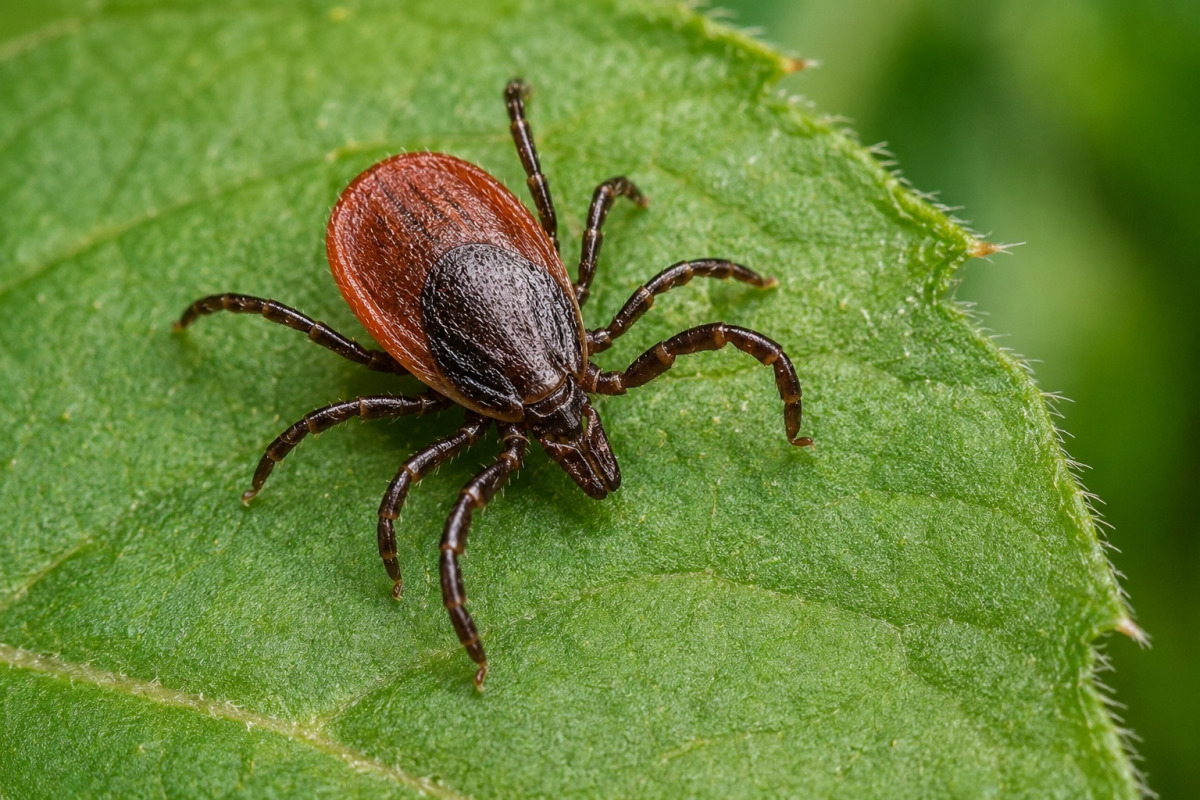
Ticks Quick Facts
Size
Usually about 1/8 to 1/4 inch before feeding; engorged females may become much larger
Color
Reddish-brown, dark brown, or black; markings and color vary by species and feeding stage
How to Identify
Small, flattened arachnids with eight legs as nymphs and adults; attached ticks may swell after feeding
Active Season
Possible year-round in South Florida, with activity varying by species, host availability, heat, and humidity
Indoor or Outdoor
Mostly outdoors on vegetation, animals, and shaded ground; brown dog ticks can also establish indoors
Day or Night
Ticks do not follow a simple day-or-night schedule; they wait for passing hosts when conditions are suitable.
Diet
Blood from mammals, birds, reptiles, or other animals, depending on the tick species and life stage.
About Ticks
How DIY Tick Control Can Fall Short
A single visible tick may be removed, but recurring activity can involve hidden life stages, multiple outdoor sources, pets, wildlife, or an indoor brown dog tick population. Professional inspection may be practical when ticks repeatedly appear, occur in several rooms, affect pets, or cannot be confidently identified.

Lower-Impact Options
When appropriate, Pest Busterzz may prioritize inspection, precise exterior treatment, targeted crack-and-crevice work for brown dog ticks, monitoring, and habitat recommendations to reduce unnecessary product use.
The Pest Busterzz Ticks Treatment Approach
Pest Busterzz develops a tick management plan from the species, property conditions, host activity, and locations identified during inspection.
Inspection
We inspect areas used by people, pets, rodents, and wildlife; evaluate vegetation, leaf litter, kennels, pet bedding, cracks, and indoor hiding areas; and determine whether the pattern suggests outdoor exposure or an indoor brown dog tick problem.
Targeted Treatment
Based on the findings, treatment may include localized exterior management, targeted applications to protected harborages, crack-and-crevice treatment where appropriate, and recommendations for pet, sanitation, or habitat management. The plan depends on the species and activity pattern.
Monitoring & Follow-Up
We evaluate whether sightings and host exposure are declining, inspect newly reported areas, and adjust the plan when additional outdoor sources or indoor hiding sites are discovered.
Prevention
Recommendations may include mowing grass, clearing leaf litter and brush, moving pet rest areas away from property edges, washing or replacing infested bedding, reducing rodent and wildlife shelter, and coordinating pet prevention with a veterinarian.
faqs