
How Do You Get Rid of Ticks and Chiggers in a South Florida Backyard?
The best way to get rid of ticks and chiggers in a South Florida backyard is to combine regular lawn maintenance, removal of moist and overgrown hiding places, personal bite prevention, and targeted professional pest control when activity persists. Keeping grass short, trimming vegetation, clearing leaf litter, and treating problem areas can significantly reduce the conditions these pests need to thrive.
For South Florida homeowners, a backyard should be a place to relax, entertain, play, and spend time with pets, not a place that leaves everyone scratching afterward. Pest Busterzz understands how Florida’s warm, humid environment can create favorable conditions for outdoor pests, including ticks and chiggers. Our approach focuses on identifying where pest activity is coming from and addressing the conditions that allow populations to persist. Instead of simply reacting to bites, homeowners can take practical steps to make their yards less inviting to these pests. With knowledgeable pest management, attentive customer care, and solutions tailored to South Florida properties, Pest Busterzz helps families feel more comfortable enjoying their outdoor spaces.
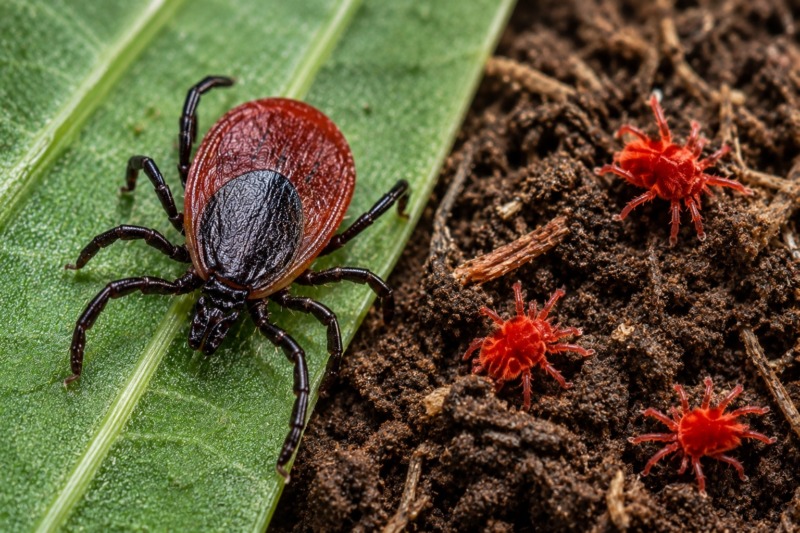
Tick and Chigger Control for South Florida Yards
Ticks and chiggers are both associated with outdoor environments, but they are not the same pest. Understanding where they live and why they appear is an important first step toward controlling them.
UF/IFAS identifies chiggers as the larval stage of mites in the family Trombiculidae. They can cause intensely itchy reddish welts, but chiggers in Florida are not known to transmit human disease agents. Ticks require greater caution because several tick species found in Florida are capable of transmitting disease.
Why Are Ticks and Chiggers So Common in Florida Backyards?
Florida’s mild winters and warm climate allow ticks to remain active for much of the year. UF/IFAS notes that Florida yards may encounter species including the American dog tick, lone star tick, blacklegged tick, and brown dog tick. Ticks particularly favor shaded, humid environments where they can wait for people, pets, or wildlife to pass nearby.
Chiggers also benefit from favorable outdoor conditions. According to UF/IFAS, they are commonly found in areas with dense vegetation, including low, damp locations and areas with shrubs and small trees where rodents are present. They can also persist in residential lawns.
In South Florida, homeowners should pay particular attention to:
- Tall or overgrown grass
- Dense shrubs and groundcover
- Leaf litter and landscaping debris
- Shady, humid sections of the property
- Weeds along fences and property lines
- Areas regularly visited by rodents or other wildlife
- Yard edges adjoining thick vegetation
Ticks and chiggers may not be evenly distributed across an entire property. Certain shaded or overgrown sections can become concentrated problem areas, which is why identifying pest hotspots is so important.
What Is the Fastest Way to Reduce Ticks and Chiggers in Your Yard?
Start by removing the habitat that helps these pests survive. Mowing, trimming shrubs, removing weeds, clearing leaf litter, and reducing unnecessary yard debris can make outdoor areas less favorable for both ticks and chiggers.
UF/IFAS specifically recommends frequent mowing and clearing shrubbery and weeds as methods of reducing chigger habitat. For ticks, UF/IFAS recommends keeping lawns short, trimming shrubs and low branches to increase sunlight and airflow, removing brush and debris, and controlling weeds around fences and landscape edges.
South Florida homeowners can start with a simple backyard checklist:
- Mow regularly. Avoid allowing grass to become excessively tall or dense.
- Trim overgrown landscaping. Increase airflow and sunlight around shrubs and gathering areas.
- Remove leaf litter. Pay attention to fences, tree bases, sheds, and landscape beds.
- Clean up brush and debris. These materials can provide shaded shelter.
- Address wildlife activity. Secure trash containers and reduce conditions that attract rodents and other potential hosts.
- Focus on high-use areas. Patios, children’s play areas, pet zones, walkways, and seating spaces deserve particular attention.
Habitat management can make a major difference, but persistent infestations may require targeted pest control rather than relying on landscaping changes alone.
How Can You Prevent Tick and Chigger Bites While Outside?
The most reliable approach is to reduce exposure and check yourself promptly after spending time in potential pest habitat. The Florida Department of Health recommends walking in the center of trails, conducting regular tick checks, showering soon after coming indoors, preferably within two hours, and keeping vegetation near the home trimmed.
EPA-registered repellents can provide another layer of protection. The Florida Department of Health lists active ingredients including DEET, picaridin, IR3535, oil of lemon eucalyptus, PMD, and 2-undecanone among repellent options for preventing tick bites when products are used according to their labels.
After outdoor activities, check yourself, children, and pets carefully. For tick prevention products appropriate for dogs and cats, the Florida Department of Health recommends consulting a veterinarian.
Are Chiggers and Ticks Dangerous?
Ticks can transmit disease, while Florida chiggers are primarily an irritation concern. UF/IFAS reports that chiggers in Florida are not known to transmit human disease agents, although their bites can cause intense itching and welts, and scratching can contribute to secondary infection.
Ticks are different. The Florida Department of Health notes that tick-borne illnesses can occur throughout the year in Florida and identifies diseases associated with ticks including Lyme disease and Rocky Mountain spotted fever. Florida also has tick species associated with ehrlichiosis and spotted fever group infections.
Prompt tick removal matters. Florida health officials note that removing attached ticks quickly can reduce the risk associated with certain tick-borne infections.
If you develop concerning symptoms after a tick bite, contact a healthcare professional and mention the bite.
When Should You Call a Pest Control Professional?
Professional pest control is worth considering when bites or pest activity continue despite regular mowing, vegetation management, and other preventive measures.
A professional inspection can help identify where ticks or chiggers are most likely to be concentrated and which environmental conditions are contributing to the problem. This allows treatments to focus on likely pest habitats rather than unnecessarily treating every inch of the property.
For South Florida homeowners, professional tick and chigger control can be especially valuable when a property has dense landscaping, shaded areas, frequent wildlife activity, pets that spend significant time outdoors, or recurring pest problems.
Pest Busterzz can help homeowners develop a practical strategy that combines targeted pest management with recommendations for reducing future activity.
Frequently Asked Questions About Ticks and Chiggers in Florida
Do chiggers burrow under your skin?
No. UF/IFAS explains that the common belief that chiggers embed themselves in the skin is incorrect. Chiggers attach to the skin and feed on liquefied tissue before eventually being removed or dislodged.
Can chiggers spread disease in Florida?
Chiggers in Florida are not known to transmit human disease agents, according to UF/IFAS. Their bites can still produce intense itching, reddish welts, and irritation.
Are ticks active year-round in Florida?
Yes, tick-borne diseases can occur throughout the year in Florida, although spring and summer are the most common seasons for tick activity and exposure.
Where do ticks hide in a backyard?
Ticks favor shaded, humid environments and are often associated with tall grass, weeds, leaf litter, brush, and vegetation along property edges. Keeping these areas maintained can make a yard less suitable for ticks.
Reclaim Your South Florida Backyard From Ticks and Chiggers
You should not have to avoid your lawn because every trip outside ends with checking for ticks or dealing with itchy bites. Reducing overgrown vegetation, clearing pest-friendly hiding places, practicing personal protection, and addressing persistent activity with professional pest control can help make your outdoor spaces more comfortable again.
Ready to reclaim your backyard from ticks and chiggers? Contact Pest Busterzz today to schedule professional pest control service in South Florida.