
What Are the Warning Signs You Need Pest Control Immediately?
You should call for pest control immediately in South Florida if you notice repeated pest sightings, droppings, gnaw marks, nests, unusual odors, termite wings, wood damage, or pests appearing during the daytime. These signs can indicate an active or growing infestation that may threaten your property, contaminate living spaces, or become more difficult to control if treatment is delayed.
At Pest Busterzz, we understand that South Florida homeowners do not just want pests removed. They want to know why pests are there, how serious the problem is, and how to keep them from coming back. Our approach focuses on identifying the pest, locating activity and entry points, and recommending a practical solution based on the conditions around your property. That is especially important in South Florida, where warmth, moisture, landscaping, heavy rain, and year-round pest activity can create favorable conditions for cockroaches, ants, rodents, mosquitoes, termites, and other unwanted visitors. When warning signs appear, acting early can help prevent a manageable pest problem from becoming a much larger one.
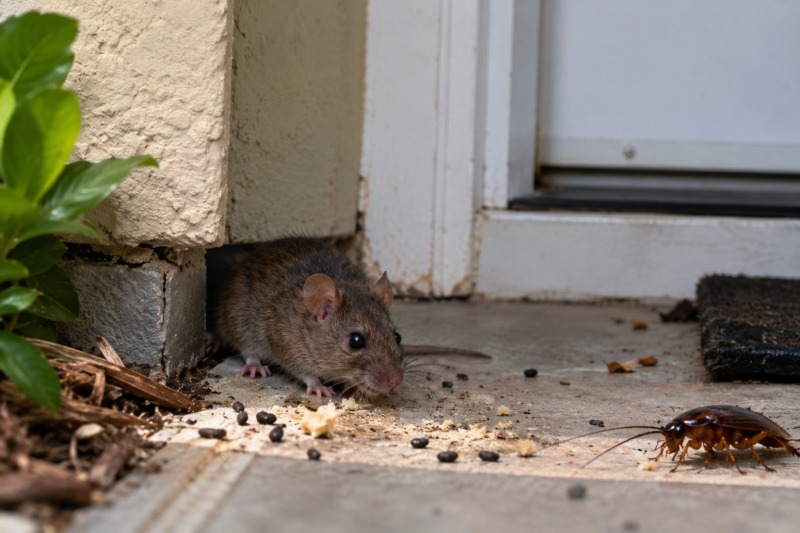
How to Tell When a South Florida Pest Problem Needs Professional Attention
Not every bug that wanders indoors means you have a major infestation. A single outdoor cockroach near a doorway after heavy rain, for example, may be an isolated intruder. Repeated sightings or physical evidence of pests inside the home are different.
The EPA recommends an Integrated Pest Management approach that combines prevention with targeted control methods. This means addressing the food, water, shelter, and access points pests need instead of relying only on repeated pesticide applications.
1. Are You Seeing Pests More Often or During the Day?
Frequent sightings, especially sightings during times or in places where a pest normally stays hidden, are a strong reason to investigate further.
Cockroaches are a good example. According to the University of Florida’s Institute of Food and Agricultural Sciences (UF/IFAS), cockroaches generally hide in dark, protected areas during the day and emerge to feed at night. They may shelter behind cabinets, around pipes, beneath appliances, near bathrooms, or inside cracks and crevices.
Pay attention if you notice:
- Multiple cockroaches over several days
- Rodents repeatedly moving through the home
- Ant trails that return after cleaning
- Numerous insects emerging from one location
- Pests in kitchens, pantries, bedrooms, or bathrooms
- Activity that continues after basic sanitation and exclusion measures
Repeated activity usually deserves more attention than simply eliminating the pests you can see.
2. What Pest Droppings, Gnaw Marks, or Nests Mean Trouble?
Droppings, gnaw marks, nesting material, and damaged food packaging can indicate rodents are already living or traveling inside the structure.
The Centers for Disease Control and Prevention says homeowners may notice evidence of rodents before actually seeing a rat or mouse. The CDC specifically identifies droppings and gnaw marks as common signs of rodent presence. The EPA also lists nesting materials, chewed food packaging, holes in walls or floors, and stale odors from hidden spaces as warning signs.
Do not ignore evidence in garages, attics, pantries, under sinks, or behind appliances. Rodents can contaminate areas with urine, droppings, and saliva, and the CDC notes that rodents can carry diseases that spread directly or indirectly to people.
If you discover rodent droppings, avoid immediately sweeping or vacuuming them. The CDC advises wetting droppings with an appropriate disinfectant before removal because sweeping or vacuuming can put contaminated particles into the air.
3. Do Termite Wings or Wood Damage Require Immediate Pest Control?
Yes. Discarded wings, termite swarmers, damaged wood, or other suspected termite activity should be evaluated promptly because termites can remain hidden while damaging structural wood.
Termites deserve particular attention in South Florida. UF/IFAS reports that termites are active year-round in Florida, with swarming commonly occurring between March and June. Researchers recommend responding promptly to signs such as dropped wings near windows or molding and damaged or decayed wood.
The regional risk is significant. University of Florida researchers reported in 2026 that projections remain on track for about half of structures in urban South Florida to be at risk of infestation by one or both invasive termite species around 2040.
Watch for:
- Discarded wings near windows or doors
- Swarming insects indoors
- Wood that appears damaged or weakened
- Small pellets or other suspected termite evidence
- Recurring termite activity near the structure
Different termite species can require different control strategies, so correct identification matters. UF/IFAS recommends contacting a pest management professional when a termite problem is suspected.
4. When Do Pest Odors or Allergy Symptoms Signal a Bigger Problem?
Persistent unexplained odors combined with pest evidence can indicate hidden activity, while cockroach and rodent contamination can also affect indoor environmental quality.
A stale or unusual smell behind cabinets, inside walls, or in storage areas can accompany rodent activity. More importantly, some household pests can create health concerns beyond the unpleasant sight of an insect or mouse.
According to the EPA, proteins in cockroach feces and saliva can cause allergic reactions or trigger asthma symptoms in some people. The agency also notes that mice and cockroaches can contribute to asthma symptoms and allergic reactions.
If pest evidence is appearing near food preparation areas, children’s rooms, or other frequently occupied spaces, professional evaluation should not be unnecessarily delayed.
5. Why Can Pest Problems Escalate Quickly in South Florida?
South Florida’s warm, humid environment provides many pests with the moisture and temperatures they need to remain active for long periods.
UF/IFAS notes that mosquitoes are attracted to warm temperatures, humid areas, shade, and standing water, conditions that are common around South Florida properties. Florida has about 80 mosquito species, according to UF/IFAS.
Cockroaches also favor warm, moist environments. UF/IFAS recommends addressing plumbing leaks, standing water, clutter, cracks, landscaping near the structure, and other conditions that provide food, moisture, shelter, or access.
For homeowners, the practical lesson is simple: do not judge a pest problem only by how many insects or rodents you can see. Hidden nesting areas, moisture sources, entry points, and favorable outdoor conditions can allow activity to continue.
Frequently Asked Questions About Pest Control in South Florida
How do I know if I have a pest infestation?
Repeated pest sightings, droppings, nests, gnaw marks, damaged packaging, unusual odors, termite wings, or property damage can all indicate an infestation. Multiple signs or evidence that keeps returning after cleanup are strong reasons to schedule an inspection.
Is seeing one cockroach a reason to call pest control?
One cockroach does not automatically prove a major infestation, especially in South Florida where outdoor species may occasionally enter homes. Repeated indoor sightings, daytime activity, egg cases, droppings, or cockroaches appearing in kitchens and bathrooms deserve closer attention.
Should I call pest control if I find mouse droppings?
Yes, especially if fresh droppings reappear after proper cleanup. The CDC says new droppings after an area has been safely cleaned can indicate active rodent presence, and early control is easier than waiting for rodents to become established.
Can I wait if I suspect termites but do not see major damage?
Waiting is not recommended. Termite infestations can be difficult to assess without proper identification and inspection, and UF/IFAS recommends professional help when termites are suspected.
Do Not Wait for a Small Pest Problem to Get Bigger
Pests rarely become easier to manage when they are given more time to feed, reproduce, nest, or spread into new areas. If you are finding recurring pests, droppings, rodent damage, termite evidence, nests, or other warning signs, an inspection can help determine what is happening and what should be done next.
Ready to protect your South Florida home? Contact Pest Busterzz today to schedule professional pest control service and stop unwanted pests before the problem grows.