

Pest Library
Lubber Grasshopper
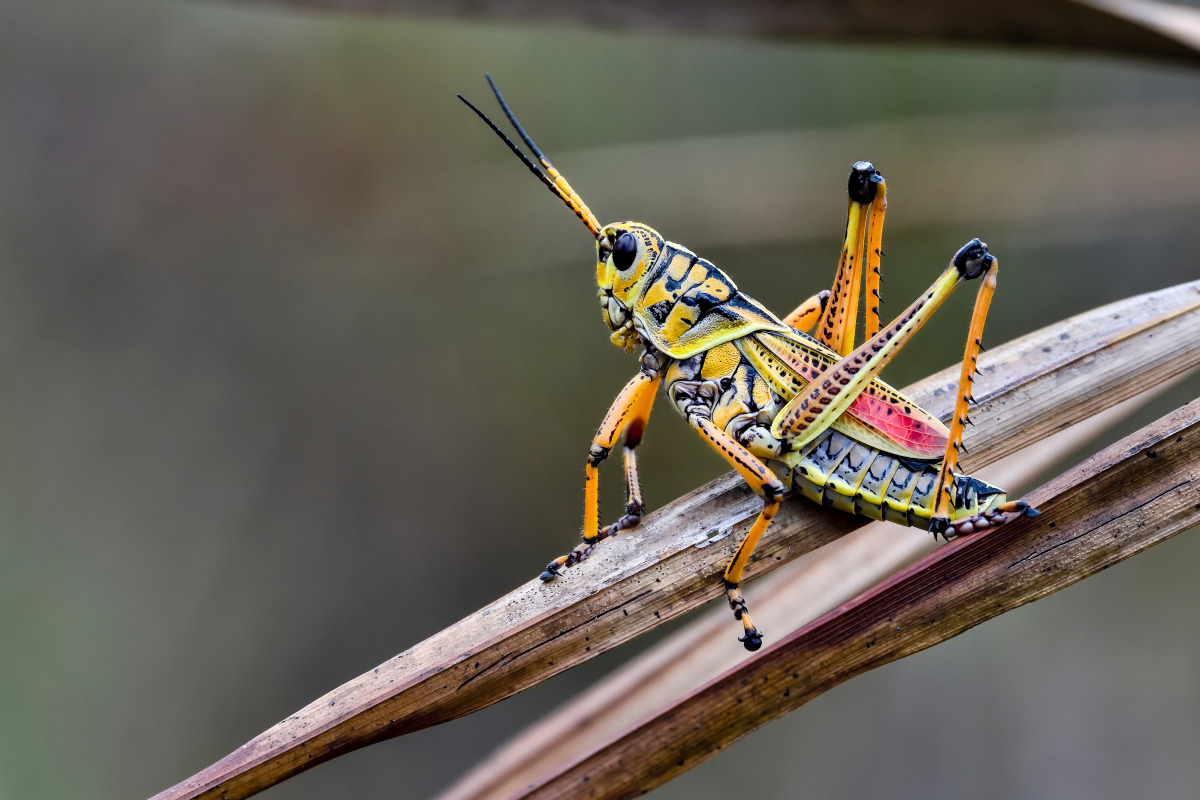
Lubber Grasshopper Quick Facts
Size
Adults typically measure 1¾–3½ inches long; females are usually larger than males
Color
Adults are often yellow or tawny with black accents; nymphs are mostly black with a yellow, orange, or red stripe down the back
How to Identify
Large, heavy-bodied, slow-walking grasshoppers with short wings that cannot fly; strong climbers that often rest on plants
Active Season
Present much of the year in South Florida, with peak numbers often in summer
Indoor or Outdoor
Primarily outdoor; most often found in gardens, landscapes, and nearby vegetation
Day or Night
Active during the day; may climb vegetation at night
Diet
Broadleaf plants, including many ornamentals, vegetables, citrus, and certain weeds
About Lubber Grasshoppers
Why DIY Lubber Grasshopper Control May Fall Short
Hand-picking or simple sprays may reduce visible adults or older nymphs, yet several factors often limit lasting results. Professional service becomes the better next step when numbers are high, plants are already being heavily damaged, or the source of ongoing reinfestation is unclear.

Lower-Impact Options
Where suitable, emphasis is placed on physical removal guidance, targeted placement, habitat modification, and monitoring rather than broad applications.
The Pest Busterzz Approach to Lubber Grasshopper Treatment
Pest Busterzz focuses on identifying the grasshoppers present, evaluating the extent of activity, and addressing the conditions that support feeding and reinfestation.
Inspection
We identify the grasshoppers present, assess the extent of activity, locate preferred feeding plants, and check nearby moist or vegetated areas that may support hatching and dispersal.
Targeted Treatment
The service plan is shaped by what the inspection reveals—activity level, plant types affected, and site conditions. Options may include localized treatment of active areas, habitat adjustment recommendations, and exterior management focused on reducing numbers where they are concentrated.
Monitoring & Follow-Up
Follow-up visits evaluate whether activity has declined, watch for new hatchlings or dispersing individuals, and adjust recommendations if conditions change. Timing depends on the life stage found and the property’s surroundings.
Prevention
Practical steps include reducing dense undergrowth and excess moisture near garden beds, monitoring preferred plants in spring for early clusters of nymphs, and maintaining tidy landscape edges so new arrivals are easier to notice.
faqs