
Sugar Ants in Florida: Why They’re So Hard to Stop
How to Get Rid of Sugar Ants in South Florida Homes Before They Take Over
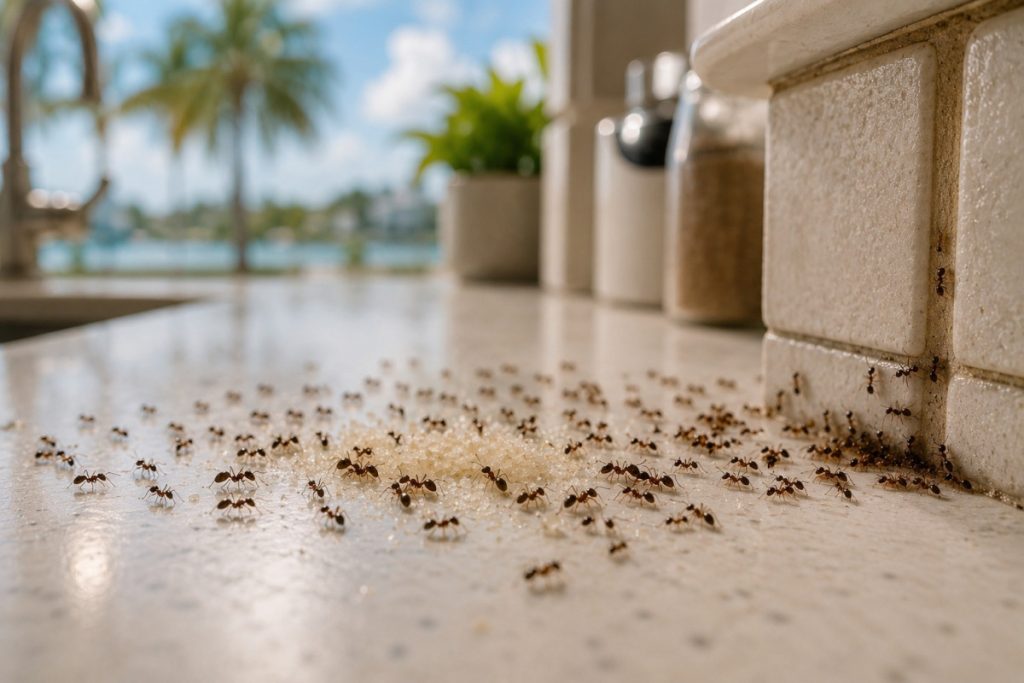
If you’ve ever noticed a trail of tiny ants marching across your kitchen counter, bathroom sink, or pantry shelves, you’re not alone. Sugar ants are among the most common household pests throughout West Palm Beach, Broward County, Miami, and surrounding South Florida communities. Despite their small size, these persistent insects can quickly become a major nuisance for homeowners and business owners alike.
At Pest Busterzz, we understand the unique pest challenges created by South Florida’s tropical climate. Our experienced team has helped countless residents protect their properties from sugar ants and other invasive pests through customized treatment plans, preventative strategies, and exceptional customer care. We know that every infestation is different, which is why we focus on identifying the root cause rather than simply treating visible ant trails.
The combination of year-round warmth, high humidity, and abundant food sources makes South Florida an ideal environment for sugar ants to thrive. While many people assume these tiny pests are harmless, they can contaminate food, spread throughout a property rapidly, and become increasingly difficult to eliminate without professional intervention. Understanding why sugar ants are so common in Florida is the first step toward keeping them out of your home for good.
Why Sugar Ants Love Florida’s Climate
Florida’s environment creates perfect conditions for sugar ant populations. Unlike many regions that experience harsh winters, South Florida offers warm temperatures throughout the year, allowing ant colonies to remain active in every season.
Sugar ants are particularly attracted to moisture and sweet food sources. Frequent rainstorms, high humidity levels, and lush landscaping provide ideal nesting opportunities. Areas throughout West Palm Beach, Fort Lauderdale, and Miami often experience increased ant activity because of dense residential development combined with tropical vegetation.
Outdoor colonies commonly establish themselves beneath mulch, landscaping stones, sidewalks, and building foundations. Once a colony discovers a reliable food source inside a home, worker ants quickly create scent trails that guide thousands of additional ants directly to kitchens, pantries, and other vulnerable areas.
Many homeowners are surprised by how quickly a few ants can become a major infestation. A single colony may contain thousands of workers, making early detection and treatment extremely important.
How Do Sugar Ants Get Inside Your Home?
One of the most frustrating aspects of sugar ant infestations is how easily these pests can enter a structure.
Sugar ants can squeeze through tiny cracks around doors, windows, utility lines, and foundations. They are constantly searching for food and water, making even the cleanest homes potential targets.
Common attractants include sugary drinks, crumbs, pet food, ripe fruit, and improperly sealed pantry items. Even small spills that go unnoticed can attract scouting ants. Once they locate a food source, they leave behind pheromone trails that signal other ants to follow.
Homes near popular South Florida waterways, parks, and heavily landscaped neighborhoods often experience recurring ant problems because outdoor colonies remain active throughout the year. Properties near areas such as Downtown West Palm Beach, Las Olas Boulevard, and many Miami residential communities frequently encounter conditions that support ongoing ant activity.
Why DIY Sugar Ant Treatments Often Fail
Many homeowners attempt to solve sugar ant problems using sprays or store-bought products. While these treatments may kill visible ants, they often fail to eliminate the colony itself.
When ants encounter certain repellents, they may simply relocate their nesting sites and establish new trails elsewhere in the property. This can actually spread the infestation rather than solve it.
Another challenge is that sugar ant colonies are often hidden underground, inside walls, beneath foundations, or within landscaping features. Treating only the ants you can see rarely addresses the source of the problem.
Professional pest control focuses on identifying colony locations, understanding ant behavior, and implementing targeted solutions that disrupt the entire colony. This approach provides more effective and longer-lasting results than surface treatments alone.
Practical Ways to Prevent Sugar Ant Infestations
While professional treatment is often necessary for established infestations, there are several proactive steps homeowners can take to reduce their risk.
Maintaining a clean kitchen is one of the most effective preventive measures. Wiping down counters, cleaning spills promptly, and storing food in sealed containers can help eliminate attractive food sources.
Moisture control is equally important. Repair leaking pipes, address standing water issues, and ensure proper drainage around the home. Sugar ants are frequently drawn to damp areas, particularly during South Florida’s rainy season.
Sealing entry points can also make a significant difference. Inspect windows, doors, foundations, and utility penetrations for gaps that may allow ants to enter.
Outdoor maintenance plays a role as well. Keeping shrubs and tree branches trimmed away from structures reduces the pathways ants use to access homes. Regular landscaping maintenance can help limit nesting opportunities around the property.
Signs That It’s Time to Call a Professional
Not every ant sighting requires immediate professional intervention. However, certain warning signs indicate that a larger issue may be developing.
Recurring ant trails, multiple sightings throughout the day, ants appearing in several rooms, and repeated infestations despite cleaning efforts are all indicators that professional treatment may be necessary.
If ants continue returning after DIY treatments, there is a strong likelihood that the colony remains active nearby. In these situations, professional inspection and treatment can prevent the problem from escalating.
At Pest Busterzz, we use proven pest management strategies designed specifically for South Florida conditions. Our team identifies the source of the infestation, develops a customized treatment plan, and provides recommendations to help prevent future issues.
The Long-Term Benefits of Professional Sugar Ant Control
Effective sugar ant control goes beyond eliminating visible insects. Professional treatment helps protect food storage areas, maintain a cleaner living environment, and reduce the stress associated with recurring infestations.
Many homeowners appreciate the peace of mind that comes from knowing their property is protected by experienced pest management professionals. Rather than constantly battling new ant trails, they can focus on enjoying their homes without worrying about persistent pest activity.
With Florida’s climate supporting year-round ant populations, ongoing prevention and monitoring are often key components of successful pest management.
Trust Pest Busterzz for Sugar Ant Control in South Florida
Sugar ants may be tiny, but they can create big problems when left unchecked. Their ability to establish large colonies, exploit small entry points, and quickly locate food sources makes them one of the most persistent pests in South Florida homes.
Whether you’re dealing with a current infestation or want to prevent future ant problems, Pest Busterzz is here to help. We proudly serve homeowners and businesses throughout West Palm Beach, Broward County, Miami, and surrounding communities with effective pest control solutions tailored to local conditions.
Contact Pest Busterzz today through our contact page and schedule your professional inspection.