
Fire Ants After Flooding: What South Florida Homeowners Should Do This Weekend
Floodwater does not drown fire ants. They link together into a living raft, float until they hit something dry, and start new mounds as the ground drains. With the record rain South Florida has had this month, expect fire ants after flooding in places you did not have them last week.
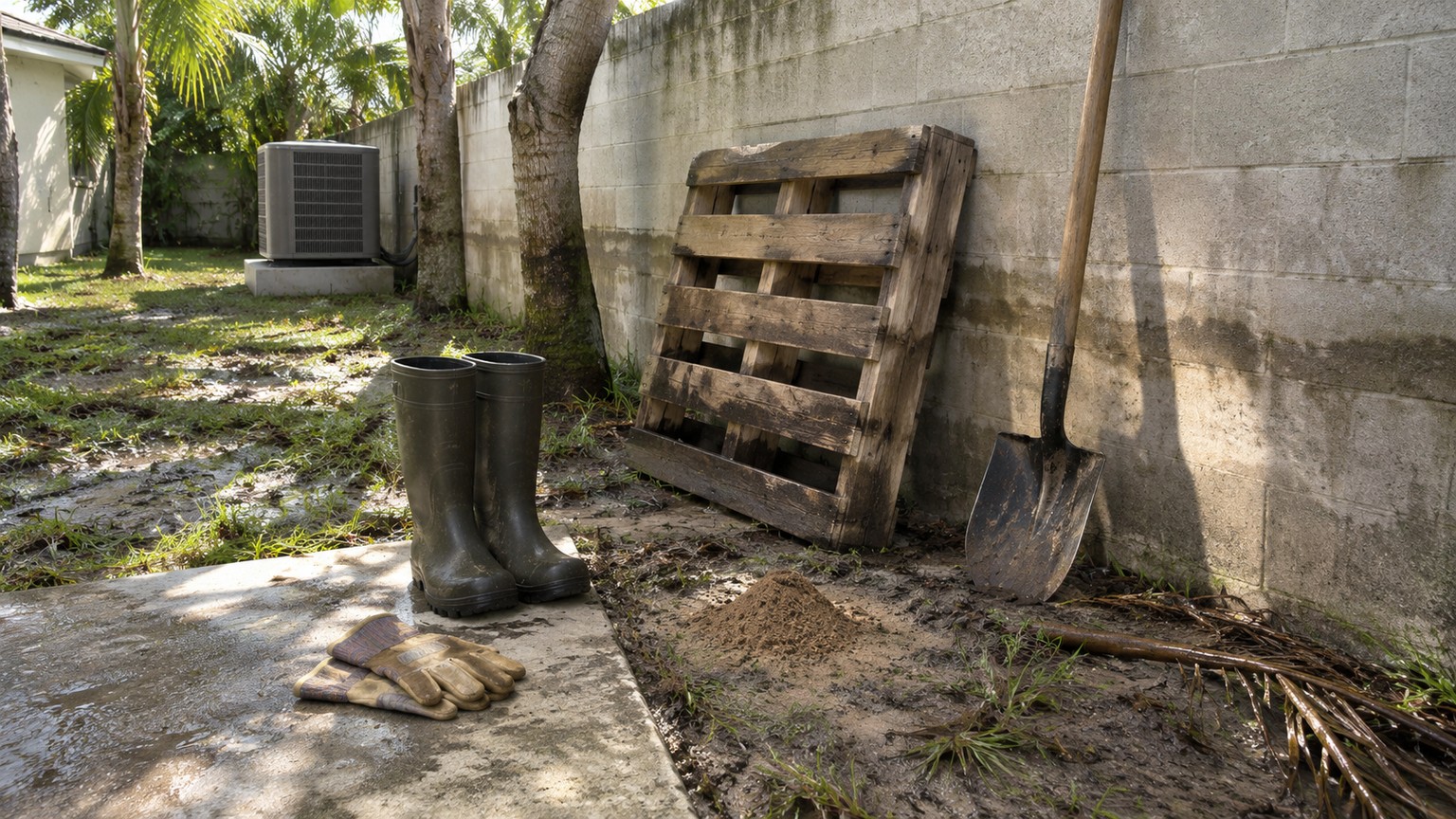
That makes this holiday weekend cleanup a good time for a quick check. Before you drag wet furniture to the curb, step into a soggy flower bed or reach under a pallet, here is what fire ants do after a flood, what to look for, and how to handle it without getting stung.
What a fire ant raft is and why it ends up at your house
The red imported fire ant is the one most Floridians know. It is about 1/8 to 1/4 inch long, reddish brown to black, and it came from South America. The University of Florida describes its sting as a burning pustule with intense itching that can last up to 10 days.
When water rises, a colony leaves the soil and clings together into a ball, a ribbon or a streamer on the surface. Workers, eggs, larvae, winged ants and queens are all in there. UF/IFAS says the raft is alive: the ants keep moving so no single ant stays under water too long, and they will sting you as readily as they sting each other.
The raft drifts until it finds anything above the waterline. As the water drops, the colony climbs out and looks for soil to dig into. That means your yard is on the list, and so is anything that sat in it.
Where fire ants land after the water drops
Extension offices in Florida, Alabama and Texas all say the same thing: ants cling to whatever they touch and want shelter until they can rebuild a mound. Check these spots first:
- Debris piles and wet branches. Anything that sat in the yard for a few days can hold a colony.
- Furniture, rugs and boxes set out to dry. Fire ants get under carpet strips, cushions and old wood.
- Pallets and lumber leaning on the fence. Dark, damp gaps are exactly what they want.
- The base of trees and shrubs. Loose mulch and exposed roots are easy digging.
- A/C pads, pool equipment and irrigation boxes. A dry, protected spot beside a slab looks like high ground.
- Slab edges and house foundations. NC State Extension notes that the foundation of a house can be the high ground a raft finds.
In Florida’s sandy soil the mounds often stay small, so a fresh one can look like a patch of loose, crumbly dirt with no obvious hole in the top. Do not step on it to check.
What to do about fire ants after flooding: 7 steps
- Leave rafts alone. If you see a ball or ribbon of ants floating in standing water or along a wet edge, stay out of it. Do not poke it, paddle through it or push it aside with a stick, because the ants can climb a paddle or a stick toward your hand. Keep bare feet out of floodwater. If a raft sits between the debris pile and the curb, take a dry route or leave that load for later.
- Dress for the job before you move anything. Leave the flip-flops by the door. Closed shoes or boots, socks, long pants, long sleeves and gloves. A repellent with DEET on your shoes and lower pant legs may help deter ants that are foraging, but UF notes it may not stop ants that are defending their colony. Read and follow the product label.
- Use a tool, not your hands. Move wet debris with a shovel or a rake. Dust the handle with talcum or baby powder: fire ants cannot climb a dry, powdered surface, but it stops working once it gets wet.
- Look on, under and inside before you lift. Tip the pallet, lift the cushion and check the underside of every item that sat outside for days. Check the handholds before you carry anything, and step back right away if ants pour out.
- Watch the yard as the soil dries. New mounds show up where the ground firms up, usually beside slabs, along fences and at tree bases. Mark them with a flag or stake so nobody steps on one.
- Do not count on bait the first days after the flood. Extension offices say a flooded colony is disorganized and not foraging, and bait is slow. Bait that got rained on or flooded is likely ruined too. Wait until the ground is dry and the ants are gathering food again. Then bait is the way to reach the colony underground, because only a small share of the colony forages at a time. Use fresh bait and follow the label, including the limits near standing water, ponds and pools.
- Keep ants out of the house. Seal gaps around doors, windows and where lines enter the wall, and keep wet furniture and boxes outside until you have checked them.
These steps keep you from getting stung and keep ants from riding inside with your cleanup. They do not remove a colony that has already dug in. If you find mounds, skip to the call-a-pro list below.
If you get stung
Fire ants bite to hold on and sting, often many times at once. Brush them off fast, then:
- Wash the area with plenty of soap and water.
- Put ice, wrapped in a cloth, on it for 10 minutes on and 10 minutes off.
- Do not break the blister. A pustule that opens can get infected.
Call 911 or get emergency care right away for trouble breathing, throat swelling, a racing heartbeat, dizziness, vomiting or swelling that spreads well beyond the sting site. Some people have a serious allergic reaction to fire ant stings, and a lot of stings at once can make anyone sick.
Post-flood fire ant checklist
- Rafts or ribbons of ants in standing water left alone
- Boots, long pants, long sleeves and gloves on before cleanup
- Debris moved with a shovel or rake, handle dusted with powder
- Pallets, lumber and branches along the fence tipped and checked
- Wet furniture, rugs and boxes checked underneath before moving
- A/C pad, pool equipment and irrigation boxes looked over
- Tree bases and slab edges walked once the soil firms up
- Any new mound flagged, not stepped on
- Door and window gaps sealed
- Kids and pets kept away from marked spots
Fire ants vs the small ants in your kitchen
South Floridians deal with more than one kind of ant, and they need different plans. Here is how to tell them apart.
Red imported fire ant: reddish brown to black, about 1/8 to 1/4 inch. Builds dirt mounds outdoors in sunny, open spots. Swarms out and stings hard when the mound is disturbed. This is the one that rafts.
Ghost ant: tiny, with a dark head and pale legs. Lives in many small nests, indoors and out, and shows up as trails to sweets in the kitchen. Does not form flood rafts and does not sting like a fire ant.
Sugar ants and other small trail ants: they follow a scent line to food or water, often after heavy rain pushes them indoors. Annoying, but a different job from a fire ant mound in the yard.
A mound of loose dirt outside with ants boiling out when touched is a fire ant mound. A thin trail across the counter is something else.
What not to do
- Do not step into floodwater or a raft barefoot or in sandals.
- Do not pour gasoline or other fuels on a mound. It is a fire and runoff problem and it does not remove the colony.
- Do not kick, shovel or flood a mound. It sets the ants off and they move.
- Do not spray only the ants you see on top. Most of the colony is underground and out of reach.
- Do not reach for club soda, grits or soap. UF says these do not work.
- Do not set fire ant bait out the first day the water drops and call it done.
When to call a pest pro
Call when:
- New mounds keep coming back along the slab, fence or tree base.
- You find ants in or around the A/C pad, pool equipment or an electrical box.
- Ants are getting inside walls, cabinets or the house. If a trail runs into an A/C cabinet seam, leave the cover in place and note which side the ants are using.
- Someone in the home has had a bad reaction to a fire ant sting.
- You have a lot of mounds or a large yard and do not know where to start.
UF is clear that no method removes fire ants from an area permanently, and they can come back after treatment. A pro can look at where the mounds are, how the water moved through your yard and what is next to the house, then set a plan that fits.
Fire ants after flooding FAQs
Do fire ants die in floods?
Usually not. Colonies leave the soil, link bodies into a living raft and float until they reach something dry. Then they climb out and dig new mounds as the ground drains. Most of the colony, including the queens, rides the raft.
Are fire ants worse after flooding?
They can seem worse. Rafts move colonies into yards, onto debris and against foundations, and ants are aggressive near a new nest. UF/IFAS says to leave rafts alone, because they sting as readily as they sting each other.
How long after a flood do fire ants build new mounds?
Often as soon as the ground firms up. The ants need soil to dig into, so watch slab edges, fences and tree bases. Local conditions vary, so check the yard each day as it dries and flag anything new.
Should I put out fire ant bait right after a flood?
Extension offices say wait. A flooded colony is disorganized and not foraging, and bait is slow. Bait that got wet is likely ruined. Once mounds appear and ants are active, bait is how you reach the colony underground.
What do I do if fire ants sting me?
Brush them off, wash with soap and water, and ice the spot 10 minutes on and 10 minutes off. Do not pop the blister. Call 911 for trouble breathing, throat swelling, a racing heartbeat or swelling that spreads.
Check the ground before you clean up
Leave the rafts alone, dress for the job, move debris with a tool and flag every new mound. That is the weekend plan. Finding mounds near the house, the A/C pad or the pool equipment? Pest Busterzz serves homes across Miami-Dade, Broward and Palm Beach counties. Schedule your inspection and we will find where they are and set a plan. To learn more, read our fire ant page and our ant control service.