
Mosquito Control in South Florida Communities: What Residents Can Do and When to Coordinate
If mosquitoes are disrupting a patio or courtyard in a South Florida community, first sort out where the activity is noticed and who maintains that spot. Empty and scrub water-holding items on your own property; for a shared courtyard, common drain, or public area, document the location and contact the responsible manager or local mosquito-control program. A mosquito sighting does not, by itself, show where the insects developed.
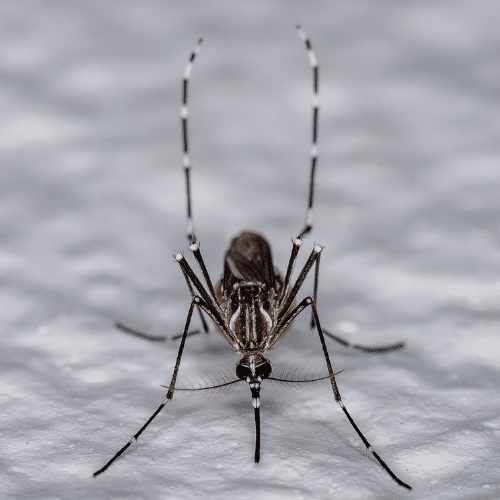
That distinction matters when reports come from several homes. The useful next step may be a quick check of one yard, or a maintenance request for a common area, instead of a guess about a neighbor’s property.
Start with the place, not the pest label
Mosquitoes can move between places, so the patio where someone notices them may not be next to the source. A single sighting cannot identify a breeding site, species, or cause. Several reports close together are worth organizing, but they still do not prove that every home has the same issue.
Make the observation specific: “mosquitoes near the west courtyard drain after rain” gives a manager more to act on than “mosquitoes everywhere.” Note the date, approximate time, weather, and precise area. If you can safely take a photo of standing water or a maintenance condition, include it with the report. Do not handle unknown water or enter a restricted area to investigate.
What residents can check on their own property
Walk the areas you control after rain and during your regular outdoor maintenance. Look for objects that can hold water: plant saucers, buckets, toys, unused pots, folded tarps, and equipment covers. Empty and scrub suitable items, turn over containers that are not in use, or keep them covered. The CDC recommends checking water-holding items weekly and removing or managing them.
Also look at private gutters and the edges of patios or storage areas where rainwater may collect. If a gutter, drain, roof feature, or other fixture needs repair, make a note for the person responsible for that maintenance. Do not climb, dismantle equipment, or make changes beyond your ability or authority.
Screens and doors are a separate part of the check. Repair visible screen damage and keep doors closed when practical. This will not resolve outdoor activity, but it may help keep mosquitoes from entering the home.
When the next step is a shared-area work order
If the activity is repeatedly noticed around a common courtyard, shared outdoor seating, community landscaping, or an association-maintained drainage feature, send one clear report through the property’s normal maintenance channel. Ask who maintains the exact spot and whether it can be inspected. Include dates and locations, not a diagnosis or a demand for a particular treatment.
A simple log helps avoid contradictory reports:
- Where was the activity noticed?
- Was there visible standing water, a blocked drain, or a container that may need attention?
- When did it happen, and had it rained recently?
- Has the same location come up in another report?
The goal is to help the responsible person check the condition. Property rules, ownership, and maintenance responsibilities differ, so an article cannot determine who is legally responsible or authorize work on another person’s property.
When to contact a local mosquito-control program
A public drainage area, roadside feature, or land outside the community’s control may need a different reporting route. Contact the relevant local public works or mosquito-control program and provide the location and observation. Do not assume that one county’s reporting process covers another county; use the official site for the address where the condition was seen.
For example, Broward County publishes its own mosquito-control information and request options. Residents in Miami-Dade or Palm Beach should check their own county’s current program. A public report is a way to request attention to a location, not confirmation that it is the source of activity.
When a private-property assessment may help
If activity continues around a home or business after the conditions you control have been checked, a pest professional can discuss an assessment of that private property. Bring the dates, locations, and any maintenance steps already taken. Ask what areas the service covers and what is outside its scope, especially if the concern is in a shared or public area.
Pest Busterzz provides mosquito-control service. The service page can help you review the company’s offering; check the South Florida service areas to see where the company lists service options, then contact the team to discuss a specific private-property concern. A service visit to one property does not replace a maintenance request to an association or a report to a public agency.
Common questions
Does seeing mosquitoes mean the source is on my property?
No. The observation tells you where they were noticed, not where they developed. Check the places you control and report recurring activity around shared or public areas to whoever manages them.
What if several residents are reporting mosquitoes?
Combine the locations and dates into one clear note for the community manager. Repeated observations can help direct an inspection, but they do not establish a single cause without checking the actual conditions.
Should I treat standing water in a shared area myself?
Do not apply a product or alter property you do not control. Report the exact location to the responsible manager or local authority and follow their direction.
A practical way to move forward
Check and manage water-holding items on your own lot, make a specific maintenance request for a recurring common-area condition, and use the appropriate local program for a public location. If the concern is on private property and remains unresolved, contact Pest Busterzz to discuss the area and what you have observed.