
Why House Flies Keep Coming Back in South Florida
The short answer
Quick answer: House flies keep returning when a breeding source, food residue, waste, moisture, or entry route remains available. Killing adults provides temporary relief. Long-term control requires source removal, sanitation, exclusion, monitoring, and targeted treatment when necessary.
South Florida's warmth can support fly activity during much of the year. Rain, outdoor dining, frequent deliveries, open doors, pet areas, dumpsters, and damp organic material can increase pressure around homes and businesses.
Do not assume every small flying insect is a house fly. Drain flies, fruit flies, fungus gnats, phorid flies, and other insects require different source investigations.
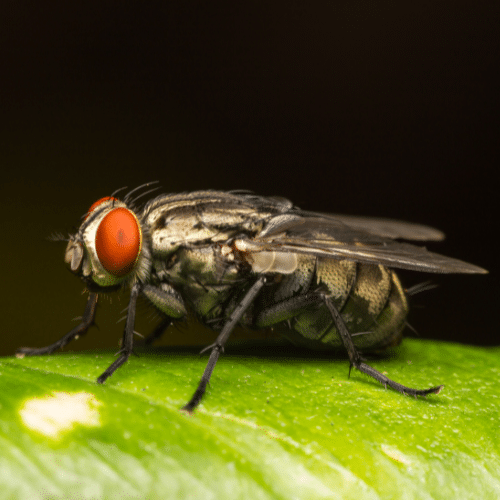
Start with identification and location
House flies are medium-sized flies with gray bodies and dark stripes on the thorax. They often rest on walls, windows, ceilings, waste containers, and food-area surfaces.
However, a photograph alone may not settle the identification. The strongest clues include size, movement, location, time of day, and nearby materials.
Map the first place where flies gather:
- Kitchen windows or doors
- Trash and recycling areas
- Pet feeding or waste areas
- Drains and damp cleaning equipment
- Loading doors and delivery zones
- Outdoor seating or patio entrances
- Dumpsters and waste enclosures
One fly near a door may have entered from outside. Repeated activity in the same zone suggests a source or access pattern.
Why removing adults does not stop recurring flies
Adult flies represent only the visible stage. Eggs and larvae develop in moist organic material. A hidden source can continue producing adults after people swat or trap the first group.
Common sources include food waste, animal waste, spoiled produce, residue under equipment, leaking trash bags, and damp organic debris. Wet mops, dirty recycling, and neglected containers can also create suitable conditions.
The goal is not simply to clean more. The goal is to find the specific material supporting development and remove it safely.
Check food, waste, and moisture systematically
Kitchens and food-preparation areas
Inspect accessible spaces under counters, beside equipment, near floor-wall edges, and around waste containers. Look for spills, grease, damaged produce, and residue that routine cleaning may miss.
Keep food covered and follow established sanitation procedures. Clean spills promptly. Rotate stored products and inspect incoming boxes when practical.
Trash and recycling
Use containers with well-fitting lids. Clean the inside, outside, wheels, and surrounding floor. Rinse recycling that holds food or beverage residue.
Move waste along a consistent schedule. Check whether leakage occurs between the indoor container and the outdoor enclosure.
Drains and plumbing
Activity near a drain does not automatically indicate house flies. It may involve another small fly or organic buildup elsewhere.
Do not pour random pesticides into drains. Ask a pest or plumbing professional to help identify the source and appropriate corrective work.
Pet and wildlife areas
Clean pet waste promptly. Store pet food in closed containers. Inspect outdoor areas where fallen fruit, animal waste, compost, or wildlife activity occurs.
Follow the route through doors, windows, and screens
Flies can enter through open doors, torn screens, gaps, loading zones, and high-traffic entrances. Air movement and light can draw them toward indoor spaces.
Check these conditions:
- Doors that remain open during deliveries
- Damaged or missing screens
- Gaps around garage and loading doors
- Waste containers positioned close to entrances
- Outdoor lighting beside frequently opened doors
- Landscape or pet areas near windows
Businesses may need operational changes as well as repairs. Door habits, delivery timing, waste movement, and employee practices can affect the result.
House fly control for restaurants and businesses
Restaurants, grocery stores, offices, warehouses, retail properties, and multifamily communities have different risk points. A useful commercial plan considers customer areas, food handling, loading, waste, staff access, and operating hours.
Document where flies appear and which shift first notices them. Record trash pickup, deliveries, floor cleaning, plumbing events, and door activity. That timeline can expose a repeatable source.
Avoid placing unapproved devices or pesticides in food areas. Every control should fit the facility, label, and applicable operating requirements.
A commercial plan should account for food handling, waste, loading, operating hours, and staff access.
What integrated fly management includes
Integrated pest management addresses the source and the surrounding conditions. A professional plan may include:
- Identifying the fly and mapping activity
- Inspecting food, waste, moisture, drains, and exterior sources
- Improving sanitation and waste procedures
- Repairing screens, doors, and appropriate entry points
- Using monitors or traps in suitable locations
- Applying targeted treatments when the site requires them
- Measuring activity and adjusting the plan
No single device replaces source correction. Light traps can support monitoring and capture in some commercial settings, but placement and maintenance matter.
Common mistakes that allow flies to return
Treating only the adults
Adult knockdown may improve the room briefly. It does not remove larvae developing in hidden organic material.
Repeating general cleaning without finding the source
Routine cleaning helps, but a specific spill, container, drain, or outdoor source may remain untouched.
Ignoring exterior conditions
An indoor fly problem can start near a dumpster, pet area, fallen fruit, or wet landscape material outside.
Using products without identification
Different small flies breed in different materials. The wrong product can waste time and complicate professional treatment.
Failing to maintain screens and doors
Even excellent sanitation cannot prevent flies from entering through a constantly open or damaged doorway.
When to request professional fly control
Call a professional when activity returns after source-focused cleaning, spreads across rooms, or affects customers. Food preparation, healthcare, childcare, and shared buildings need prompt, organized evaluation.
Share the property type, affected areas, first appearance, timing, recent changes, and nearby waste or moisture. Include photographs when they can be taken safely.
When requesting a review, share the building, activity zones, timing, waste, moisture, doors, deliveries, and access requirements.
Frequently asked questions
Why do flies return after I clean the kitchen?
The source may sit under equipment, inside waste containers, outdoors, or in another room. Entry through doors and screens may also continue.
Are flies near a drain always drain flies?
No. Location guides the inspection but does not confirm the insect. Identification and source review should come first.
Do house flies bite?
House flies do not bite. Other flies can bite, so identification matters when people report painful contact.
How should food areas be handled during recurring fly activity?
Keep exposed food protected, follow the property's sanitation procedures, and correct the source. Request a focused review when activity continues or affects food operations.
Will a bug zapper solve an indoor fly problem?
Not by itself. Devices cannot remove breeding material, sanitation problems, or entry routes. Some devices are also unsuitable for food areas.
Get professional help with recurring flies
Contact Pest Busterzz and describe the building, activity zones, timing, waste, moisture, doors, deliveries, and access requirements.