
Black Widow Spiders in South Florida: What Homeowners Should Know
Finding a dark spider or tangled web in a garage, shed, crawl space, or storage area does not automatically confirm a black widow or an infestation. Keep your distance, note where it was found, and avoid reaching into a concealed space while you decide on a safer next step.
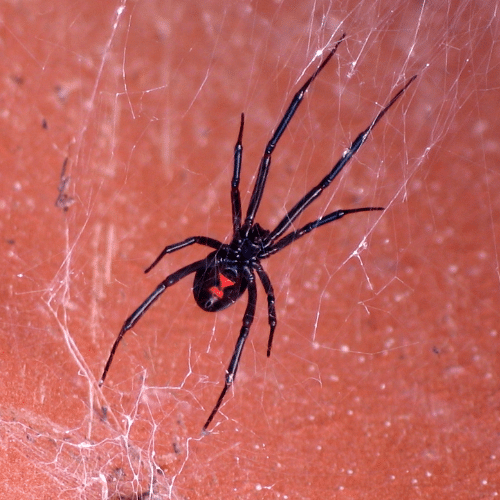
South Florida properties give spiders many low-traffic places to remain out of the way. Stored materials, wood or rock piles, sheds, garages, and similar areas can provide shelter. A web in one of those places is a reason to observe carefully, not proof that every dark spider nearby is the same species.
What makes a suspected black widow worth documenting?
Widow spiders have distinctive markings, but appearance can vary by species and life stage. Florida has several widow species, so an unclear photo or quick glance may not support a confident identification. If you can do so without approaching, record the location, date, surrounding conditions, and a photo from a safe distance.
Pay attention to the setting as much as the spider. Note whether the web is behind stored equipment, under an exterior ledge, inside a shed, or near a gap where insects may pass. Those details help explain the property conditions and what a professional may need to inspect.
Where hidden webs can be easy to overlook
Low-traffic spaces are often missed during routine cleaning. Look at the edges of sheds and garages from a safe position, the underside of outdoor furniture, corners around stored items, and places where vegetation or clutter meets the structure. Do not reach blindly into a box, pile, crack, or dark void.
Before bringing containers, tools, or other stored items into a garage or utility area, place them where you have good visibility and look over them without handling a suspected spider. This is an observation step, not a guarantee that a property will remain spider-free.
What to do after a sighting
- Keep people and pets away from the immediate area.
- Do not touch, trap, sweep, or spray an unidentified spider at close range.
- Take a photo only if you can do so without approaching or disturbing it.
- Record the location, nearby storage, visible webbing, and whether similar signs appear elsewhere.
- Ask a qualified pest professional what inspection information would be useful.
If anyone is bitten, seek medical guidance promptly rather than trying to identify the spider from memory. This article is general information and does not diagnose a bite, identify a species from a description, or provide treatment instructions.
When professional spider control may help
A professional conversation can be useful when sightings repeat, webs appear in several low-traffic areas, or a location is difficult to inspect safely. Share the areas involved, recent storage or cleanup activity, and photographs taken from a safe distance.
Pest Busterzz provides spider-control information for South Florida homes and businesses. Visit the common spiders page to review the service context and decide what details to include when requesting help.
Frequently asked questions
Does one web prove there is an infestation?
No. One web or sighting does not establish the species, population, or cause. Location and repeated observations provide better context.
Should I move stored items to look for a spider?
Do not reach into concealed spaces or disturb a suspected spider just to investigate. Improve visibility from a safe position and ask for professional guidance when access is difficult.
Can a photo identify the spider with certainty?
A clear photo may help a professional discuss possibilities, but an unclear image or brief sighting may not support a certain identification.