
Pest Control in Golf
The Village of Golf includes residential, agricultural and commercial properties. A pest request should identify which property and space are involved before anyone assumes the problem concerns the golf course. Pest Busterzz provides Golf pest control for homes and business premises, with the discussion focused on the building or area that needs attention.
Tell us whether you are reporting an issue as a homeowner, property manager or business contact. The village describes a residents’ association and the Country Club of Florida as distinct organizations; a household enquiry does not establish authority to arrange work on club or shared property.
We offer a full range of pest control services, targeting pests like:
Start with the pest sign, its exact location and who can arrange access. This lets a kitchen concern, a storage-room sighting or an outdoor nest be discussed on its own terms rather than bundled into a generic landscape problem.

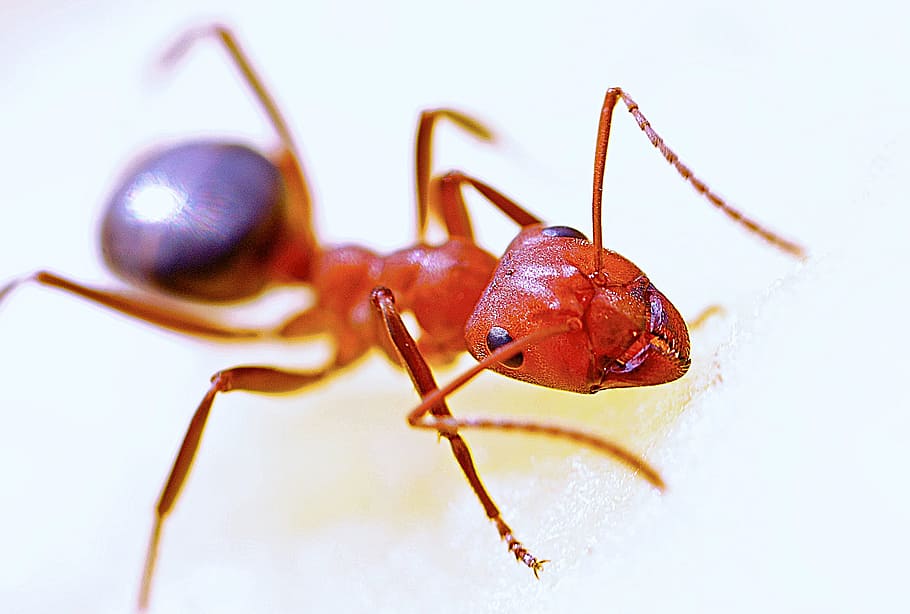
Golf Ant Control
A trail of ants deserves a location record: inside a cabinet, at a patio doorway or beside an outdoor food source. If the trail crosses from a common area to a private home, note both places and tell the appropriate property contact.
Names such as ghost ants and fire ants refer to different ants, not interchangeable labels for every small insect. Florida references discuss both, but they do not establish which species is active at a particular Golf property. Identification should guide the response.
Look for exposed food and moisture as well as the ants themselves. Clean food residues, keep supplies contained and have leaks addressed. Where several people use a kitchen or storage room, make sure observations and maintenance concerns reach the same property contact.
Pest Busterzz offers ant control for the property that needs it. Explain where activity begins and ends, including whether the trail crosses between a shared area and private premises, so access can be discussed with the appropriate contact.
Golf Cockroach Control
Cockroaches should be identified before a control decision. An American cockroach entering from an outdoor shelter and a German cockroach found around kitchen equipment can lead to different inspection questions. A service request should describe the insect and room, not just the word roach.
For a larger roach near an entry, note gaps around doors, screens and utility openings. Outdoor-associated species can move into buildings, but the sighting alone does not prove an indoor breeding population or a broken drain.
German cockroaches are usually found in kitchens and bathrooms but can occur elsewhere indoors. Record which cabinets, sinks or appliances are near the activity and note nearby food, water or shelter conditions. Report separate premises separately so each space can be assessed.
Incoming groceries and unnecessary cardboard are useful inspection points. Keep food storage orderly, remove residues and address water leaks. At a business, those maintenance and cleaning tasks need a responsible contact alongside any pest-control request.
Ask Pest Busterzz about cockroach control for the affected premises. A report from a resident and one from a business should each identify the rooms involved, who can provide access and any cleaning or repair concern already noted.

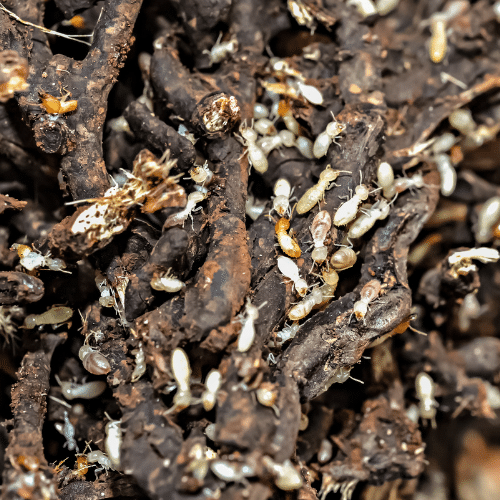
Termite Control in Golf, FL
A concern about termites should be tied to the affected structure or item. Record the room, frame, furniture or exterior point where you found evidence. Where a property manager is involved, keep that record with the building’s report rather than treating an entire community as one infestation.
The distinction between subterranean termites and drywood termites matters because they reach and infest wood differently. Formosan termites belong to the subterranean group.
Drywood termites can infest wood above ground without soil contact. Their droppings may appear from cabinets, windowsills or other wood furniture. Keep the room and item in the property’s report so a furniture finding is assessed on its own evidence before being connected to an exterior foundation concern.
Subterranean termite evidence can include mud tubes connecting the ground and a structure. Describe the point where you saw them and arrange an assessment rather than inferring damage or selecting a method from appearance alone.
Finding a winged termite indoors is not conclusive proof of an infestation. If wings have collected in multiple areas in different parts of the home, an inspection is warranted to assess the possibility. Include the separate locations when reporting what you found.
Pest Busterzz provides termite control. Bring the evidence and access information to the discussion so the findings can determine the scope. Keep the observations attached to the correct building and arrange access through the person responsible for that premises.
Rodent Control in Golf
Signs of rodents in a pantry, service space or upper part of a home should be logged for that location. Gaps around pipes, doors and other building openings can provide access. Outdoors, check spilled birdseed, fallen fruit and branches touching the building. These details can direct an assessment without identifying a species or proving where an animal entered.
Use these five topics to organize a rodent-control discussion. They are assessment questions, not a preset package of devices, bait or restoration services.
- Inspection: Keep observations by building and room so the activity can be assessed without disturbing suspected waste.
- Exclusion: Note visible openings and identify whether the homeowner, manager or a separate contractor controls the repair.
- Trapping: Review any proposed device locations and how access to those areas will be managed.
- Bait Stations: Discuss placement and access if bait is part of a proposed plan; do not assume the same choice applies to every building.
- Sanitation: Keep food and waste contained. Never sweep or vacuum rodent urine, droppings or nesting material; use CDC cleanup guidance.
Our rodent-control service can be discussed alongside the entry and maintenance concerns recorded for the property. Shared-area coordination may matter, but a residents’ association or club is not automatically part of a homeowner’s service request.


Golf Iguana Removal
An iguana removal request should describe the green iguana and what it is doing on the property. Plant damage, droppings and a suspected burrow are different observations and should not be treated as interchangeable evidence of structural damage.
Green iguanas can feed on ornamental plants and dig burrows near infrastructure. Identify the affected planting or the location beside a path or foundation. Do not infer the extent of any damage or disturb a hole to investigate it yourself.
Captured iguanas cannot be relocated and released elsewhere in Florida under FWC guidance. Taking one to another part of the village or a natural area is not an appropriate answer to the problem.
Pest Busterzz provides green iguana removal. Describe the animal’s activity and whether the affected planting, path or structure is on your lot or a separately managed area. Give the contact who can authorize access.
Customers Choose Pest Busterzz for Golf Pest Control
Pest Control Near Me in Golf
For pest control near you in Golf, identify the property use and the observed problem when contacting us. Our additional household and business services are described below so a specific need does not disappear inside a general pest enquiry.
Other household pest concerns
Bees and wasps: Report whether insects are clustered on a branch, entering a building opening or using a suspected ground nest. A temporary bee swarm and an established colony need different assessments. Avoid disturbing the site, and keep a property contact informed if it is beside a shared route. Bee and wasp service does not automatically include opening and repairing a structure.
Bed bugs: Keep the report tied to the bedroom, seating area or other place where suspected evidence was found. Do not carry belongings into an unaffected room in an attempt to clear the area. EPA recommends sealed bags for items that need to be moved. Discuss bed bug service and preparation for the affected premises before rearranging possessions.
Flea control: Flea eggs can fall from an animal into floors, bedding and furniture, with activity often concentrated where pets rest. Include those resting locations and the rooms where insects were seen when requesting help for the premises. Care directed at the animal remains a separate veterinary question; treating a room should not be assumed to address the pet’s needs.
Tick control: Identify the tick and record whether it was found on an animal, near a resting area or elsewhere in the home. Brown dog ticks can complete their life cycle indoors as well as outdoors; that fact should not be generalized to every tick species. Discuss pet-directed care with a veterinarian and keep the premises observations in the pest-control request.
Mosquito control: Check buckets, plant containers, boat covers and clogged gutters for retained water on the affected property. Remove unnecessary water-holding items and flush in-use birdbaths and pet dishes with clean water at least weekly. Palm Beach County distinguishes grass and shrubs where adult mosquitoes rest from water where they develop. Mosquitoes near a landscaped area or golf course do not establish where they originated. The county’s Report Mosquito Activity channel is separate from a private service request; distinguish observing mosquitoes from actually finding standing water.
Vehicles, watercraft and dead animal concerns
Vehicle and watercraft pest treatment: Describe the vehicle or boat, its use and the compartment where pest signs were noticed. Rodents may nest in infrequently used vehicles; do not sweep or vacuum suspected rodent waste. On watercraft, distinguish insects in a cabin or storage space from water held by a cover or tarp. The affected space and evidence belong in the request. Automotive-system concerns need a qualified automotive professional, while marine-system or hull concerns need separate specialist assessment rather than being assumed part of pest treatment.
Dead animal removal: Give the location of any visible carcass and keep that separate from an unexplained smell. An odor can have a wastewater or other source, so removal should not be assumed before the source is identified. Do not open a wall on that evidence alone. Access, cleanup and repair needs should be discussed separately from the removal request.
Managed properties and business premises
Property management and HOA pest control: Maintain a building-by-building sighting record and a named access contact. The village’s municipal information distinguishes its homeowners’ association from the Country Club of Florida; our work with managed properties does not imply affiliation with either. Separate the private premises, common area and maintenance responsibility so each request reaches the person who can authorize it.
Retail pest control: The village identifies commercial districts at Military Trail and Woolbright Road. For a retail request, name the affected receiving, stock or customer area rather than inferring the business type from its address. Record the sightings and any nearby storage or maintenance concern. We provide retail pest control; the premises contact should distinguish the pest issue from separate stock-handling or repair decisions.
Restaurant pest control: Give the location of activity within food storage, preparation, dining or waste areas. Cleaning and maintenance contacts may have different responsibilities, so bring their observations into the same request. Our restaurant pest-control service concerns the identified premises and pest issue; food handling, cleaning routines and required repairs also need the attention of the people responsible for the restaurant.
Healthcare pest control: A healthcare request should identify the affected room, storage or service area and the facility contact who can explain access requirements. Note the sighting and any food, water or shelter conditions nearby. We provide pest control for healthcare premises; the facility’s occupied-area requirements and care procedures need to be understood in the discussion, without treating pest service as clinical or regulatory certification.