
Pest Control in Homestead
A household pest concern, a City storm-drain issue and a county mosquito inspection follow different routes in Homestead. Pest Busterzz offers pest-control services for homes and businesses. For a private service enquiry, describe the insect or animal, where it was seen and whether the activity is inside the building, in the yard or in a shared area.
If your yard has fruit trees, collect fallen or rotting fruit and check branches that touch the house. Keep irrigation aimed away from the foundation and address persistent puddles. Keep food waste contained and note which conditions are at the house and which are elsewhere in the yard.
These household pest categories are a starting point for identification:
For a Homestead service enquiry, record the pest evidence, dates and affected rooms or yard areas. Include outbuildings or stored vehicles separately. City drain reporting and county mosquito inspection are public channels; contact Pest Busterzz separately to discuss private pest-control work and its proposed scope.

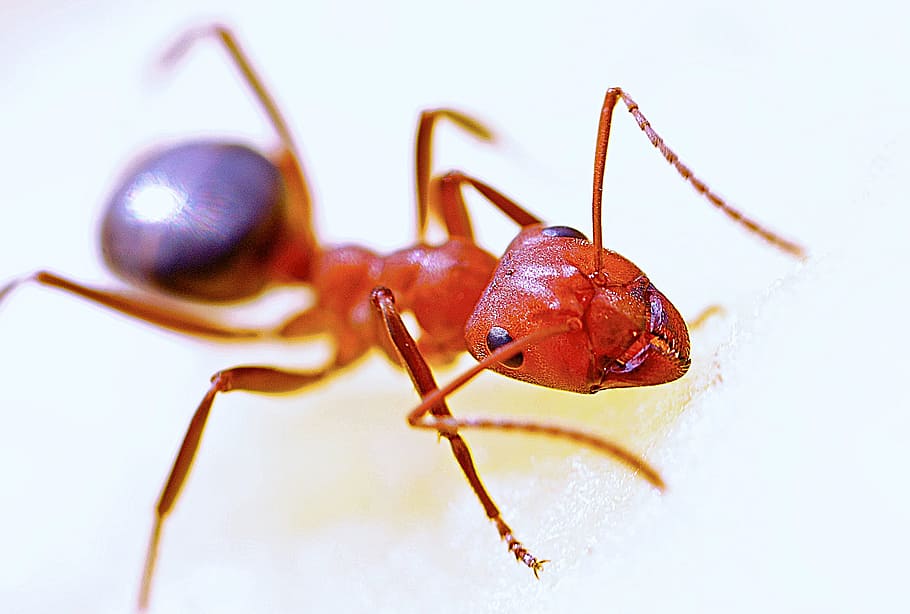
Homestead Ant Control
If you see ants in the kitchen or at an exterior opening, record the trail and the nearest food or water source. Check pantry storage, spills and gaps. A photograph and the location help identify the ant before a control choice is made.
Reports of ghost ants or fire ants need the same first step: identification. Some ant species reproduce colonies through budding, while feeding preferences also vary. Those differences matter to bait selection and to the observations used to evaluate progress.
For a yard with fruit trees or ornamental plants, remove fallen fruit and check foliage for sap-feeding insects. Their honeydew can attract ants. Trim branches touching the building and note whether a trail reaches the house. Yard activity alone does not show an indoor infestation.
Ant management can combine exclusion, sanitation and species-appropriate treatment. Before an assessment, record active locations and any products used. Use the identified pest and affected areas to define the treatment scope, and get preparation directions for that work.
Homestead Cockroach Control
Cockroaches need identification. The American cockroach is generally associated with outdoor habitats and may enter a building, while the German cockroach is often found in kitchens and bathrooms. Record the insect and the conditions at the property so the inspection can focus on the areas involved.
For a larger roach near an outside door, check screens, seals and accessible openings. Look for damp hiding places and report leaks. A bathroom sighting alone does not establish a plumbing source, and a yard sighting does not prove a colony is established indoors.
For repeated kitchen activity, record locations around appliances, cabinets and plumbing openings. Keep food sealed and remove residue. Homestead’s published recycling guidance calls for containers to be clean, empty and free of food waste; keep waste handling separate from the assessment of indoor hiding places.
In a shared building, cockroach management can require coordination among residents, the property manager and the pest professional. Shared utilities and wall spaces can complicate control. Report what is happening in your own rooms without assuming a neighboring unit caused it.
A control plan should bring identification, sanitation, exclusion and monitoring together. Before the assessment, list active rooms and disclose products already used. Follow the preparation and re-entry directions for the specific treatment. Keep a record of later activity so the plan can be reviewed against the findings.

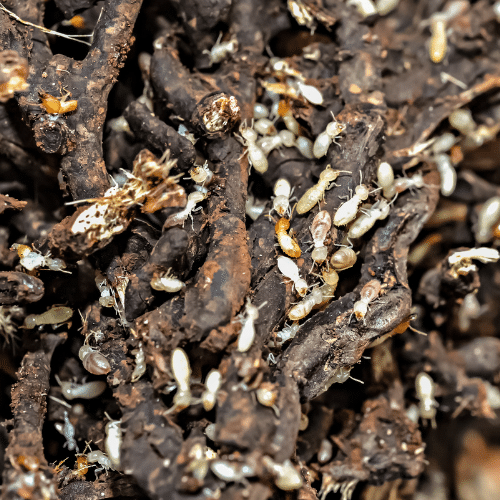
Termite Control in Homestead, FL
Winged termites found indoors may have flown in from outside; their presence by itself does not prove an infestation. Look at where the wings have collected. If they have collected in different parts of your home, arrange a proper inspection to assess a potential infestation.
The differences among subterranean termites, drywood termites and Formosan termites affect the control approach. Subterranean termites need water and establish colonies underground. Mud tubes between the ground and a structure can be a sign of activity worth inspecting.
Drywood termites can infest wood without contact with soil or water. Droppings from cabinets, windowsills or furniture can be useful inspection evidence. Identify the insect and affected wood before deciding which control approach fits the findings.
Formosan termites are a subterranean type. A species label does not establish how far an infestation extends in an individual structure. Keep photographs and a record of the actual signs so the assessment can focus on evidence at the property.
Subterranean termite management can use baits or a liquid termiticide treatment. Drywood options depend on the location and spread of colonies within wood. Inspection findings should determine the plan; do not assume a whole-home no-tent approach or a warranty applies to every case.
For the enquiry, distinguish signs in the home from an outdoor insect sighting and describe the affected item or room. Keep any earlier treatment records available. Confirm the inspection area, proposed work, follow-up and any warranty terms before agreeing to treatment.
Rodent Control in Homestead
Food sources, shelter and entry gaps can give rodents access to a home. Record droppings or nesting material where found. A fruit tree or nearby agricultural land does not establish the species, source or extent of activity inside a particular building.
A rodent assessment should connect the indoor evidence with access routes and food sources at the property. These tasks need separate attention:
- Inspection: Identify signs and affected areas, then assess the pest, activity and accessible entry routes. Record what is found so the plan can be reviewed.
- Exclusion: Check gaps and openings around the structure and choose suitable repair materials. Record the openings to be addressed and check the agreed areas for remaining gaps.
- Trapping: Discuss the trapping approach and placement for the identified pest. Identify who will monitor the proposed placements and record the findings.
- Bait Stations: If rodenticide is proposed, product labels and placement restrictions govern its use. Discuss tamper-resistant station placement and protection of children, pets and non-target wildlife.
- Sanitation: Secure food and garbage and remove accessible food sources. Have contamination assessed separately from pest removal. Do not vacuum or sweep rodent urine, droppings or nesting material.
If your yard has fruit trees, collect fallen fruit and keep pet food contained. Explain any signs in garages or stored vehicles as well as the house. Do not vacuum or sweep dry rodent waste. Cleanup precautions, contaminated material removal and repairs need a defined scope of their own.


Homestead Iguana Removal
For iguana removal, report the location and behavior you have observed: feeding, repeated visits or a suspected burrow. Green iguanas can damage vegetation and dig near infrastructure. Observe from a distance and note whether visits or burrowing recur in the same area.
If your yard has fruit trees, collect fallen fruit and do not feed iguanas or leave pet food outdoors. Protect valued plants with cages or screens where practical. Record plant damage and the places where an animal returns.
Note where burrows or plant damage occur and which areas can be accessed. Habitat changes, exclusion and animal handling need a site-specific assessment. Structural damage and repairs are separate matters; do not assume removal includes rebuilding a wall, foundation or other structure.
Captured green iguanas cannot be relocated and released elsewhere in Florida. Seek professional help if the situation cannot be managed safely. Discuss access and proposed handling before work begins, without attempting a capture to obtain a sample or close-up photograph.
Customers Choose Pest Busterzz for Homestead Pest Control
Pest Control Near Me in Homestead
Additional household pest services
Bees and wasps. We offer bee or wasp removal for homes and businesses. Describe activity near the house, a tree or a suspected nest without approaching it. A temporary honey-bee swarm differs from a colony in a cavity. Disturbing a yellow-jacket nest can provoke stings. Keep people and pets away and seek professional assessment. Confirm whether colony remains, access work or repairs are included; do not assume every job involves live relocation.
Bed bugs. Our bed bug treatment service addresses infestations in homes and businesses. A plan should identify the affected rooms and belongings and include a way to evaluate continuing activity. Avoid moving unbagged items to unaffected rooms. Use sealed bags to transport laundry. Heat-tolerant clothing and bedding can go through a household dryer on high heat for 30 minutes; keep cleaned items sealed afterward. Get the preparation instructions for the selected method before rearranging rooms or discarding furniture.
Fleas and ticks. Our flea and tick control service addresses activity at the property. Identification and the locations of pet resting areas help define the areas needing assessment. Flea eggs can fall into bedding, carpets and furniture. Vacuum those areas and dispose of debris promptly; discuss pet treatment with a veterinarian. Brown dog ticks can complete their life cycle inside a home, so a yard-only assumption can miss relevant activity.
Mosquitoes. We offer mosquito control for homes and businesses. A property assessment should identify water-holding containers; source reduction removes places where container mosquitoes develop. Empty standing water from containers and check gutters, covers, plant saucers and persistent puddles around faucets or air-conditioner units. Miami-Dade residents can request a county mosquito inspection through 311; truck spraying is not performed on request. Fix it! Homestead accepts City storm-drain issue reports. Use the appropriate public reporting channel for the location, and arrange private pest-control work separately.
Other household sightings. Photograph spiders or silverfish for identification and check clutter, screens and damp storage. Silverfish can use humid, poorly ventilated areas. For rice weevils or other pantry insects, inspect susceptible food, discard badly infested items and keep food in tightly closed containers. For persistent flies, check waste containers and screens and report where activity is concentrated.
Vehicles and animal removal
Cars, RVs, boats and yachts. Our vehicle and watercraft pest control service is available for cars, SUVs, trucks, RVs, boats and yachts. Identify the pest and affected compartments so the proposed work can be scoped to that vehicle or vessel. Remove food and crumbs and describe signs in storage, seating or accessible compartments. Rodents can nest in infrequently used vehicles; engine or air-intake contamination may also need an automotive professional. Do not vacuum rodent waste. Confirm the site, access and proposed treatment area rather than assuming a house treatment includes a stored vehicle or boat.
Dead animals. We offer dead animal removal for homes and businesses. Establish the suspected location, how the animal can be reached and the disposal route as part of the proposed scope. Odor alone does not identify the animal or its exact location. Homestead’s published HPS rules exclude dead animals from Supercans and bulky-waste pickup. Confirm a suitable disposal route instead of putting a carcass in those collections. Define retrieval, cleanup and any access repairs separately.
Commercial pest control
Property managers and retailers. We provide pest control for property managers and retail premises. For property-management pest control, gather unit and common-area sighting records, repair information and access contacts. For retail premises, identify stockrooms, incoming packaging, food and waste areas for assessment. Monitoring, sanitation and exclusion should be considered alongside any treatment, with the work boundary clearly agreed.
Food-service and healthcare premises. Our commercial pest-control services include restaurants and healthcare facilities. For restaurants, describe rodent, cockroach or fly activity and review food storage, cleaning and waste handling. For healthcare facilities, involve responsible staff in discussions about occupied areas, access and product restrictions. Agree the service boundary, site restrictions and records needed before work begins.
Contact Pest Busterzz with the property type, pest evidence and affected areas. Confirm the scope and access for the proposed work before booking.